

Global asset management is undergoing a structural regime change, one that reaches far beyond the launch of another financial instrument. Over the past decade, exchange-traded funds (ETFs) have migrated from peripheral portfolio satellite holdings into the primary plumbing of global capital allocation. The empirical scale of this shift is staggering. By the end of September 2026, global assets under management across ETFs reached approximately $23.9 trillion, up from $19.8 trillion at year-end 2025—a growth surge exceeding 20% within nine months. Even more telling is flow velocity: net cumulative inflows from the start of 2026 hit a record $2.24 trillion, outpacing the $1.54 trillion recorded across all of 2025.
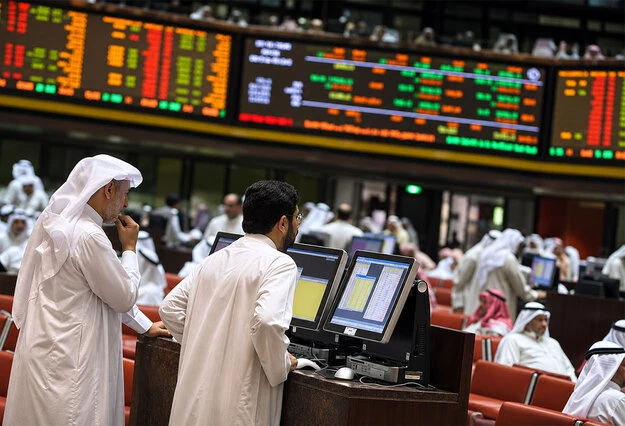
Nowhere is this structural inflection more consequential than across the Gulf Cooperation Council (GCC), particularly within the United Arab Emirates and Saudi Arabia. Regional bourses are steadily outgrowing an older paradigm dominated by retail stock-picking and single-name concentration. In its place, an institutionalized architecture is emerging—multi-asset, sector- diversified, and globally interconnected.
From Concentrated Stock-Picking to Institutional Market Depth
For decades, the typical Gulf retail investor constructed a portfolio by acquiring five to ten domestic equities directly. That approach concentrates idiosyncratic risk, leaving capital exposed to single-company earnings misses, operational disruptions, governance shifts, and narrow sector cyclicality. An ETF collapses that friction into a single tradeable vehicle, bundling dozens of equities, sovereign or corporate bonds, sukuk, or entire foreign indices into one intraday transaction.
Regional exchange data confirms that Gulf capital allocation is already pivoting toward this model. On the Abu Dhabi Securities Exchange (ADX), aggregate ETF market capitalization climbed to roughly AED 24.3 billion during the first half of 2026, representing an extraordinary year-on-year expansion of 1,459%. Secondary-market turnover followed suit: ETF trading value rose 166% to AED 203 million, while traded volume jumped 167% and executed transaction counts rose 168%. By early November 2026, ADX's roster had expanded to 26 listed ETFs, including newly admitted funds granting domestic investors direct exposure to South Korean technology, advanced manufacturing, and defense equities.
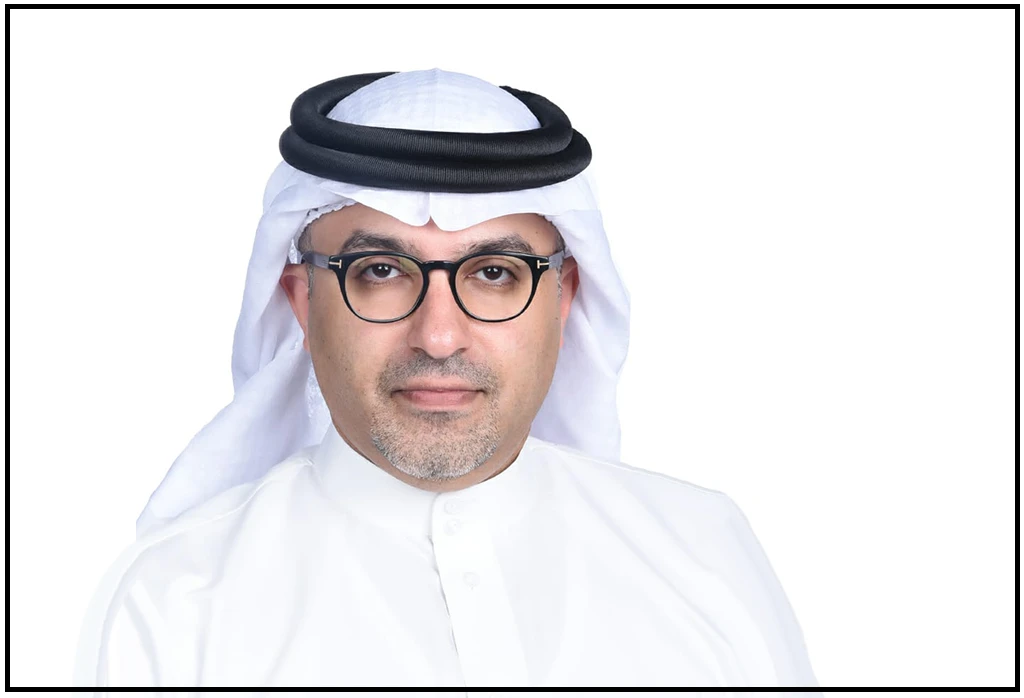
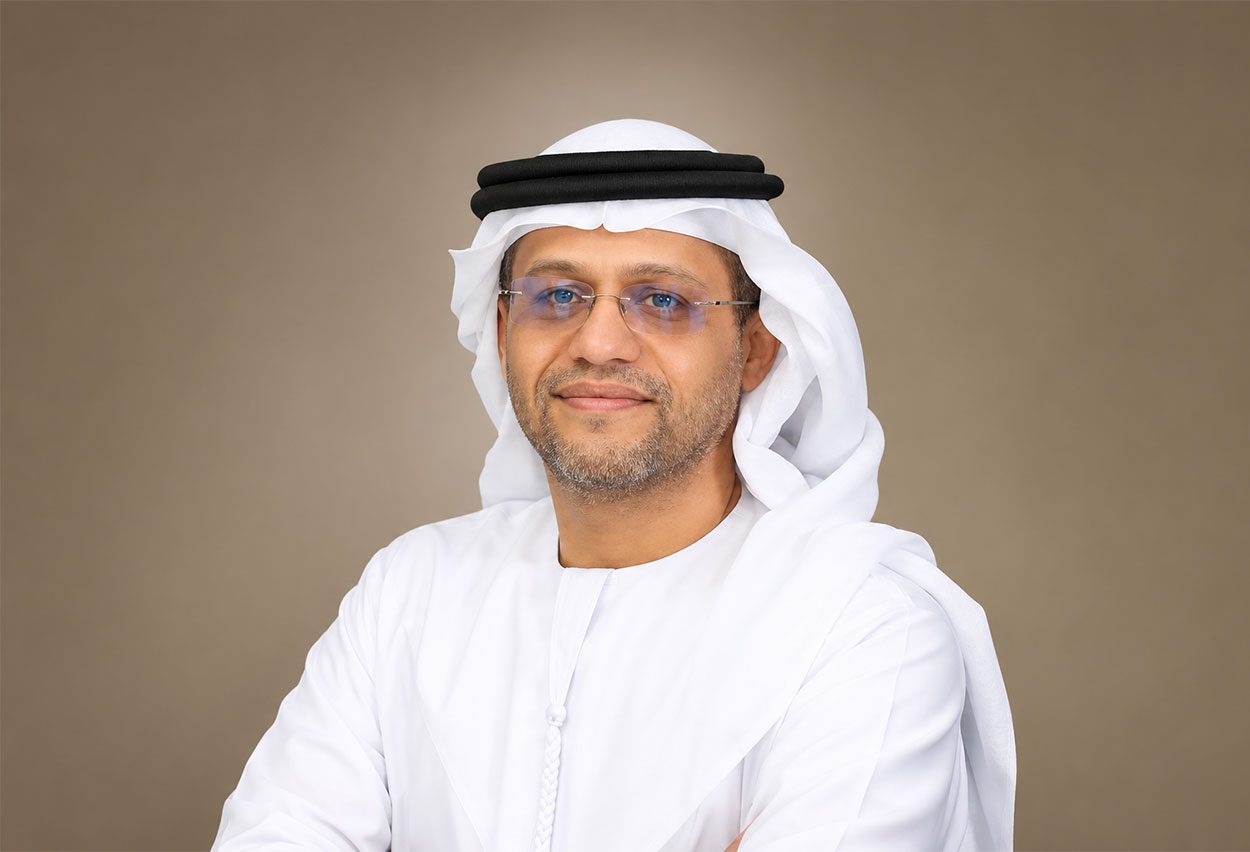
Much of this momentum reflects decisive execution by the ADX Group CEO, Abdulla Salem Al-Nuaimi, whose push to broaden cross-border listings, modernize trading infrastructure, and onboard international liquidity
providers has transformed the exchange into a multi-asset regional hub.
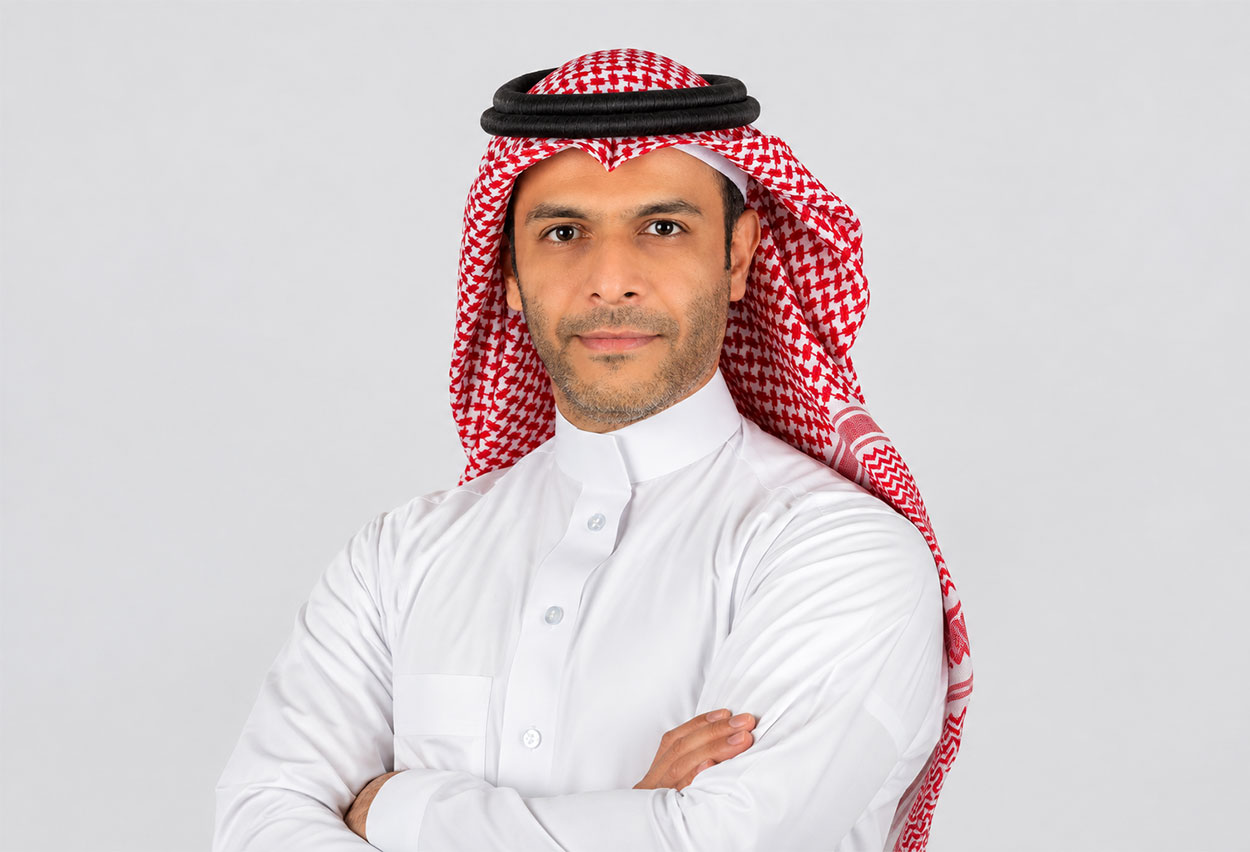
Parallel momentum is visible on the Saudi Exchange, which continues to flourish as the Middle East’s deepest equity venue. During the first quarter of 2026 alone, ETF turnover on the Saudi market reached SAR 846.7 million across more than 141,000 transactions. Put into perspective, full-year 2025 ETF turnover stood at SAR 1.19 billion—meaning a single quarter in 2026 captured over 70% of the entire prior year's volume. Under the leadership of Chief Executive Officer Mohammed Al-Rumaih, the Saudi Exchange has systematically upgraded its market microstructure, expanded derivative and index-linked product suites, and strengthened institutional onboarding frameworks. Those executive reforms have created fertile ground for passive and rules-based investment vehicles to scale rapidly alongside Tadawul’s broader capital market deepening.
Economically, the primary dividend of ETF proliferation lies in liquidity dispersion. Rather than allowing capital inflows to bottleneck inside a handful of mega-cap blue chips, index-tracking vehicles distribute buying pressure across dozens of underlying constituents simultaneously. Market depth widens, price discovery becomes sharper, and marginal capital is allocated with far greater efficiency.
Mean-Variance Efficiency and the Reality of Risk-Adjusted Returns
Compared with direct single-stock ownership, the structural advantages of ETFs rest on four pillars:
1. Immediate Diversification: Holding an individual equity exposes a portfolio to unsystematic, firm-specific variance. Bundling 20, 30, or 100 companies inside a single basket dampens the portfolio impact of any single corporate shock.
2. Execution and Cost Efficiency: Rather than paying cumulative brokerage commissions and managing manual rebalancing across dozens of tickers, investors gain targeted beta exposure through one intraday instrument. Both Abu Dhabi and Dubai exchanges explicitly emphasize low relative expense ratios, frictionless market access, and operational simplicity as core value drivers for these listings.
3. Cross-Border and Cross-Asset Reach: Gulf-based investors can now allocate capital to U.S., Chinese, Indian, and South Korean equities—as well as global sukuk, fixed income, physical gold, artificial intelligence, and quantum computing—without opening foreign brokerage accounts or navigating cross-border custody hurdles.
4. Portfolio Transparency: Daily disclosure of benchmark methodology, underlying constituent weights, net asset value (NAV), and total expense ratios gives investors clear visibility into what they own.
From a rigorous financial-economics standpoint, however, one distinction must remain unambiguous: an ETF does not guarantee higher nominal returns than an individual stock. A concentrated single-stock bet can outperform dramatically when an idiosyncratic thesis plays out, albeit at the cost of severe tail risk. By design, an index ETF seeks to replicate its benchmark’s performance minus management fees and tracking error. Its true edge is superior risk-adjusted return—delivering cleaner mean-variance optimization rather than speculative alpha.
Market Microstructure, Arbitrage Corridors, and Liquidity Engineering
An ETF’s commercial viability depends less on the appeal of its underlying index than on the market microstructure engineered around it. At the center of that architecture sits the market maker, continuously quoting two-sided bid and ask prices throughout the trading session. Narrowing the bid-ask spread directly reduces implicit transaction costs, a prerequisite before large institutional allocators will commit serious capital.
Equally critical is the primary-market creation and redemption mechanism. When secondary- market demand pushes an ETF's trading price above its intraday NAV, authorized participants (APs) acquire the underlying basket of securities, deliver them to the fund issuer, and receive newly created ETF units to sell into the market. When excess supply depresses the share price below NAV, APs reverse the trade, redeeming ETF shares for the underlying assets. This continuous arbitrage corridor keeps market prices tethered tightly to intrinsic asset values.
Consequently, true ETF liquidity is never measured solely by visible on-screen volume; it is a function of underlying constituent liquidity and the operational agility of market makers and APs.
Gulf exchanges have made deliberate regulatory strides to fortify this plumbing. On ADX, market-maker participation climbed to roughly 15% of total market trading value during H1 2026, marking a three-percentage-point increase year-on-year. Furthermore, starting in August 2026, ADX eliminated daily price limits on listed ETFs and futures contracts—a pivotal microstructure reform championed at the executive level to prevent artificial pricing
dislocations and ensure uninterrupted liquidity provision during global market volatility.
Building this institutional infrastructure is essential if the Gulf is to operate as an origination center for ETFs rather than merely a passive listing venue.
Magnet for Foreign Institutional Capital
Global institutional allocators rarely evaluate emerging markets on return potential alone. Their investment committees scrutinize entry and exit friction, regulatory predictability, post-trade clearing, and custodial reliability. Well-structured ETFs solve several of these operational bottlenecks simultaneously. Instead of deploying research teams to underwrite twenty separate Gulf equities and execute fragmented local orders, a foreign asset manager can capture broad regional or sectoral exposure in a single trade, compressing informational and operational overhead.
Empirical evidence from Abu Dhabi illustrates this gateway effect. When ADX hosted the pre- listing subscription window for a U.S. Sharia-compliant ETF ahead of its dual listing in April 2026, participating capital arrived from more than 46 nationalities. Meanwhile, institutional investors accounted for approximately 78% of ADX’s total trading value in the first half of 2026.
As cross-border dual listings multiply, Gulf exchanges are transitioning from destinations seeking foreign inflows into regional distribution hubs for global investment products—a strategic leap in capital-market maturity.
Thematic Frontier: Quantum Computing, AI Infrastructure, and Luxury
Beyond first-generation index funds tracking headline national benchmarks, Gulf investors are increasingly embracing thematic ETFs designed to capture multi-year structural transformations. ADX’s current lineup offers concrete illustrations of how local capital is accessing frontier global sectors:
Quantum Computing: The QUANTM ETF tracks global leaders advancing quantum hardware and software ecosystems, including Alphabet, Amazon, and IBM. According to H1 2026 fund data, QUANTM delivered a six-month return of roughly 39.6% against 40.1% for its reference benchmark—demonstrating tight tracking fidelity across a complex technology theme, even as historical performance offers no guarantee of future yields.
Artificial Intelligence Infrastructure: Products such as AIPOWR target the physical backbone enabling AI adoption, spanning hyperscale data centers and power generation, alongside AGIX, which focuses on core AI software and semiconductor innovators.
Global Luxury Goods: The LUXURY ETF aggregates approximately 31 premier consumer houses—among them LVMH, Richemont, Hermès, L’Oréal, and Ferrari—into a single locally traded ticker.
These vehicles allow Gulf investors to participate in global technological disruption and high-margin consumer wealth through regulated domestic accounts. Yet thematic concentration carries distinct risk: diversifying across thirty companies within a single niche reduces firm-specific exposure, but leaves investors fully exposed to sector-wide valuation compression and macro sensitivity.
Structural Bottlenecks and the Road Ahead
Sustaining this growth trajectory requires confronting four persistent hurdles:
Retail Investment Culture: A large cohort of individual Gulf investors still equates market success with rapid, short-term price spikes in single stocks, whereas ETF investing relies on disciplined compounding and risk management.
Secondary Liquidity Depth: Listing thirty or fifty new funds achieves little if wide bid-ask spreads and thin order books deter institutional ticket sizes.
Product Breadth: The region still needs deeper shelves across domestic GCC equities, regional sukuk, dividend-income strategies, granular sectors, and specialized fixed-
income exposures.
Cost and Risk Literacy: Not every ETF is defensive, nor is every thematic fund suitable for core portfolios. Retail participants must evaluate expense ratios, NAV premiums or discounts, index concentration rules, and foreign-exchange exposure before allocating capital.
Addressing these gaps demands coordinated action across exchanges, asset managers, commercial banks, brokerages, and financial media. With global ETF assets surpassing $23 trillion and trading velocity accelerating across both Abu Dhabi and Riyadh, the Gulf stands at the threshold of a new capital-markets era. If regional bourses continue pairing competitive fee structures and cross-border listings with agile market-making and investor education, the GCC will evolve from a consumer of global financial products into a premier international hub for ETF origination, liquidity engineering, and cross-border capital allocation.