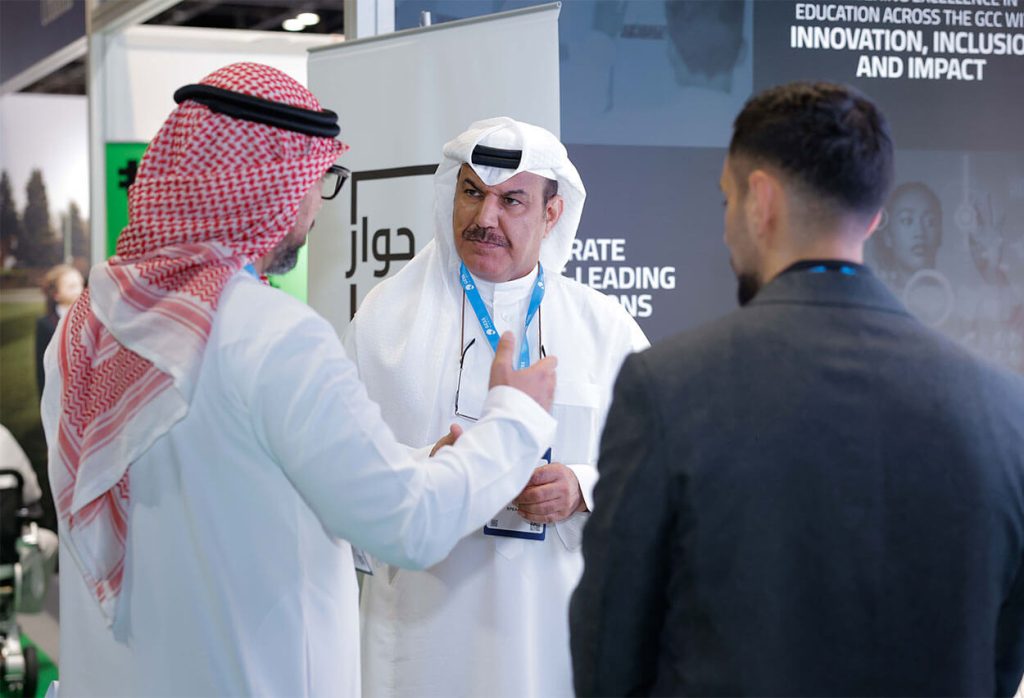
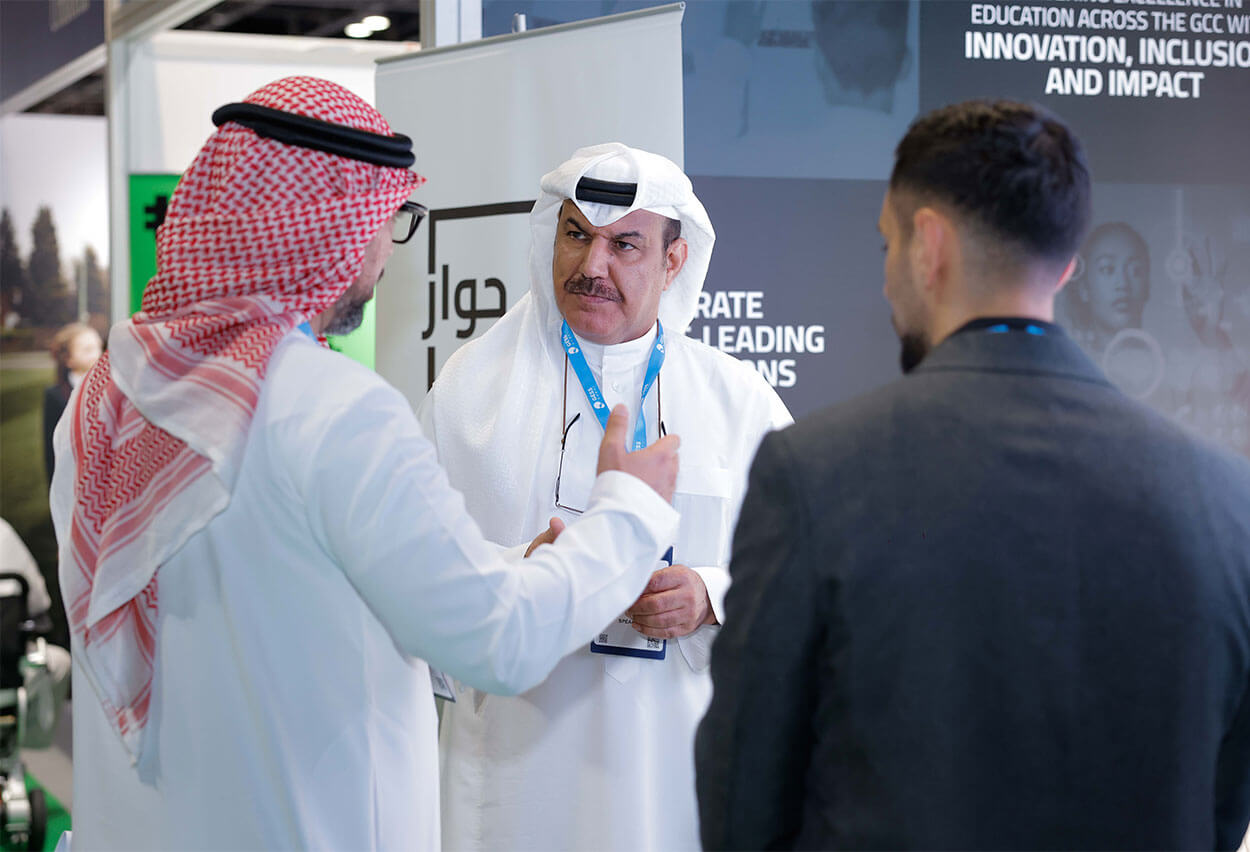


Education Investment MENA 2026 brought operators, investors, founders, and regulators to Dubai World Trade Centre this month, and one message from the stage was blunt. Nobody gets to own the future of learning alone. Majed Al Mutairi, chief executive of Almasar Alshamil Education, made that case to the investors and operators in the room.
The conference ran alongside GESS Dubai 2026. Its programme covered private schooling from early years through lifelong learning, with digital transformation and cross-border investment high on the agenda. Panels kept coming back to one question. How should established providers, tech companies and young education businesses work together, and where will they compete?
If you are a parent, a student or an investor, the answer affects who builds the next classroom, who sets the fees and who answers when quality slips.
What Education Investment MENA 2026 asked about the future of learning
Al Mutairi rejected the idea of a single winner. “The question is not whether technology companies, traditional educators or entrepreneurs will own the future of learning. Each brings something different,” he said.
He then split the roles. In his view, technology widens access, tailors lessons and lowers cost. Established institutions carry quality assurance, expertise and public trust. Entrepreneurs challenge old models and move faster. The strongest systems, he said, pull these strengths together around the learner.
His view comes from a company with a foot in several camps. Almasar is the largest private provider of special needs education in Saudi Arabia and one of the UAE’s leading private university operators. It runs the Human Development Company (HDC) in the Kingdom. In the UAE, it owns Middlesex University Dubai and NEMA Holding, which operates Abu Dhabi University and Liwa University.
AI in education needs a human owner
The sharper point came on technology. AI in education is spreading across Gulf schools and universities, and Al Mutairi welcomed it with a condition attached. He said AI and newer tools can personalize the student experience and flag learners who need extra help. They can also support assessment and quality checks.
“Accountability for academic standards stays with people,” he said, “and innovation ultimately needs to be judged by whether it improves outcomes for learners.”
Here is the rule, and here is the ripple. If a university adopts an AI grading assistant, the institution still owns the grade. Students keep a person they can appeal to. Regulators keep a clear line of responsibility. And edtech founders pitching at Education Investment MENA 2026 heard a clear signal: outcome data is likely to carry more weight than feature lists.
Almasar’s numbers behind the message
The CEO spoke a day after Almasar released its Q3 2026 financial results. Students and beneficiaries rose 21% year on year to 28,900 for the 2025/26 academic year. Revenue also climbed 21%, reaching SAR 405.5 million.
Enrollment grew at all three businesses. Middlesex University Dubai reached 7,200 students, up 16%. HDC hit 7,700, up 19%. NEMA Holding posted the fastest gain with 14,000 students, a 24% rise. The group’s daycare network for special needs education and care expanded to 50 centers from 44 a year earlier.
Those figures point to steady demand in two segments with direct household impact. One is special needs education in Saudi Arabia, where each new center adds places for children and their families. The other is higher education in the UAE, where more seats give school leavers more options close to home.
Where private education investment goes next
Sessions at the event also looked at where capital should flow as Gulf economies diversify and employers ask for new skills. For Almasar, private education investment spans the full learner journey, from specialist care to university and into neighbouring segments.
“Investment in education requires a long-term perspective,” Al Mutairi said. He argued the best opportunities meet real demand while lifting quality, relevance and access. As regional economies change, he added, providers carry a duty to give learners practical knowledge and the ability to adapt.
The group is weighing organic growth, strategic partnerships and moves into complementary education segments across Saudi Arabia and the UAE. Al Mutairi called cooperation between educators, investors, innovators and policymakers “critical” to building more inclusive and responsive education systems.
For investors, the message from Education Investment MENA 2026 works as a filter. Patient capital, measurable outcomes, and partnerships between incumbents and startups look like the path operators want. Families could see more choice as a result, with institutions still on the hook for the standards behind every certificate.