


China’s electric vehicle industry has evolved into the most powerful force shaping the global automotive landscape. What began as a state-supported industrial push has transformed into a hyper-competitive ecosystem where scale, speed, and cost efficiency redefine market leadership. Today, Chinese manufacturers are not only dominating domestic sales but actively compressing global EV pricing structures through aggressive innovation and vertical integration. From ultra-low-cost urban vehicles to advanced premium electric SUVs, the spectrum of offerings reflects a manufacturing system optimized for mass adoption. As Western automakers struggle to match cost and production velocity, China is setting the benchmark for the next decade of mobility. Now, let’s look at some data and insights about the most powerful Chinese EVs so far, Chinese EVs, and why they are so competitive, and what their best-selling cars are.
China is the dominant global EV market, accounting for ~60% of global EV sales and >45% domestic penetration.
- Annual EV sales: ~10–12M units (run-rate)
- Market structure: hyper-competitive, price-compressed, vertically integrated
- Leader: BYD (volume + cost leadership)
- Strategic reality: China is exporting deflation to global auto markets
Estimated Impact: Extreme—China will define global EV pricing and margins
Confidence Level: High (multi-source consistency)
MARKET SIZE & CAPITALIZATION
Market Scale
- ~1.49M EVs sold monthly (May 2026 snapshot)
- ~63% EV penetration rate (China leads globally)
Aggregate Market Cap (Top Chinese EV Players)
| Company | Market Cap (USD) |
|---|---|
| BYD | ~$125B |
| Xiaomi | ~$118B |
| XPeng | ~$19B |
| Li Auto | ~$16.9B |
| NIO | ~$12B |
Total (Top 5): ~$290B–$320B EV exposure.
NOW LET’S SEE THE TOP 5 CHINESE EV COMPANIES
BYD (Market Leader)
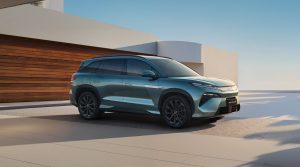
Overview
- #1 EV company globally by volume
- 3.48M EVs sold in China alone (2025)
Best-Selling Models
- BYD Seagull: ~$10,000–$12,000
- BYD Dolphin: ~$16,000–$20,000
- BYD Atto 3: ~$20,000–$30,000
Pros
- Full vertical integration (battery → chip → assembly)
- Lowest cost structure globally
- Massive scale advantage
Cons
- Lower premium perception vs Western brands
- Margin pressure due to price wars
Estimated Impact: Dominant global disruptor
Confidence: Very High
Geely (incl. Zeekr)
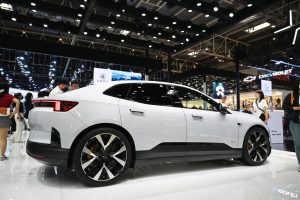
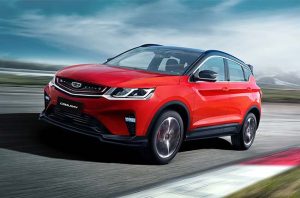
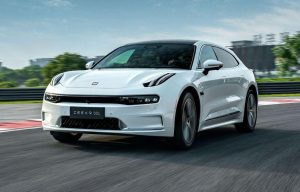
Overview
- #2 in China EV market (~11% share)
Best-Selling Models
- Zeekr 001: ~$40,000–$50,000
- Geely Galaxy L7: ~$20,000–$30,000
Pros
- Strong global portfolio (Volvo, Polestar)
- Premium + mass-market diversification
Cons
- Brand fragmentation
- Less cost-efficient than BYD
Estimated Impact: Strong #2 with global leverage
Confidence: High
NIO (Premium Segment)
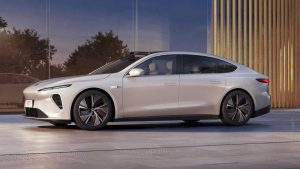
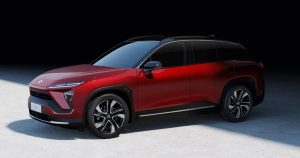
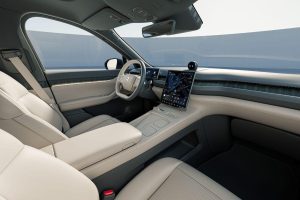
Overview
- Premium EV positioning (China’s Tesla competitor)
Best-Selling Models
- NIO ES6: ~$45,000–$60,000
- NIO ET5: ~$40,000–$55,000
Pros
- Battery swapping infrastructure (unique moat)
- Strong brand in premium segment
Cons
- High burn rate
- Profitability issues
Estimated Impact: Niche premium player
Confidence: Medium-High
XPeng (Tech-Focused)
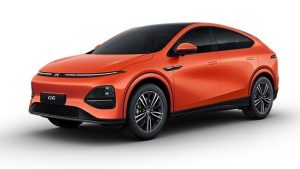
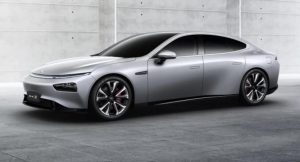
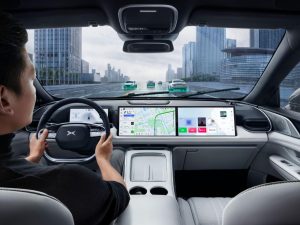
Overview
- Known for autonomous driving tech
Best-Selling Models
- XPeng G6: ~$25,000–$35,000
- XPeng Mona M03: ~$16,500
Pros
- Strong software + AI positioning
- Competitive pricing
Cons
- Weak brand vs BYD/NIO
- Volatile demand
Estimated Impact: Tech upside, uncertain scale
Confidence: Medium
Li Auto (Hybrid-Dominant)
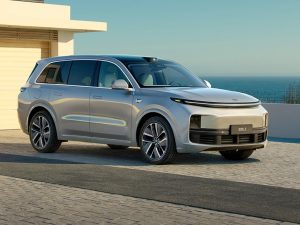
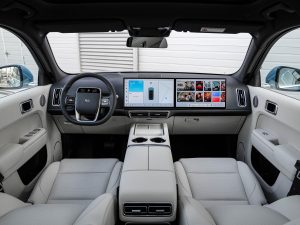
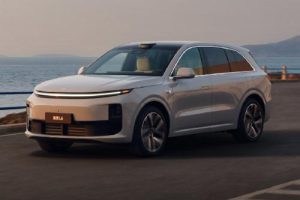
Overview
- Focus on EREV (range-extended EVs)
Best-Selling Models
- Li L6: ~$34,500
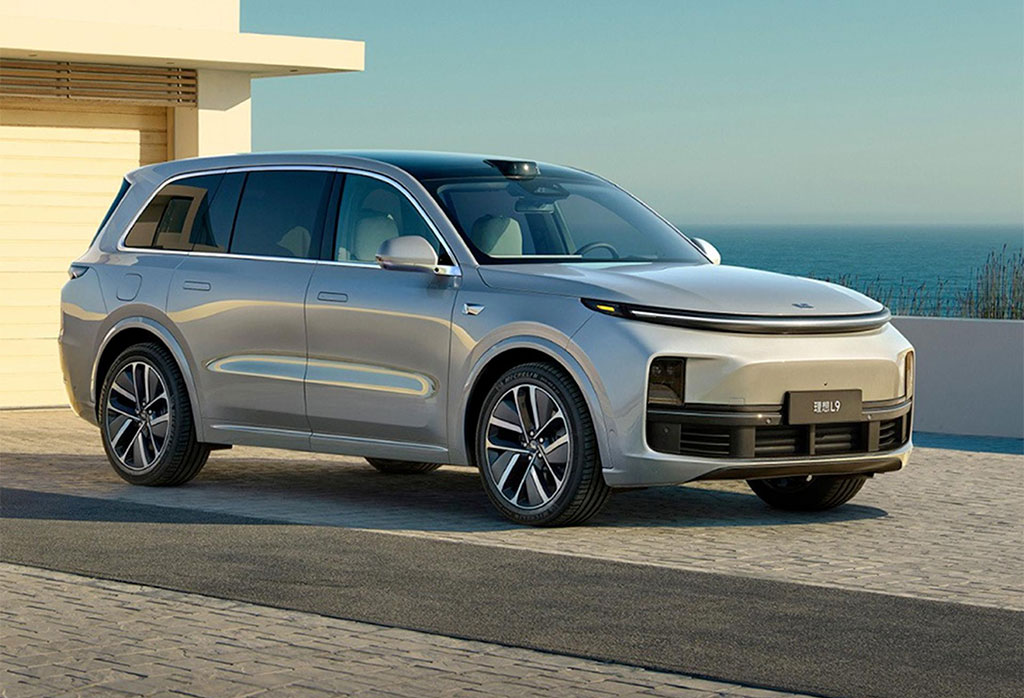
- Li L7/L8/L9: ~$40,000–$60,000
Pros
- Solves range anxiety (hybrid approach)
- Strong family SUV positioning
Cons
- Declining sales momentum
- Less future-proof vs pure EVs
Estimated Impact: Transitional player
Confidence: Medium
BEST-SELLING EVs IN CHINA (MARKET LEVEL)
Top mass-market winners:
- BYD Seagull — dominant low-cost urban EV
- Wuling Mini EV — ultra-cheap segment leader
- BYD Qin / Song series — high-volume mid-tier
- Tesla Model Y (China) — premium benchmark
Insight: China’s volume is driven by $10K–$25K vehicles, unlike Western markets.
Chinese EVs are competitive because the entire system is engineered for it. Companies like BYD build their own batteries, chips, and powertrains in-house, stripping out the supplier margins that inflate Western prices. Scale does the rest. Multi-million unit production spreads fixed costs across enormous volume, driving per-car expense down.
The deeper advantage sits in the battery supply chain, which China dominates end to end, from lithium and refining to cell manufacturing. Layer on government policy that aligns subsidies, infrastructure, and regulation to accelerate adoption, plus lower labor costs and faster iteration cycles, and the gap widens further.
Then there is the price war. Domestic hyper-competition compresses margins to the bone, forcing efficiency Western automakers rarely face.
The result is structural, not temporary. China optimizes for volume dominance over margin maximization, producing a durable cost advantage of roughly 20 to 40 percent versus the West. Confidence in that read is very high.
UAE MARKET (200-WORD STRATEGIC OVERVIEW)
The UAE EV market is in an early but accelerating adoption phase, driven by government sustainability targets and a rising fuel diversification strategy. Chinese EV brands are gaining traction due to a combination of aggressive pricing, fast availability, and feature-rich vehicles compared to European imports. Brands like BYD, MG (SAIC), and Geely are expanding distribution networks through local partnerships, targeting mid-income consumers priced out of Tesla and premium German EVs.
Infrastructure remains a constraint but is improving, with Abu Dhabi and Dubai investing in charging networks aligned with UAE Net Zero 2050 goals. Chinese EVs benefit from shorter delivery cycles and lower landed costs, making them highly competitive in fleet, ride-hailing, and government procurement segments.
Consumer perception is shifting from skepticism to value-driven acceptance, especially as build quality improves. The UAE acts as a strategic gateway market for Chinese OEMs to expand into the Middle East and Africa, where price sensitivity is higher.
Key dynamic: Chinese brands are not competing on prestige but on price-performance ratio, which aligns strongly with UAE demand outside luxury segments.
Estimated Impact: High growth, but not yet dominant
Confidence: Medium-High
REVENUE LEVERS (STRATEGIC TAKEAWAYS)
| Lever | Action | Impact | Confidence |
|---|---|---|---|
| Distribution Arbitrage | Import Chinese EVs into underpenetrated markets (MENA, Africa) | Very High | High |
| Fleet Sales | Target ride-hailing/logistics fleets with low-cost EVs | High | High |
| Charging Infrastructure | Invest alongside EV distribution | High | Medium |
| Brand Positioning | Focus on value, not premium | High | High |
| After-Sales Ecosystem | Build servicing + parts network | High | Medium |
China’s EV sector is structurally advantaged and globally expansionary. The dominant strategy is not innovation alone, but cost destruction at scale, which Western OEMs are currently unable to match. It will remain an open game on how the rest of the global markets will compete with the Chinese manufacturers, but so far the race has a clear leader ahead. The race is long and can always have unexpected models that will rearrange the list. One thing is obvious, and that is the fact that the end user will always win because, as customers, we have the final vote with our wallets.