• bitcoinBitcoin (BTC) $ 42,977.00 0.18%
  • ethereumEthereum (ETH) $ 2,365.53 1.12%
  • tetherTether (USDT) $ 1.00 0.2%
  • bnbBNB (BNB) $ 302.66 0.19%
  • solanaSolana (SOL) $ 95.44 1.28%
  • xrpXRP (XRP) $ 0.501444 0.1%
  • usd-coinUSDC (USDC) $ 0.996294 0.34%
  • staked-etherLido Staked Ether (STETH) $ 2,367.26 1.4%
  • cardanoCardano (ADA) $ 0.481226 2.68%
  • avalanche-2Avalanche (AVAX) $ 34.37 1.19%
  • bitcoinBitcoin (BTC) $ 42,977.00 0.18%
    ethereumEthereum (ETH) $ 2,365.53 1.12%
    tetherTether (USDT) $ 1.00 0.2%
    bnbBNB (BNB) $ 302.66 0.19%
    solanaSolana (SOL) $ 95.44 1.28%
    xrpXRP (XRP) $ 0.501444 0.1%
    usd-coinUSDC (USDC) $ 0.996294 0.34%
    staked-etherLido Staked Ether (STETH) $ 2,367.26 1.4%
    cardanoCardano (ADA) $ 0.481226 2.68%
    avalanche-2Avalanche (AVAX) $ 34.37 1.19%
image-alt-1BTC Dominance: 58.93%
image-alt-2 ETH Dominance: 12.89%
image-alt-3 BTC/ETH Ratio: 26.62%
image-alt-4 Total Market Cap 24h: $2.51T
image-alt-5Volume 24h: $144.96B
image-alt-6 ETH Gas Price: 5.1 Gwei
 

MORE FROM SPONSORED

LIVE Web3 News


ARTICLE INFORMATION

Core services for a potential digital euro

Core services for a potential digital euro chosen by the European Central Bank

Salma Al-Tamimi

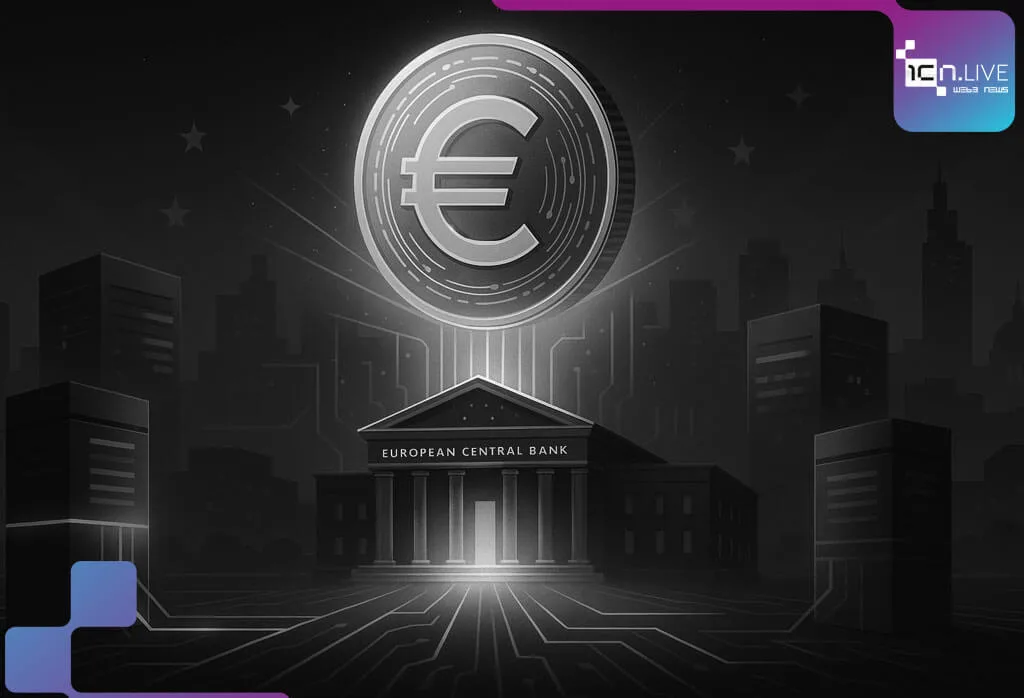
Core services for a potential digital euro are now in focus after the European Central Bank (ECB) selected technology providers to handle critical parts of the project. This marks a significant step toward a possible central bank digital currency in Europe.

Key Points

  • The ECB signed agreements with multiple firms to provide essential digital euro services.

  • Core areas include fraud and risk management, app development, offline payments, and secure exchange of payment information.

  • Providers include Feedzai, Capgemini Deutschland, Almaviva, Fabrick, and Giesecke+Devrient.

  • A decision on launching the digital euro depends on EU legislation and future approval by the ECB Governing Council.


Building blocks of a digital euro

The European Central Bank (ECB) has moved forward with preparations by signing framework agreements with technology providers. These agreements cover services such as fraud and risk management, app development, offline payments, and secure exchange of payment information. Each of these areas is seen as vital to the design of a secure and practical digital euro.

Among the confirmed providers are Feedzai and Capgemini Deutschland, both focused on fraud and risk management. Almaviva and Fabrick were tasked with app development and related services. Giesecke+Devrient will handle offline payments, while EquensWorldline and Senacor FCS will provide secure exchange of payment information.

ECB sets framework with technology providers for digital euro

The selection of technology providers shows how carefully the ECB is planning each step. From my standpoint, this signals how important the project has become for Europe’s financial system. By dividing responsibilities across specialized firms, the ECB aims to ensure that no single weakness undermines the entire system.

Service requests will go to a primary provider first, with a backup available if needed. This redundancy is designed to protect stability and performance. Safeguards have also been built in, giving the ECB flexibility to adapt if legislation changes.


ANOTHER MUST-READ ON ICN.LIVE:

OpenAI has become the world’s largest startup with $500B valuation surpassing SpaceX


Core services for a potential digital euro need trusted providers

The European Union is still debating the Digital Euro Regulation. Until that regulation is approved, no digital euro can be issued. The ECB has stressed that the current agreements involve no payments yet, and work will only advance once legislation is finalized.

This careful staging shows that while progress is visible, the future of a digital euro is tied to political approval. Development of actual components depends on decisions by the ECB Governing Council.

If approved, the digital euro will coexist with cash. Its main goal is to make payments faster, safer, and less dependent on private stablecoins. In practice, this could mean instant transactions within the euro area, improved fraud and risk management, and secure payment information exchanges backed by the central bank.

EU legislation is key to the digital euro timeline

Offline payments are also a major focus. They could allow users to transfer digital euro even without an internet connection. Giesecke+Devrient is developing this part, which may be especially useful in areas with weak connectivity.

Even if all approvals go smoothly, a digital euro may not launch until late in the decade. The ECB is building the foundation, but a final decision depends on lawmakers. If adopted, Europe would join other regions exploring central bank digital currencies, strengthening its control over digital money and payments.


SHARE

What are the core services for a potential digital euro?

The core services for a potential digital euro cover several critical functions. These include fraud and risk management, app development, offline payments, and secure exchange of payment information. The European Central Bank (ECB) has chosen firms to provide each of these services. For example, Feedzai and Capgemini Deutschland were selected for fraud and risk management, while Almaviva and Fabrick will focus on app development. Giesecke+Devrient will work on offline payments, and EquensWorldline along with Senacor FCS will handle secure information exchange. These services together build the technical foundation for the project, ensuring that if the digital euro is approved, it will be both secure and practical.

When will the digital euro launch?

A launch timeline has not been confirmed. The ECB has made clear that no digital euro can be issued until the European Union approves the Digital Euro Regulation. This legislation is still under debate, so the future is uncertain. Development of actual components will depend on approval from the ECB Governing Council. Even with progress made on selecting providers, the digital euro is unlikely to be available until the end of this decade. The ECB is moving carefully to balance speed with regulatory and political requirements, so the process will take time.

Why is the ECB considering a digital euro?

The ECB is considering a digital euro to improve efficiency in payments and reduce reliance on private stablecoins. Today, many users rely on private digital payment platforms or cryptocurrencies. A digital euro would provide an official, central bank-backed alternative, available across the eurozone. It would coexist with cash, not replace it. The ECB hopes this will increase trust, strengthen resilience in the financial system, and ensure that European payments remain under European control. By adding features such as offline payments, the project also aims to support practical use in everyday situations.

How will offline payments work with the digital euro?

Offline payments are a key feature under development. The goal is to allow users to send and receive digital euro without needing an internet connection. Giesecke+Devrient, a firm with long experience in secure payments, is leading this area. Offline payments would use secure chips and encryption to make sure that transactions are valid and cannot be duplicated. This feature is especially important for regions with limited connectivity or during network outages. While details are still being refined, the inclusion of offline payments shows the ECB’s focus on making the digital euro practical and reliable in daily life.

FEATURED

EVENTS

Days
Hr
Min
Sec
 

ICN TALKS EPISODES