
The global geography of entrepreneurship is changing. For decades, the startup economy was associated predominantly with a handful of innovation centers—Silicon Valley, London, New York, Singapore and, increasingly, several Asian technology clusters. Today, the United Arab Emirates is constructing a different model: an entrepreneurial economy in which government policy, private capital, sovereign investment, regulation, infrastructure and market access operate as an integrated growth architecture.
This transformation is particularly visible in Dubai and Abu Dhabi. The two emirates are not competing versions of the same entrepreneurial model; rather, they increasingly provide complementary advantages. Dubai offers global connectivity, commercial density, international trade, consumer-market access, and a rapidly expanding digital economy. Abu Dhabi adds deep pools of institutional capital, advanced technology infrastructure, specialized innovation clusters, and increasingly sophisticated pathways for research-intensive businesses.
The economic importance of this ecosystem is substantial. SMEs and startups represent more than 95% of companies operating in the UAE and contribute more than 63% of national non-oil GDP. By September 2025, the UAE hosted more than 1.2 million companies, around one million of which were entrepreneur-owned, while the national ambition is to exceed two million companies by 2031.
International benchmarks reinforce the progress. The UAE ranked first globally for the fifth consecutive year in the Global Entrepreneurship Monitor 2025/26, while ranking first among high-income economies in several pillars including government support, taxation and bureaucracy, entrepreneurship programs, market-entry conditions and infrastructure.
These are not simply entrepreneurship statistics. They indicate a structural economic transition in which startups are becoming instruments of productivity growth, economic diversification, technology diffusion, private-sector employment and foreign direct investment.
D33: Moving Entrepreneurship from Policy Support to Economic Architecture
At the Centre of Dubai’s transformation is the Dubai Economic Agenda D33, launched by His Highness Sheikh Mohammed bin Rashid Al Maktoum.
D33 seeks to double the size of Dubai’s economy by 2033 and consolidate its position among the world’s top three economic cities. Its targets include approximately AED32 trillion in cumulative economic activity, AED25.6 trillion in foreign trade over the decade, AED650 billion in foreign direct investment, and an average AED100 billion annually in new economic value generated through digital transformation.
Entrepreneurship is therefore not positioned at the periphery of D33. It is embedded within its economic operating model.
The agenda includes programs to support 30 companies in new-economy sectors to develop into global unicorns, identify and develop 400 high-potential SMEs, deepen private-sector investment and strengthen Dubai as a headquarters location for multinational companies, SMEs and innovative enterprises.
This represents an important change in development economics. The objective is no longer simply to increase the number of business licenses issued. The more sophisticated objective is to improve the quality, productivity, scalability, and internationalization of enterprises.
A successful entrepreneurial ecosystem must therefore move companies through an economic pipeline: from idea generation to incorporation, from incorporation to market validation, from validation to financing, and from financing to international expansion.
Dubai is increasingly building precisely such a pipeline.
H.H. Sheikh Hamdan Creating a Gravitational Centre for Entrepreneurs
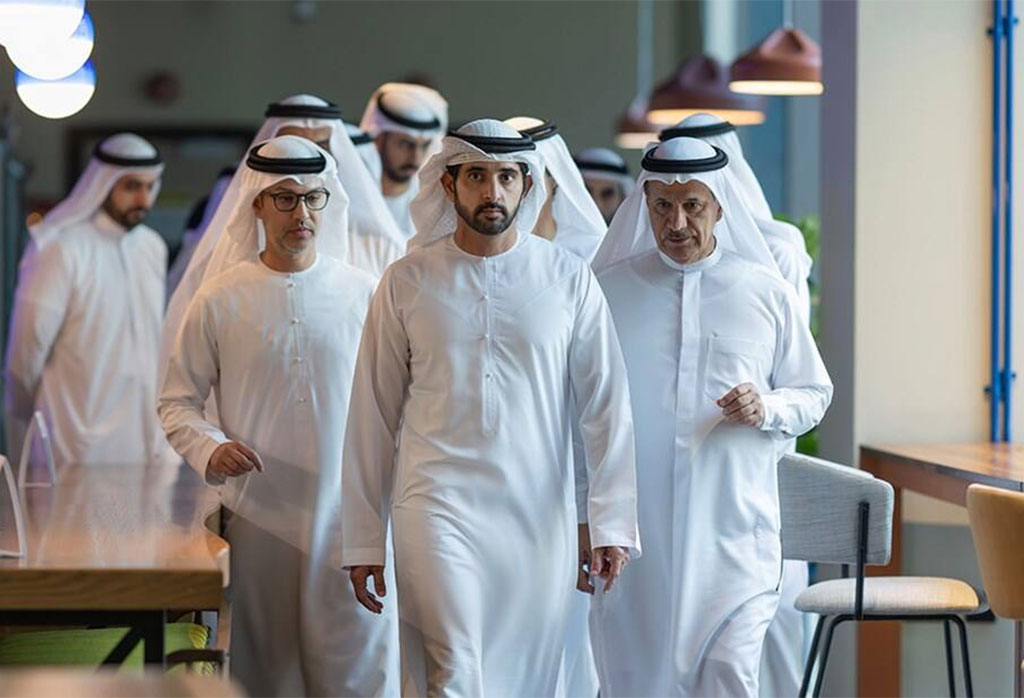
One of the most consequential developments has been the launch of Dubai Founders HQ by His Highness Sheikh Hamdan bin Mohammed bin Rashid Al Maktoum, Crown Prince of Dubai, Deputy Prime Minister and Minister of Defense, and Chairman of the Executive Council of Dubai.
Launched in October 2025 under D33, Dubai Founders HQ represents much more than another business center. Economically, it can be understood as an ecosystem-consolidation mechanism.
Instead of requiring entrepreneurs to navigate disconnected networks of licensing authorities, investors, mentors, accelerators, banks, technology partners, and government programs, Dubai Founders HQ creates a centralized physical and digital environment connecting these stakeholders.
More than 25 public and private sector partners have joined the platform since its launch, covering venture capital, finance, telecommunications, government services and innovation. The initiative directly supports D33’s ambition to develop 30 unicorns and help 400 high-potential SMEs scale.
The leadership significance of Sheikh Hamdan’s involvement should be viewed within this broader economic context.
By placing entrepreneurship visibly within Dubai’s senior economic leadership agenda, the message to founders and investors is that SMEs are not being treated as a secondary component of the economy. They are increasingly viewed as producers of intellectual property, exporters of services, creators of skilled employment and future corporate champions.
Dubai Founders HQ also integrates the long-established Hamdan Innovation Incubator, Hi2, which has built a portfolio of more than 600 startups since its establishment in 2014 and attracted more than 200 innovative projects.
The result is a more sophisticated entrepreneurial infrastructure: incubation at the beginning of the business cycle, acceleration during the growth stage, investor access during capital formation, and international networks when companies begin scaling.
This is where Sheikh Hamdan’s leadership has particular economic significance. The intervention is helping transform entrepreneurial support from a collection of initiatives into an increasingly coherent startup-to-scaleup economic system.
Dubai SME Turning Support into Measurable Market Access
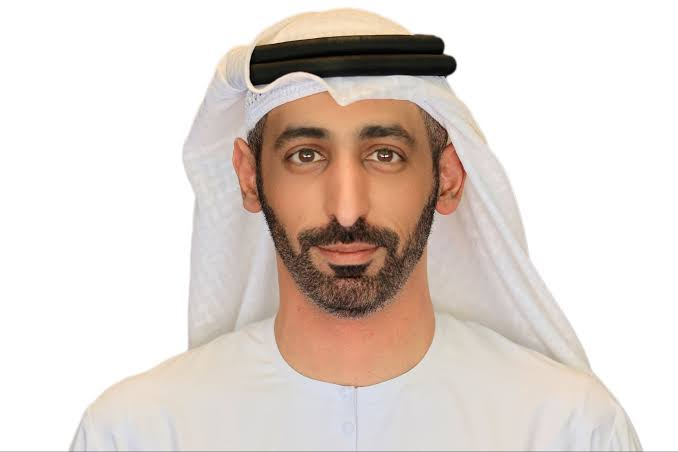
Another important component is the Mohammed Bin Rashid Establishment for Small and Medium Enterprises Development—Dubai SME, part of the Dubai Department of Economy and Tourism.
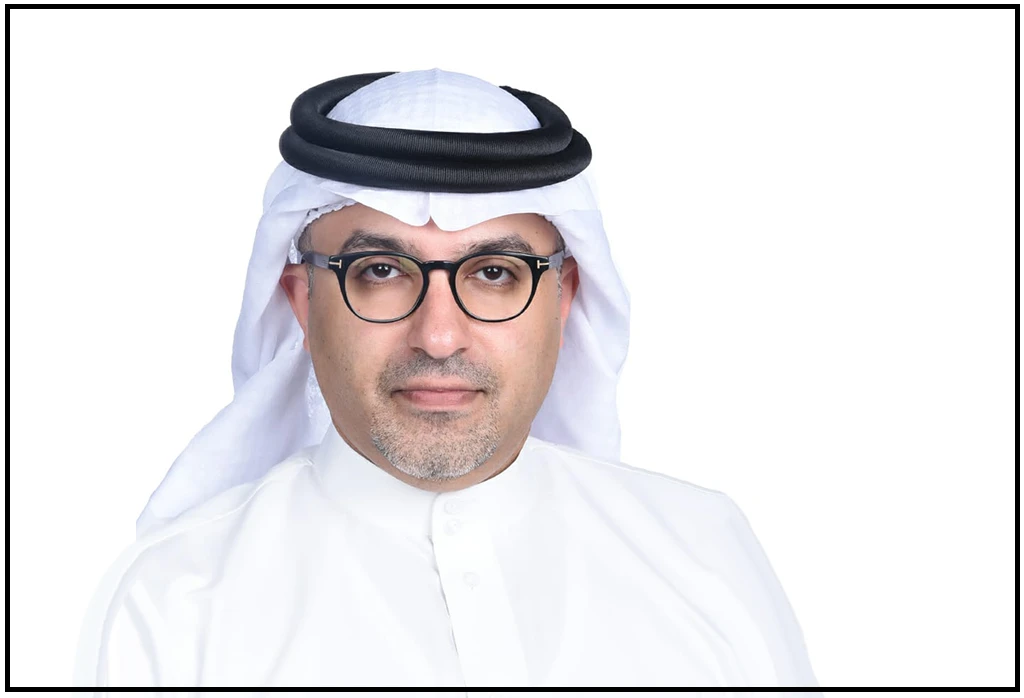
Under CEO Ahmad Al Room Almheiri, the organization has increasingly moved towards measurable economic outcomes, including financing, procurement, digital transformation, and market access.
Dubai SME aims to facilitate the creation of 8,000 new Emirati businesses by 2033, increasing the cumulative number of supported enterprises from approximately 19,000 at the end of 2024 to 27,000.
The performance of the Emirati Supplier Programs illustrates why procurement policy can sometimes be more economically powerful than conventional grants.
In 2025, program members secured more than AED 1.78 billion in contracts, an increase of 38% from AED 1.29 billion in 2024. Government procurement alone exceeded AED 1 billion for the first time.
This matters because sustainable entrepreneurship requires customers, not simply capital.
By integrating SMEs into government and major corporate supply chains, Dubai is effectively converting public-sector purchasing power into an instrument of enterprise development.
The financing side is also expanding. Dubai SME provided approximately AED 44 million in startup funding in 2025, up more than 25% from AED 35 million in 2024.
Meanwhile, the 2026 launch of SME in a Box introduced a more integrated operating model, bringing together 18 private-sector partners across banking, telecommunications, payments, logistics and business services. Certain digital services can be activated in as little as 24 hours.
Under Almheiri’s management direction, programs including Founders of Tomorrow, Majlis Al Mustaqbal, sector partnerships, procurement initiatives and new financing mechanisms collectively suggest a shift from traditional SME assistance towards an enterprise-productivity model.
The distinction is important. Modern entrepreneurship policy is no longer about protecting small companies from competition. It is about giving them the capabilities to compete.
Abu Dhabi: Building the Capital-Intensive Side of the Entrepreneurial Economy
If Dubai increasingly represents the UAE’s commercial startup gateway, Abu Dhabi is becoming one of the region’s most important platforms for technology-intensive and capital-intensive entrepreneurship.
The wider economic backdrop is favorable. Abu Dhabi’s non-oil economy expanded 7.6% year-on-year in the third quarter of 2025, with non-oil activities representing approximately 54% of GDP.
The emirate is increasingly connecting sovereign capital, regulation, research, advanced industries, and entrepreneurship in sectors including artificial intelligence, fintech, climate technology, biotechnology, and life sciences.
Startup Genome estimates Abu Dhabi’s startup ecosystem value at approximately US$73 billion for H2 2023–2025, compared with a global ecosystem average of US$25 billion.
Khalifa Fund: The Backbone of Emirati Enterprise Development
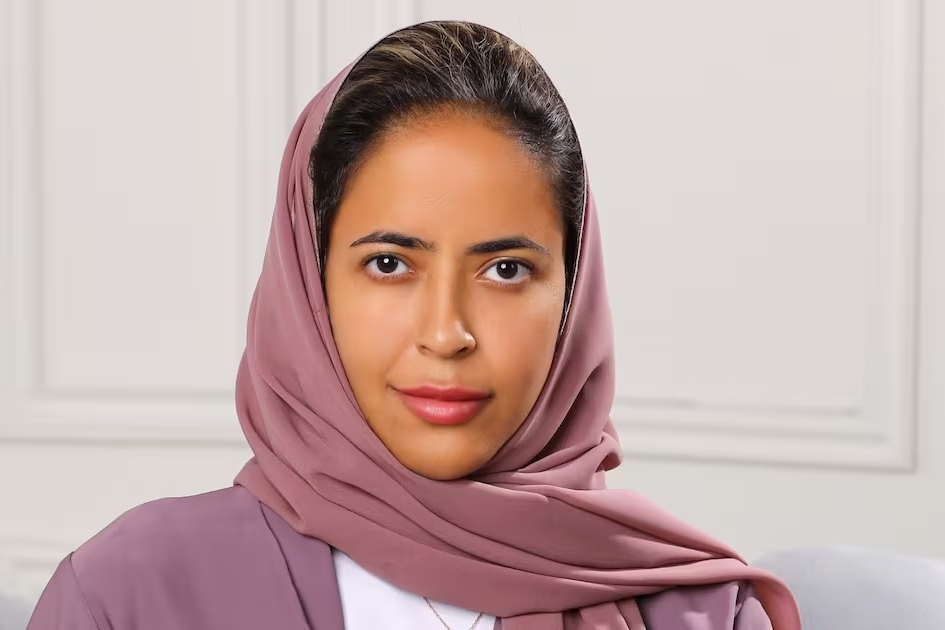
Within this architecture, the Khalifa Fund for Enterprise Development remains one of Abu Dhabi’s central entrepreneurial institutions.
Its importance lies increasingly in its ability to combine financing with training, mentorship, market access, and commercial development.
In 2026, Khalifa Fund strengthened its financing framework through seven integrated financing programs, including financing for first-time founders, working capital, business expansion, and a dedicated AI and Robotics Loan designed to accelerate technology adoption among SMEs.
Its Abu Dhabi SME Champions Program provides another example of policy becoming measurable market demand. By 2024, the program had facilitated more than 650 deals worth AED 672 million between SMEs and major government and private-sector institutions.
More recently, MZN Markets was introduced with the aim of supporting more than 100 startups and SMEs through commercial testing, retail exposure, mentoring, financial planning, sales development and customer interaction.
These programs demonstrate why Khalifa Fund can appropriately be described as part of the institutional backbone of Abu Dhabi’s entrepreneurship economy: it operates across capital formation, capability development and market creation.
Equally important is mentorship.
Within this entrepreneurial-support environment, Sandiya Ibrahim Saad, publicly identified as the Head of the entrepreneurship-support function at Khalifa Fund and also the curator of TEDxAlBateen, represents the human-capital dimension of ecosystem development. TEDxAlBateen itself has created an Abu Dhabi platform bringing together leadership, innovation, technology, entrepreneurship and future-focused ideas.
This connection matters economically. Capital alone rarely builds sustainable companies. Entrepreneurs also require governance skills, commercial discipline, networks, mentoring and exposure to ideas beyond their immediate industries.
An advanced ecosystem must therefore finance businesses while simultaneously developing the entrepreneur behind the business.
Hub71: From Incubator to International Technology Magnet
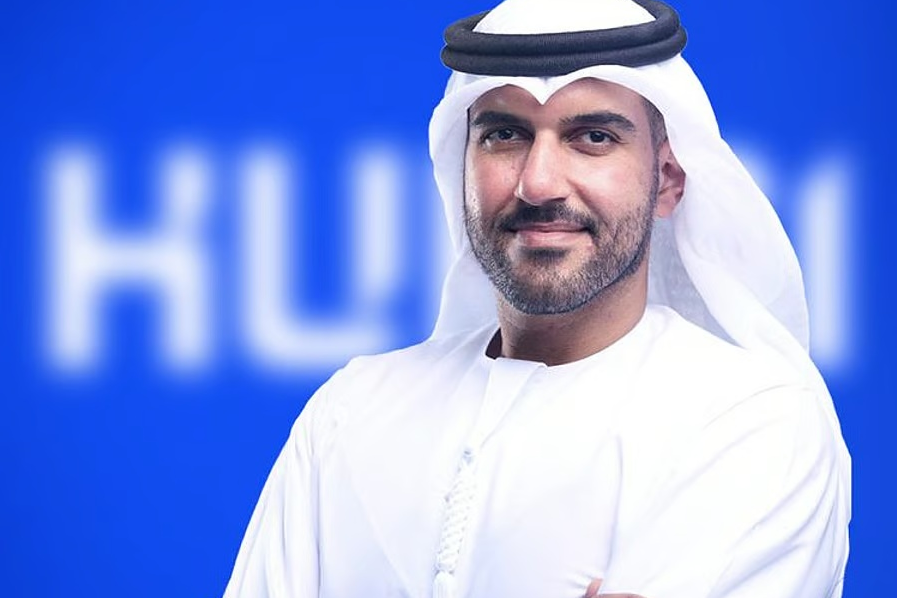
Perhaps the clearest illustration of Abu Dhabi’s transformation is Hub71.
Under CEO Ahmad Ali Alwan, a founding member of Hub71 who became CEO in 2024, the platform has evolved beyond the traditional definition of a startup incubator.
By the end of 2025, startups within Hub71’s community had collectively raised more than US$2.7 billion—AED 9.9 billion—in funding and generated US$1.5 billion, or AED 5.4 billion, in revenue.
The internationalization of the ecosystem is particularly striking.
For Hub71’s 18th cohort in 2026, just 27 startups were selected from 2,453 applications originating from 112 countries, representing an acceptance rate of approximately 1.1%. For the first time, every selected startup was headquartered outside the UAE before joining. Collectively, the companies had already raised approximately AED 844.7 million.
That is an important transition.
Abu Dhabi is no longer only attempting to create startups domestically; it is increasingly competing internationally to import entrepreneurial talent, intellectual property and high-growth companies, anchor them locally and connect them with UAE capital and markets.
Under Alwan’s leadership, Hub71 has also moved towards specialized ecosystems covering Digital Assets, Climate Tech, AI and Life Sciences.
This specialization represents the next stage of ecosystem maturity. Successful startup economies eventually move away from generic incubation and develop sector-specific clusters where regulators, investors, universities, corporates and entrepreneurs share specialized infrastructure and knowledge.
From Startup Nation to Scale-Up Economy
The UAE has therefore reached an important stage in its entrepreneurial development.
Its competitive advantage is not based on one accelerator, one financing program or one free zone. Its strength increasingly comes from the density and connectivity of the entire ecosystem.
Dubai provides entrepreneurs with extraordinary connectivity to global markets, logistics, tourism, finance and international consumer demand. Abu Dhabi provides access to institutional and sovereign capital, advanced research, specialized technology clusters and long-term strategic investment.
Together they create something more powerful: an entrepreneurial corridor capable of supporting companies from concept to global expansion.
The broader investment environment reinforces that trajectory. UAE foreign direct investment inflows reached AED 177.3 billion in 2025, while the average startup investment deal increased to approximately US$9.2 million—AED 33.8 million—nearly twice the previous level, signaling a gradual shift from simply creating startups towards financing scale.
The next phase will therefore be defined less by the number of startups established and more by how many UAE-based companies successfully move through Series A, Series B and later-stage financing; expand internationally; create intellectual property; employ highly skilled talent; and ultimately become regional or global corporations.
That is the deeper economic significance of D33, Dubai Founders HQ, Dubai SME, Khalifa Fund and Hub71.
The UAE is building more than a startup ecosystem.
It is developing an entrepreneurial economic infrastructure in which policy reduces friction, capital absorbs calculated risk, accelerators compress the time required for growth, government procurement creates initial demand, mentorship strengthens managerial capacity, and international connectivity turns local companies into exporters.
Silicon Valley demonstrated that clusters of entrepreneurs, investors, and technology can reshape an economy.
Dubai and Abu Dhabi are developing their own model—one shaped not through imitation, but through deliberate institutional design.
And that may ultimately be the UAE’s greatest entrepreneurial advantage: it is creating a new valley for entrepreneurs—one where government vision, private-sector ambition, global capital, and innovation converge to turn ideas into scalable economic value.