
 Bitcoin
  Ethereum
  Tether
  BNB
BNB  Solana
  XRP
XRP  USDC
USDC  Lido Staked Ether
  Cardano
  Avalanche


Key points
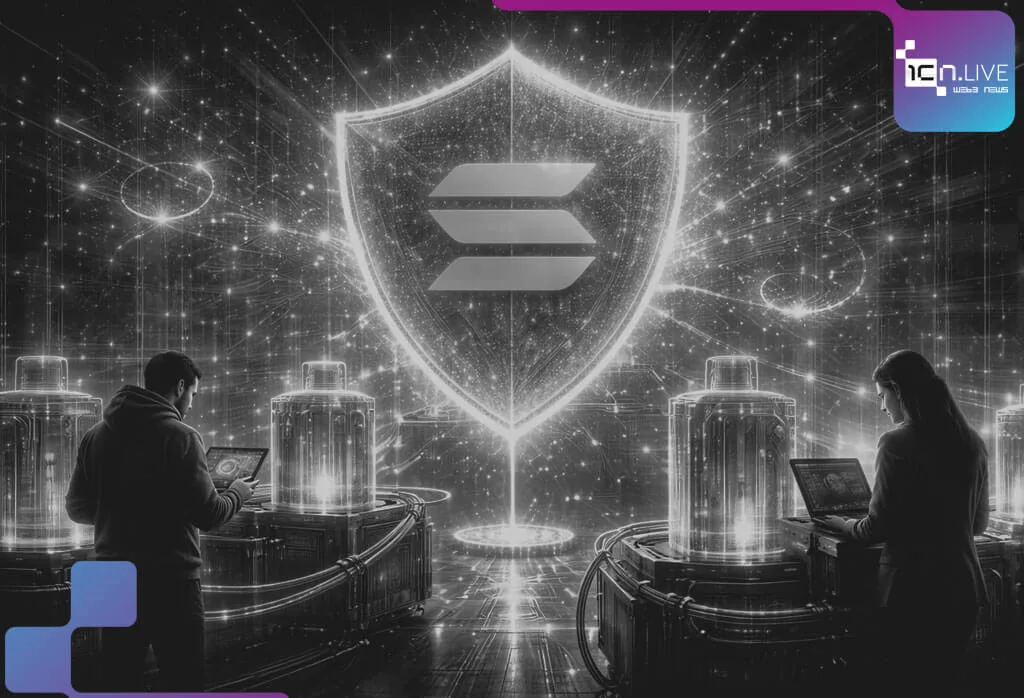
• Solana blockchain deploys post-quantum cryptography on testnet for early validation
• Threats pushing blockchains toward long-term security planning with quantum computing
• Quantum-safe signatures already work with current blockchain systems
• You should watch early security upgrades as indicators of network resilience
Quantum-resistant blockchain security stands at the center of new blockchain planning discussions.
Networks face rising concern over quantum computing threats and future cryptographic risks. Solana blockchain now moves early with a blockchain security upgrade focused on long-term safety. This step places Solana alongside other major networks planning for future attack models.
Developers and users both depend on cryptographic trust. Quantum computers threaten common digital signature systems used across blockchains. Once quantum machines reach sufficient power, older cryptography faces serious exposure. Security teams now treat preparation as a responsibility rather than speculation.
Solana Foundation deployed quantum-safe signatures on a public testnet. The test proves post-quantum cryptography functions within today’s infrastructure. Transactions process end-to-end without breaking performance assumptions. This matters for users who rely on speed and low costs.
Why quantum-resistant blockchain security now matters
Quantum-resistant blockchain security focuses on protection against algorithms used by future quantum computers. These machines exploit mathematical weaknesses in current cryptographic standards. Blockchains depend on cryptography for wallets, validators, and consensus rules.
Solana engaged Project Eleven for a full risk assessment. The review covered validator operations, wallet exposure, and protocol assumptions. Project Eleven specializes in post-quantum cryptography and digital asset migration. Their findings show quantum-safe signatures already scale within live blockchain environments.
This outcome shifts industry thinking. Many teams once believed quantum readiness belonged far in the future. Practical testnet deployment shows preparation fits within current development cycles. As I see it, early action reduces forced emergency upgrades later.
Users benefit from stability planning. Security upgrades done calmly reduce network disruption risks. You gain confidence when a network tests defenses before threats become active. Long-term trust depends on this discipline.
ANOTHER MUST-READ ON ICN.LIVE
RLUSD on Ethereum L2 expands Ripple stablecoin reach across global networks
Solana blockchain tests post-quantum cryptography in real conditions
The Solana blockchain uses high throughput architecture with rapid block production. Any security change must respect performance requirements. The post-quantum testnet proves compatibility with existing transaction flows.
Project Eleven deployed a working quantum-safe signature system. Validators processed transactions without breaking consensus logic. Wallet interactions followed familiar patterns for users. Developers verified integration without redesigning core systems.
Matt Sorg, VP of Technology at Solana Foundation, addressed long-range responsibility. He stated the foundation has planned security for decades, not short cycles. Leadership messaging reinforces an internal culture focused on shipping improvements.
This approach aligns with broader blockchain security upgrade trends. Ethereum and Cardano already explore similar defenses. Solana’s move confirms an industry-wide shift toward prevention.
Quantum computing threats push proactive security upgrades
Quantum computing threats remain theoretical today, but progress continues steadily. Research labs and corporations invest heavily in quantum systems. Once viable machines appear, attack windows open quickly.
Blockchains operate in public environments with irreversible transactions. Delayed action risks permanent asset exposure. Networks that upgrade early reduce future migration pressure.
Quantum-safe signatures rely on cryptographic designs resistant to quantum attacks. These designs increase key sizes but remain manageable. Testnet results show acceptable performance tradeoffs.
You should track which networks test real deployments instead of publishing research only. Implementation signals readiness. Marketing alone offers little protection.
What quantum-safe signatures mean for users and developers
Quantum-safe signatures protect wallets against future private key extraction. Users retain confidence in long-term asset storage. Developers gain clarity around future protocol compatibility.
For validators, security upgrades preserve staking integrity. Consensus safety relies on signature trust. Post-quantum cryptography strengthens validator authentication layers.
Solana plans further upgrades, including a second client and improved consensus. These efforts support overall resilience. Security planning now integrates with performance planning.
Quantum-resistant blockchain security no longer sits outside practical development. Testnets prove viability. Early movers set standards others will follow.
Your takeaway stays simple. Networks prepared today reduce risk tomorrow. Monitoring blockchain security upgrade progress helps you evaluate long-term platform reliability.