
 Bitcoin
  Ethereum
  Tether
  BNB
BNB  Solana
  XRP
XRP  USDC
USDC  Lido Staked Ether
  Cardano
  Avalanche


Key points
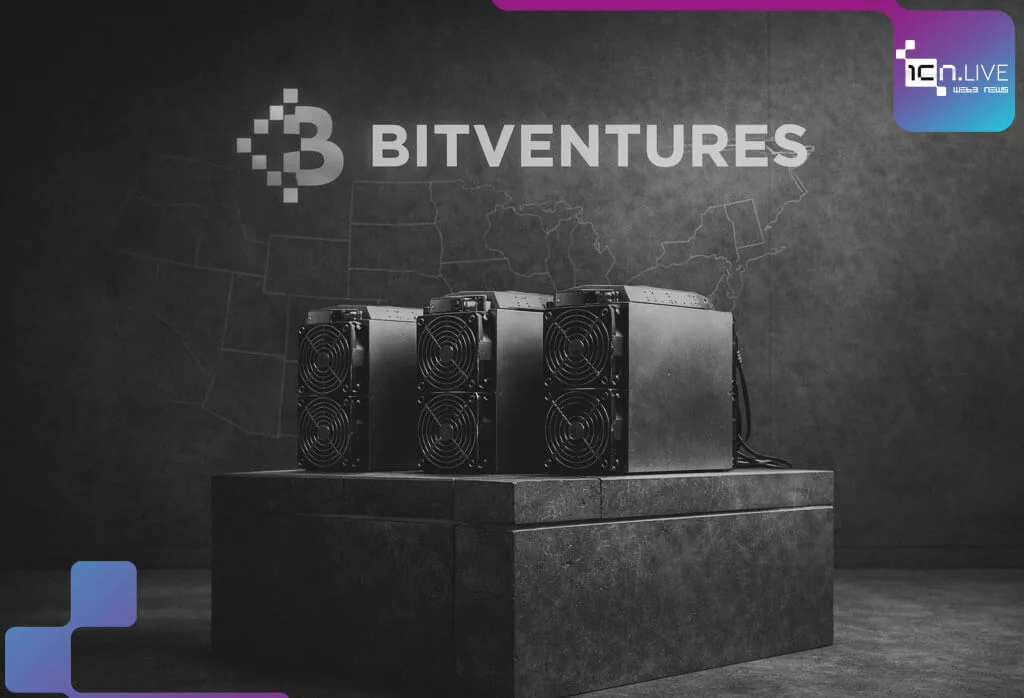
• BitVentures turns to mining after its Nasdaq rebrand to Nasdaq ticker BVC
• Initial 0.5 MW capacity across US data centers, with hardware from Bitmain Antminer
• Focus on Bitcoin, plus Litecoin mining and Dogecoin mining for added revenue streams
• Broader plan includes staking and node services once operations stabilize
US based crypto mining operation is BitVentures first concrete step after the Nasdaq rebrand.
The move shifts a former tech holding company toward digital assets with a clear plan. Hardware orders, power capacity, and a US footprint show intent. The company links this effort to a longer roadmap that includes staking and nodes.
BitVentures reported years of weak results under its old name. The Nasdaq ticker BVC signals a fresh start in public markets. Management wants a path that ties growth to on-chain activity, not to scattered ventures. A focused mining launch gives the market a simple story to track. My analysis indicates that concentration helps investors judge performance sooner.
The company acquired fleets of machines from Bitmain Antminer lines. These rigs target three chains. The plan includes Bitcoin, Litecoin mining, and Dogecoin mining. Multi-chain mining can balance network risk and coin revenue swings. Teams will deploy the rigs in US data centers with 0.5 megawatts of power. The setup phase begins this month, which shortens the time to first blocks. Power contracts, site readiness, and firmware settings sit on the near term checklist.
First blocks in the US, small but focused start
Mining alone rarely solves long-term growth. BitVentures frames mining as a foundation for a wider digital assets push. The roadmap includes staking and node operations. These services reach clients who need uptime, slashing defense, and chain connectivity. A miner with hardware, power, and staff can reuse skills for nodes. That mix can smooth cash flow across market cycles.
Investors will watch funding needs and breakeven costs. Hardware prices shift with Bitcoin price and network demand. A lean start at 0.5 megawatts limits risk while teams learn the fleet. If returns support expansion, the firm can add racks and power later. A measured scale-up reduces the chance of idle gear. It also fits tighter cash positions after zero revenue periods.
ANOTHER MUST-READ ON ICN.LIVE
Binance suspends Visa and Mastercard withdrawals in Ukraine, user options
From rebrand to racks, proof of work as proof of plan
The Nasdaq ticker BVC fixes identity in the market. Clear names and symbols cut noise for research desks. The pivot also mirrors moves by other small public firms. Many sought chain exposure to recover from long share declines. The lesson is simple. You need a clear engine for revenue and a way to measure it. Blocks found, uptime, and cost per coin give that view.
BitVentures will need operational discipline from day one. Cooling, dust control, and firmware tuning swing output. Smart pool selection and fee deals add more basis points. Teams should track the hashboard health and swap parts fast. Site teams should target high uptime through shift coverage and remote alerts. Power curtailment deals can protect margins during price spikes.
US based crypto mining operation as a core revenue engine
The multi-coin plan can help during market swings. Bitcoin sets the tone for digital asset flows and hardware prices. Litecoin and Dogecoin give added hash options with different market moves. Each chain has unique difficulty cycles and fee patterns. A balanced approach can improve steadier revenue during tougher months. Treasury policy will also shape outcomes. Holding part of mined coins can raise risk. Selling daily can steady cash. The choice depends on loan terms and vendor payments.
The market will also judge governance and disclosure. Investors will want monthly production updates, power rates, and fleet mix. Clear numbers build trust after weak results in past periods. The firm should explain when and why it adds more power. It should tie growth to unit economics, not to hype. Steady reporting helps the Nasdaq community track progress.
ANOTHER MUST-READ ON ICN.LIVE
The first tokenized Treasury to pay $100M in dividends, BUIDL sets new bar
From first hash to steady cadence, scale with discipline
BitVentures speaks about future staking and node services. That plan reaches beyond proof of work. Clients need reliable validators and endpoints. A miner used to uptime and alerts holds a real advantage. Cross-training staff can cut costs while growing new lines. If executed well, the firm can move from a single line to a service suite. That would make the rebrand more than a new name.