
 Bitcoin
  Ethereum
  Tether
  BNB
BNB  Solana
  XRP
XRP  USDC
USDC  Lido Staked Ether
  Cardano
  Avalanche


Key Points
-
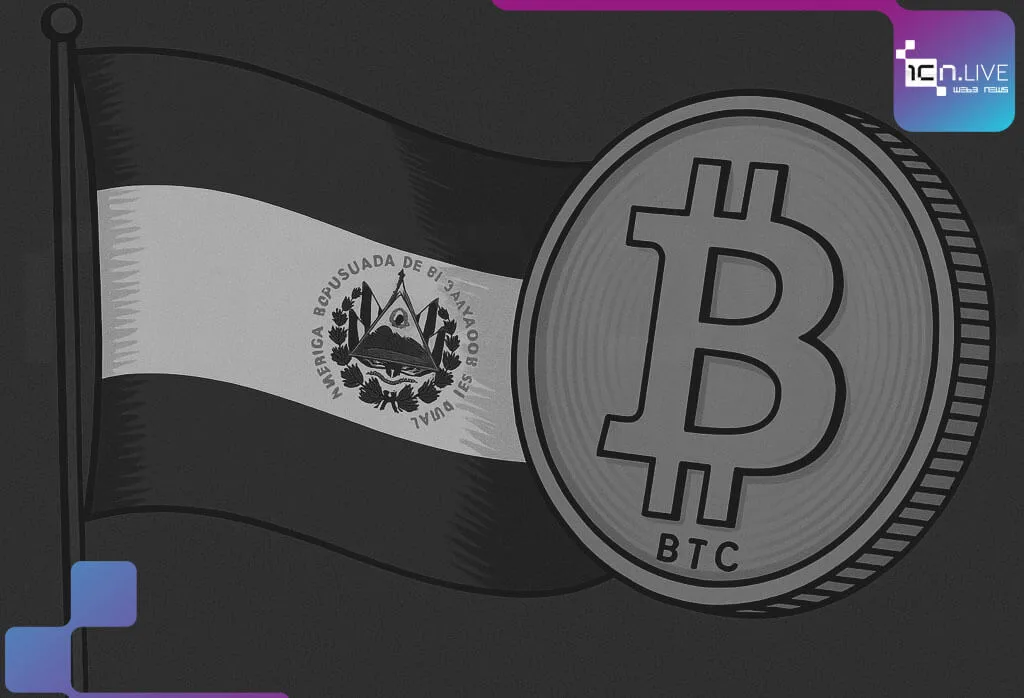
El Salvador’s new Bitcoin holdings surpassed 7,500 BTC, worth about $670 million.
-
The country keeps buying one Bitcoin daily despite market swings.
-
Bitcoin and blockchain are being introduced into schools and financial systems.
-
The policy aims to grow financial inclusion and attract global investment.
El Salvador’s new Bitcoin holdings have reached over 7,500 BTC, a clear sign of the country’s commitment to its digital strategy.
The holdings are worth more than $670 million, based on the latest data from the National Bitcoin Office. Despite global market uncertainty, El Salvador continues to add one Bitcoin each day, following its steady accumulation plan set by President Nayib Bukele.
This daily purchase approach has made El Salvador a unique example of long-term confidence in cryptocurrency. Many experts question the sustainability of the policy, but the government stands firm. The president once said, “We are not selling. We are building.” That statement captures the country’s mindset toward Bitcoin as a long-term store of value rather than a speculative asset.
Highlight: El Salvador’s Bitcoin reserve growth shows steady confidence in digital assets
Bitcoin integration beyond the treasury
Beyond the impressive reserve growth, El Salvador is integrating Bitcoin and blockchain technology into its education and financial systems. Schools are adding blockchain lessons, teaching young citizens about digital finance, smart contracts, and crypto wallets. These lessons are designed to make students familiar with the global cryptocurrency economy.
In the financial sector, the government has pushed for the creation of new digital platforms that simplify remittances. Millions of Salvadorans living abroad send money home each month. Bitcoin reduces transfer fees and improves access for families in rural regions. This approach supports financial inclusion, one of the core goals of the Bitcoin law introduced in 2021.
Highlight: Blockchain education and crypto payments expand across El Salvador
ANOTHER MUST-WATCH ON ICN
The market challenge and IMF scrutiny
While El Salvador’s Bitcoin holdings are growing, the strategy has drawn attention from the International Monetary Fund (IMF). The IMF has questioned how the country continues to buy Bitcoin without violating its agreements. In a recent report, the institution confirmed that the purchases are being managed carefully under special fiscal conditions.
Bitcoin’s price has also shown wide volatility. At the time of writing, the cryptocurrency trades near $89,300, down 2% over the week. Despite the drop, El Salvador’s approach remains unchanged. The government’s consistent purchase policy, regardless of market conditions, shows a belief that long-term gains will outweigh short-term losses.
From my perspective, this disciplined investment pattern highlights a new form of national reserve strategy. Instead of relying only on traditional assets like gold or foreign currency, El Salvador is experimenting with digital reserves that could reshape how countries think about monetary security.
Highlight: IMF oversight continues as Bitcoin price swings
Bitcoin and national development goals
El Salvador views Bitcoin as more than a reserve asset. The government’s goal is to use cryptocurrency to attract foreign investors, especially tech entrepreneurs who want a crypto-friendly environment. Bitcoin City, the planned smart city powered by renewable energy and Bitcoin bonds, remains a key part of this vision.
The government believes this combination of renewable energy, low taxes, and blockchain integration will make El Salvador a global hub for crypto innovation. The plan also aligns with its broader financial inclusion strategy. More citizens now use digital wallets like Chivo to manage savings and payments, lowering dependence on traditional banks.
Financial analysts remain divided. Some say the initiative is risky because of market uncertainty. Others argue it helps modernize the economy and promote transparency. Regardless, El Salvador’s new Bitcoin holdings signal that the country is determined to define its own financial path.