
 Bitcoin
  Ethereum
  Tether
  BNB
BNB  Solana
  XRP
XRP  USDC
USDC  Lido Staked Ether
  Cardano
  Avalanche


Key Points:
• The crypto market in the past 5 hours lost over $100 billion in value.
• Bitcoin and Ethereum led the selloff across digital assets.
• Leveraged crypto trading intensified liquidation risks.
• Geopolitical tensions continue to unsettle investor sentiment.
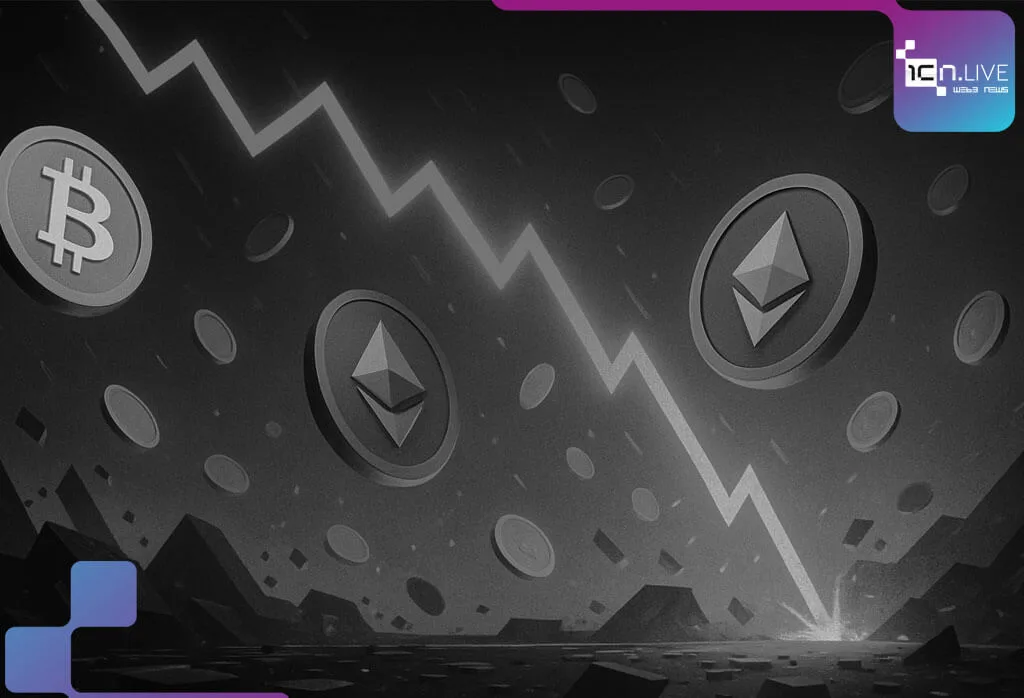
The crypto market in the past 5 hours has shocked investors as over $100 billion vanished from total capitalization.
Bitcoin, Ethereum, and other major digital assets faced steep declines. The downturn mirrored past correction patterns seen during bull cycles.
According to CoinGecko, total crypto market capitalization fell from about $3.9 trillion to nearly $3.8 trillion within hours. This quick drop sent traders scrambling to protect positions, while leveraged crypto trading made the selloff even worse.
From my perspective, the data signals that investor confidence remains fragile despite strong long-term fundamentals. When markets move this fast, small errors in trading strategy can lead to large losses.
Bitcoin and Ethereum lead the fall
Bitcoin once again set the tone for the broader market decline. It has long been viewed as a measure of sentiment in digital assets. When Bitcoin falls, altcoins often follow in sharper moves.
Ethereum also faced heavy selling pressure. The second-largest cryptocurrency experienced more severe liquidation as leveraged positions were unwound. Analysts note that Ethereum’s volatility is higher during market corrections since it is tied to decentralized applications and liquidity cycles.
In such situations, risk management becomes critical. Short-term traders who rely on leverage often face sudden liquidation when prices move fast. This triggers a chain reaction across exchanges, deepening losses.
$BTC PRICE NOW
ANOTHER MUST-WATCH ON ICN.LIVE:
Bitcoin and Ethereum dominance signals market stress
Bitcoin’s price movement shows that large investors are taking profits during market stress. Ethereum’s deeper decline reveals how blockchain ecosystems react faster to liquidity pressure.
Leverage is a double-edged sword in crypto trading. It allows traders to amplify profits, but also magnifies losses. In the crypto market in the past 5 hours, high leverage levels turned small price drops into massive liquidations.
When major assets fall rapidly, margin calls trigger automatic sales. These liquidation events push prices even lower, creating a feedback loop that accelerates the market crash. Exchanges often see trading volumes surge during these hours, reflecting both panic and opportunity.
In my analysis, the pace of this recent liquidation wave indicates that many traders were overexposed to short-term risk. Without proper hedging, such positions rarely survive extreme volatility.
Liquidation waves drive $100B market loss
The global crypto market crash during these hours proves that risk control remains one of the most important lessons for traders.
Beyond trading activity, geopolitical uncertainty has also influenced sentiment. Ongoing conflicts and macroeconomic shifts have driven investors to safer assets. Digital assets, once seen as hedges, are now caught in risk-off moves.
Bitcoin and Ethereum remain central to global discussions about financial independence, but investors are now more cautious. This caution has slowed momentum even in projects showing strong development activity.
As analysts point out, the crypto market in the past 5 hours may not reflect a structural failure but rather an emotional response to external tensions. Market corrections of this scale are common during rapid growth cycles.
ANOTHER MUST-READ ON ICN.LIVE:
ICN.live Key Opinion | EXCLUSIVE Interview with Nicky “Professor Crypto”, Media KOL
Volatility shows crypto’s maturity test
Each correction reminds investors to balance ambition with caution. The lesson is not about avoiding volatility, but managing it wisely.
Based on current data, analysts expect consolidation in the coming days. Bitcoin could find support near recent lows, while Ethereum may stabilize once liquidation pressure fades. Traders should monitor trading volume and open interest closely to gauge recovery signals.
For long-term investors, these market corrections can present entry opportunities if approached with discipline. Diversification, position sizing, and risk management remain vital.
From my standpoint, the crypto market in the past 5 hours has offered a timely reminder that stability in digital assets is not guaranteed. Those who plan ahead and avoid excessive leverage will fare better in unpredictable conditions.