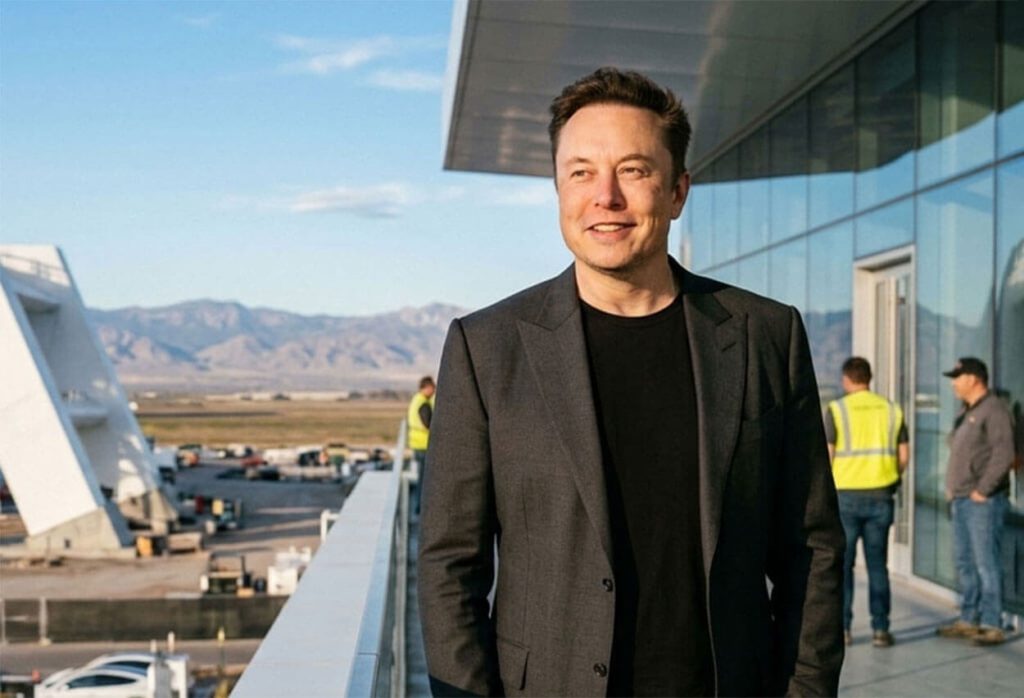
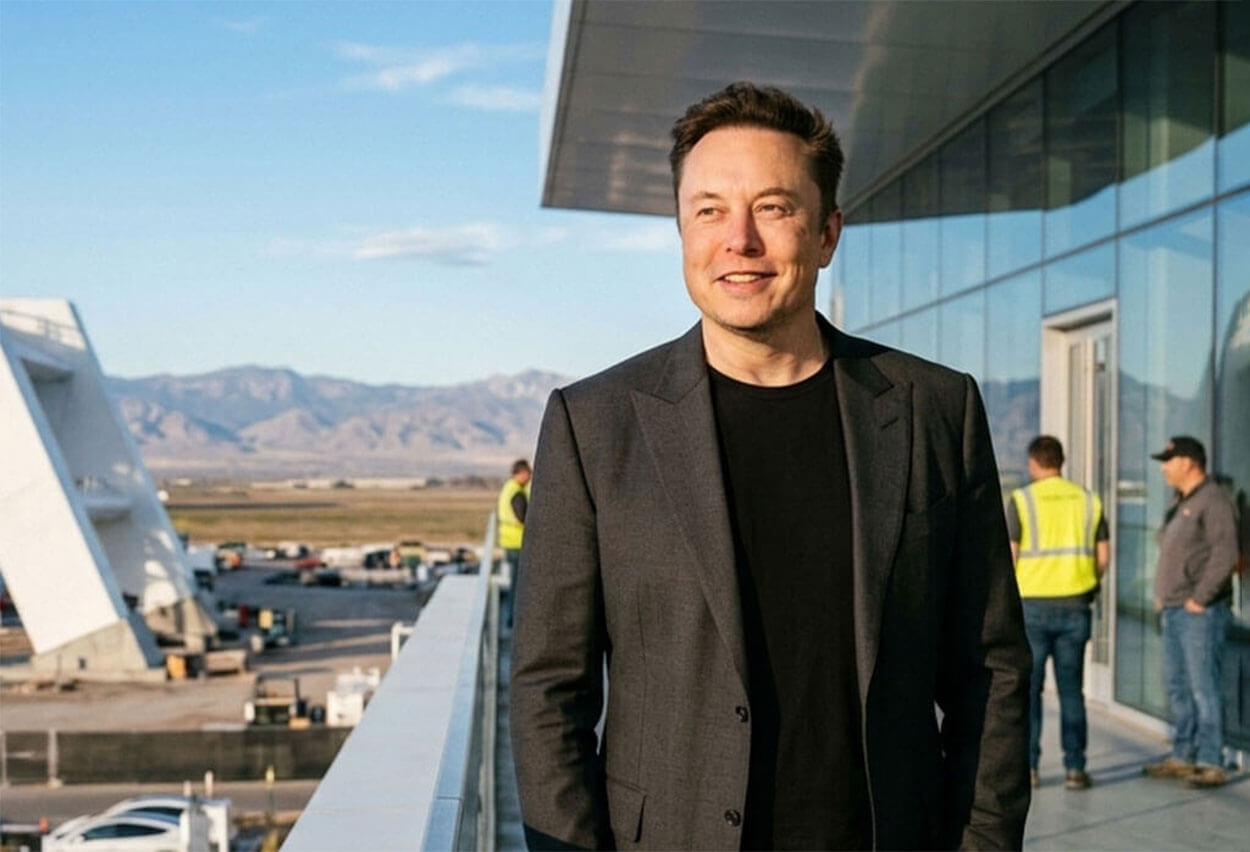



SpaceX has closed a $40 billion GPU financing deal, one of the largest debt raises yet tied to the global build-out of artificial intelligence. Elon Musk announced it on X, describing the package as callable debt raised mainly to buy graphics processing units. The chips will power the company’s AI computing work, and Musk said they should arrive in the first and second quarters of 2027.
The structure of the SpaceX debt financing matters as much as the size. Musk said the company secured the money because of its investment-grade credit rating and the income it earns outside AI, through Starlink satellite internet and its rocket launch business. That combination set it apart from a crowded field of borrowers now struggling to fund similar plans.
Why the $40 billion GPU financing stands out
Graphics processing units are the advanced chips that train and run AI systems, and they have become the most contested resource in the sector. Reuters reported earlier in October that SpaceX was in talks with banks and asset managers to raise the sum for a purchase of Nvidia AI chips. The company absorbed Musk’s xAI before its record public listing in June, and it runs large clusters of these processors inside its data centers.
The spending behind the deal is heavy. SpaceX Chief Financial Officer Bret Johnsen said the company expects capital expenditure of $35 billion to $40 billion in the fourth quarter alone. Musk framed the new debt as a 2027 item rather than a near-term drag, noting it would not be a major factor this quarter.

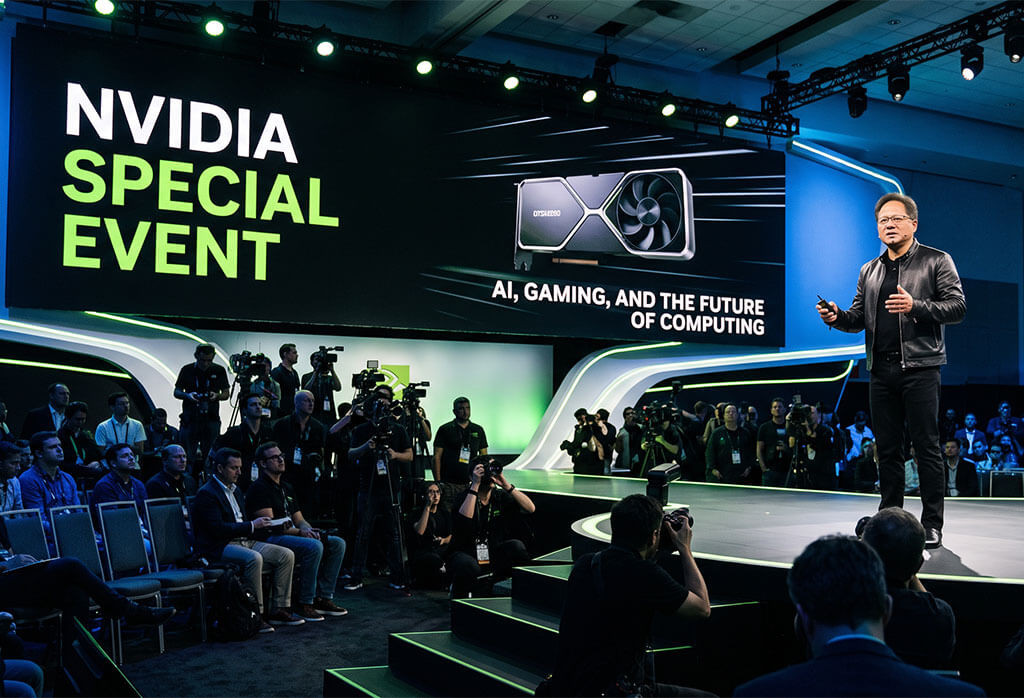
What the financing signals for AI data centers
Musk used the announcement to flag a wider shift in credit conditions. He said debt markets had almost entirely closed to companies that lack substantial revenue independent of AI data centers. That warning points at the smaller operators, often called neoclouds, that rent out computing power built mainly for AI customers.
His forecast for that group was blunt. Musk said the 200-plus neoclouds would face what he called guppy-level death and consolidation, with few surviving. The comment landed as bonds backing several data center projects traded at distressed levels, and as research houses questioned the economics of renting AI compute at scale.
SpaceX revenue and the road ahead
SpaceX sits on firmer ground than most. Its third-quarter revenue rose 161 percent from a year earlier to $14.58 billion, lifted by Starlink revenue and launch activity. Those earnings are what gave lenders the confidence to back the $40 billion GPU financing when access to credit was tightening elsewhere.
The deal also fits a pattern of large capital moves this year. SpaceX completed an $86 billion public offering in June, then raised further debt in the months that followed. Musk has since suggested that a merger of Tesla and SpaceX could be worth pursuing, a sign of how closely he now links his companies’ balance sheets.
For the broader market, the $40 billion GPU financing offers a clear marker. Firms with diversified income can still borrow at scale, while those tied only to AI data centers may find the window closing. The neocloud consolidation Musk described would reshape who owns the computing layer beneath the AI economy.