• bitcoinBitcoin (BTC) $ 42,977.00 0.18%
  • ethereumEthereum (ETH) $ 2,365.53 1.12%
  • tetherTether (USDT) $ 1.00 0.2%
  • bnbBNB (BNB) $ 302.66 0.19%
  • solanaSolana (SOL) $ 95.44 1.28%
  • xrpXRP (XRP) $ 0.501444 0.1%
  • usd-coinUSDC (USDC) $ 0.996294 0.34%
  • staked-etherLido Staked Ether (STETH) $ 2,367.26 1.4%
  • cardanoCardano (ADA) $ 0.481226 2.68%
  • avalanche-2Avalanche (AVAX) $ 34.37 1.19%
  • bitcoinBitcoin (BTC) $ 42,977.00 0.18%
    ethereumEthereum (ETH) $ 2,365.53 1.12%
    tetherTether (USDT) $ 1.00 0.2%
    bnbBNB (BNB) $ 302.66 0.19%
    solanaSolana (SOL) $ 95.44 1.28%
    xrpXRP (XRP) $ 0.501444 0.1%
    usd-coinUSDC (USDC) $ 0.996294 0.34%
    staked-etherLido Staked Ether (STETH) $ 2,367.26 1.4%
    cardanoCardano (ADA) $ 0.481226 2.68%
    avalanche-2Avalanche (AVAX) $ 34.37 1.19%
image-alt-1BTC Dominance: 58.93%
image-alt-2 ETH Dominance: 12.89%
image-alt-3 BTC/ETH Ratio: 26.62%
image-alt-4 Total Market Cap 24h: $2.51T
image-alt-5Volume 24h: $144.96B
image-alt-6 ETH Gas Price: 5.1 Gwei
 

MORE FROM SPONSORED

LIVE Web3 News


ARTICLE INFORMATION

Dubai's AI-generated content system

Dubai’s AI-generated content system sets global standard for transparency

Tariq Al-Mansouri

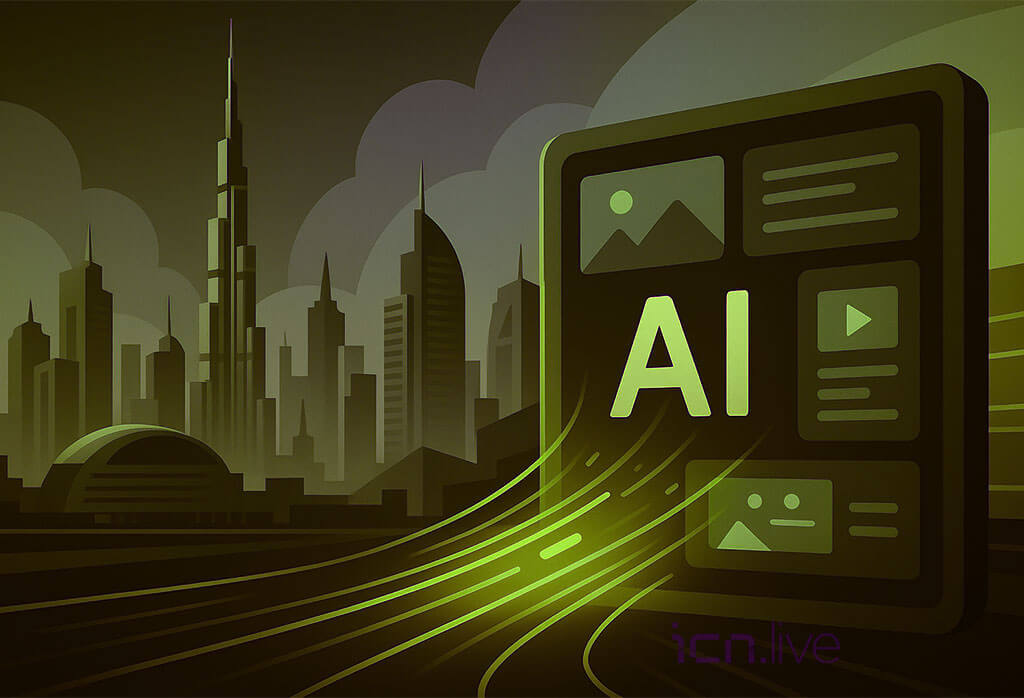
Dubai’s AI-generated content system is reshaping how we distinguish between human and machine-made material.

Developed by the Dubai Future Foundation, the Human–Machine Collaboration (HMC) system introduces a universal classification for all types of content — research, academic, scientific, and creative. This initiative was officially approved by Sheikh Hamdan bin Mohammed bin Rashid Al Maktoum. He emphasized the urgent need to clarify the origin of content in a world increasingly driven by artificial intelligence.

The system uses five core icons to indicate how much of the content was made by humans, machines, or a collaboration of both. These icons range from “All Human” to “All Machine.” Nine supplementary icons explain the machine’s role — whether in idea generation, writing, visuals, or data analysis.

Human–Machine Collaboration Icons bring needed clarity

Dubai’s AI-generated content system provides an easy way for viewers to understand what they’re consuming. The icons can be used across all formats — from articles to videos and images. This gives creators a tool to disclose machine involvement without complex details or percentages.

The classification does not require specific metrics or software to analyze machine input. Instead, it encourages creators to self-identify the collaboration type. This keeps the process simple and promotes a culture of open communication between content creators and their audiences.

According to Sheikh Hamdan, distinguishing between human creativity and AI output is becoming more difficult every day. This classification system offers a visual language to bring clarity to that distinction.

ANOTHER MUST-READ ON ICN.LIVE:

Ethereum ETFs record major inflows as institutional momentum lifts Ether to new highs

Dubai’s system encourages responsible global adoption

Dubai’s AI-generated content system is already required across all government departments. Every official report, publication, or media project must use the HMC classification icons to label the level of AI involvement. This move not only enhances public trust but also pushes for ethical standards in global content production.

The Dubai Future Foundation hopes the system will be adopted worldwide. It invites researchers, publishers, and designers to apply the framework voluntarily. As AI continues to evolve, systems like this could become essential for transparency and accountability in the digital world.

Dubai is once again positioning itself as a leader in responsible technology adoption — setting an example others may soon follow.

SHARE

What is Dubai’s AI-generated content system?

Dubai’s AI-generated content system is a new classification framework introduced by the Dubai Future Foundation. It helps identify the role of humans and machines in creating content. The system features five primary icons showing collaboration levels — from fully human to fully machine-generated. Nine additional icons indicate where machine assistance occurred, such as writing, design, or data processing. The initiative aims to make content origins clearer for the audience and to promote ethical disclosure in a digital-first world.

Why is this system important now?

As artificial intelligence becomes more involved in content creation, distinguishing human input from machine output is increasingly difficult. This system gives people a simple, universal way to disclose that involvement. It helps protect the integrity of content by showing how it was made. That transparency builds trust among audiences, especially in research, education, and public communication. The icons also reduce the risk of AI misuse going unnoticed in published work.

Who must use the system?

All Dubai Government departments are now required to use the Human–Machine Collaboration icons on their official documents and publications. However, the system is available to everyone worldwide. Researchers, designers, publishers, and writers are encouraged to adopt it voluntarily. By doing so, they can show they are committed to transparency and responsible AI use. The system is designed to be easy to understand and apply, with no need for complex tracking tools.

Does the system measure how much AI was used?

No, Dubai’s system does not calculate or display a percentage of AI involvement. Instead, it uses categorical icons to indicate who led the process — a human, a machine, or both. The idea is to make disclosure simple, visual, and understandable for all audiences. It avoids complex metrics and relies on honest self-reporting by creators. This approach encourages ethical behavior while staying flexible across many types of content, from research to multimedia projects.

FEATURED

EVENTS

Days
Hr
Min
Sec
 

ICN TALKS EPISODES