icnlive

WATCH LIVE. THINK BUSINESS.

© 2026 ICN.LIVE

ICN.live

PUBLISHED BY ICN PRESS

  • Arab visitors to Syria doubled to 664,000 in the first half of 2026, up from 320,000 a year earlier
  • Foreign arrivals rose sixfold to 719,000, with Turkey the top international source market
  • Newer government data puts total first-half visitors at 3.52 million, including 2.13 million Syrian expatriates
  • Tourism minister Mazen Al-Salhani said the sector is entering a new phase of growth backed by regional and global demand

Syria tourism growth picked up sharply in the first half of 2026, and behind the figures are people choosing to come back. Arab visitors to Syria doubled between January and June, reaching 664,000 from 320,000 a year earlier, the tourism ministry said. Jordan sent the most travelers. Lebanon and Iraq followed close behind. Arrivals from Gulf countries kept rising too, though the ministry gave no separate count for them.

Foreign arrivals climb off a low base

Syria’s foreign tourist arrivals grew even faster. International visitors reached 719,000, up from 131,000 during the same months in 2025. Turkey led the source markets. Germany, Sweden, the United States, the Netherlands, Canada and the United Kingdom came next, a spread that reaches far past Syria’s neighbors. These Syria visitor arrivals 2026 now stretch across Europe and North America, a change from the years when few outsiders came at all. Newer government data adds weight to the trend. Counting Syrian expatriates as well, total visitors hit 3.52 million in the first half, up 111 percent on last year. Expatriate trips alone came to 2.13 million, and the ministry calls that group key to rebuilding trust in the country abroad.

What Syria tourism growth means on the ground

Numbers like these describe more than a spreadsheet. Each arrival is a hotel shift filled, a fare paid, a restaurant table turned. For many people working in tourism, Syria tourism growth shows up as more work after long uncertainty. Mazen Al-Salhani, the tourism minister, has called tourism a driver of jobs across transport, hospitality and small businesses. He said the sector is entering a new phase, supported by rising demand from regional and international markets. Under a five-year plan, the ministry wants tourism to lift its share of the economy and add tens of thousands of jobs by the end of the decade. In coastal Tartus, officials opened the summer season this year with an eye on Mediterranean visitors. The rising movement of people, the ministry said, shows the need to expand hotel capacity and improve services.

Investment follows the visitors

Syria tourism investment has started to track the arrivals. Al-Salhani said last September the country signed investment contracts worth $1.5 billion to revive the sector. That deal came a month after the government agreed $14 billion in infrastructure, transport and real estate. He said renewed interest in Syria as a destination is opening fresh chances for investors in hotels, hospitality and services. The Syria tourism sector still carries the weight of long war years, and rebuilding hotels and heritage sites will take time and money.

A wider economic reset

The tourism push sits inside a larger reset. Neil Quilliam, a fellow in the Middle East and North Africa programme at Chatham House, wrote for AGBI that Syria is beginning to draw investment across several sectors, which could position it as a new growth zone in the regional economy. President Ahmed Al-Sharaa has set the 2026 budget at $10.5 billion, close to triple last year’s level. Whether Syria tourism growth holds through the second half of the year could depend on air links, hotel supply and the pace of new projects. For now, the people arriving are the clearest sign of change. Each doubled figure is a person who decided the time was right to return.

TAGS

EXPLORE MORE ON:

sovereign USD bond

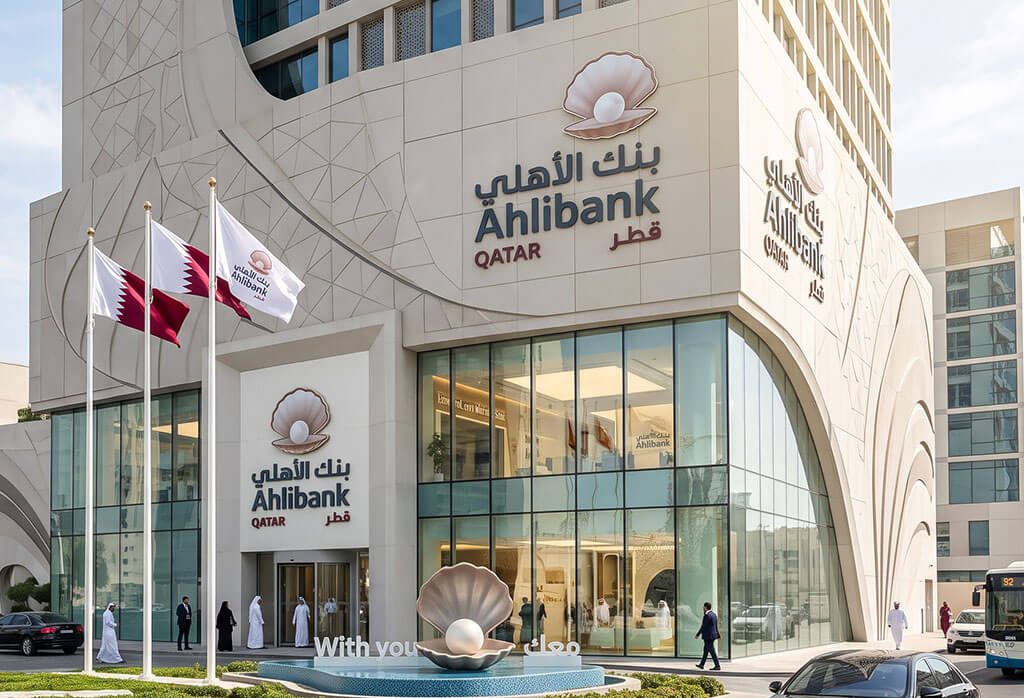
Qatar has launched a benchmark-sized sovereign USD bond across two tranches, with pricing expected later the same day. The offering is senior unsecured. It comes through the Ministry of Finance, acting for the State of Qatar.

The five-year tranche carries initial price targets of 85 basis points over US Treasuries. Guidance on the 10-year sits at 95 basis points. Both spreads fall below the 100 basis point mark. Final coupons will depend on Treasury levels once the order book closes.

Qatar is the latest Gulf state to return to international debt markets. The move follows a quieter stretch for regional supply during a period of renewed geopolitical tension. Earlier this month, Saudi Arabia raised 3.25 billion dollars through a dual-tranche dollar sukuk.

Business Intelligence & News

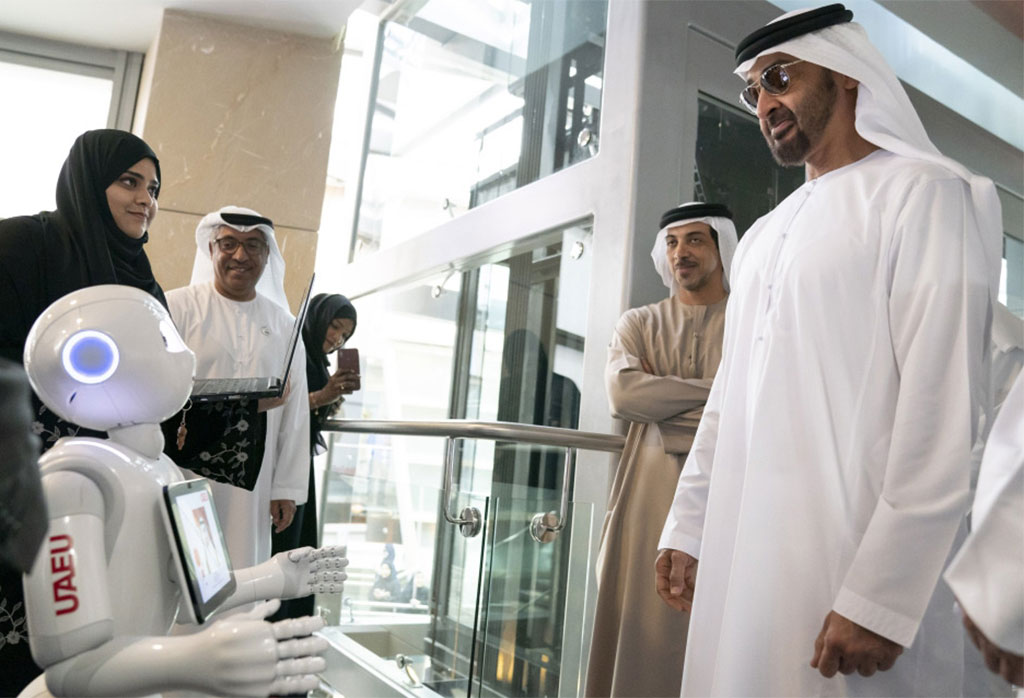
  • UAE higher education is becoming core economic infrastructure for talent, innovation, and growth.
  • Abu Dhabi University awarded QS Stars 5+ rating
  • Dubai private university enrolment reached 42,026, growing by around 20% in 2024–25.
  • Universities are aligning skills with AI, finance, healthcare and other strategic UAE sectors.

How the sovereign USD bond is structured

The deal is a Qatar dual-tranche bond, split by maturity. One tranche runs five years. The other runs 10. Each is a senior unsecured bond, which ranks holders alongside other unsecured senior creditors rather than against specific assets.

Initial price thoughts, or IPTs, are the early spread levels shown to investors before the book builds. They mark a starting point, not a final price. As demand forms, the spread can tighten. The US Treasuries spread is the gap between Qatar’s yield and comparable US government debt, and it moves with Treasuries until pricing locks. The sovereign USD bond gives Qatar dollar funding at two points on its curve.

A benchmark-sized transaction points to an issue large enough to trade with reasonable liquidity later. Qatar had not confirmed the final size at launch.

Ratings and syndicate

The State of Qatar holds an Aa2 rating with a stable outlook from Moody’s. S&P rates it AA with a stable outlook. Fitch rates it AA with a negative outlook. The notes are expected to carry a rating in line with the issuer.

Credit Agricole CIB, Deutsche Bank, Mizuho, MUFG, Santander and SMBC serve as joint lead managers. Goldman Sachs International, HSBC, JP Morgan, QNB Capital and Standard Chartered Bank act as joint global coordinators. HSBC is the billing and delivery bank on the five-year tranche. Standard Chartered Bank takes that role on the 10-year.

Settlement and listing

The bonds settle on September 28, 2026. They fall under Qatar’s Global Medium Term Note Programme, the standing framework the sovereign uses for repeat issuance. A listing on the London Stock Exchange Main Market will follow.

Pricing gives a current read on how investors weigh Qatar’s credit. Spreads under 100 basis points on a five- and 10-year sovereign point to steady demand. For the wider Gulf debt markets, the deal adds a fresh reference point after a thin run of supply. Other regional borrowers can price against it.

Qatar’s access to dollar funding rests on large hydrocarbon revenues and a deep pool of state financial assets. That base has long supported its standing with bond investors.

What comes next?

Order books will guide the final spread and coupon on each tranche. Pricing on the sovereign USD bond will firm up once the book closes. Investors will watch the size of Qatar’s prints and where the spreads land against the opening guidance.

Share this post

on your favourite social platforms

or copy the link