
 Bitcoin
  Ethereum
  Tether
  BNB
BNB  Solana
  XRP
XRP  USDC
USDC  Lido Staked Ether
  Cardano
  Avalanche


Key Points:
- Ripple wins second European regulatory approval; UK & Luxembourg approvals show a regulated path to deploying Ripple Payments for cross border money transfers.
- UK and Luxembourg approvals give banks a clear path to deploying Ripple Payments across borders.
- EU wide regulatory approval and clarity on how to implement is now possible through MiCA compliant frameworks such as those in Luxembourg.
- European regulatory bodies have provided clarity on the future direction of crypto regulation through the MiCA framework.
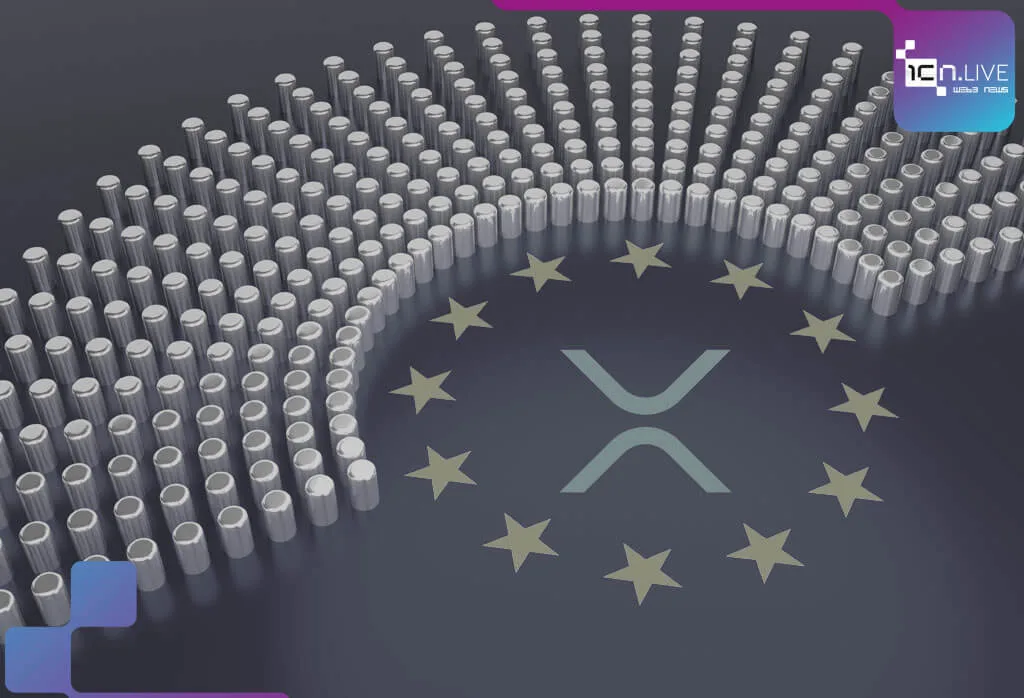
Ripple wins second European regulatory approval, and its timing matters for banks planning scaled deployment.
Luxembourg approved Ripple for a preliminary electronic money institution license, and this approval is part of Ripple’s overall strategy to expand its presence in Europe. This approval follows other recent UK approvals that also allow Ripple to expand its regulated footprint across other major European markets. These approvals represent a pathway from pilot testing to full deployment of cross-border payment services for banks.
Monica Long highlighted the importance of the momentum Ripple is experiencing by emphasizing “value flow management” and “business impact.” She stated, “By expanding Ripple’s licensed portfolio and evolving our payment solutions, we’re doing more than just moving money.” She also stated, “We’re managing the end-to-end flow of value to unlock dormant capital.”
Her comments highlight that the process improvements enabled by Ripple’s payment solutions can lead to reduced amounts of “trapped liquidity” and faster settlement between institutions and corridors.
Regulatory Momentum Across the EU Payments Corridor
I believe this approval provides treasurers with a reliable rail and predictable compliance outcomes. An Electronic Money Institution license enables Ripple to issue, distribute, and redeem electronic money under supervision. That framework is aligned with MiCA compliance and existing EU payments rules that are already well known to many large banks. When evaluating new vendors, having a regulated status eliminates much of the friction associated with the onboarding process and reduces the timeline for reviewing vendors.
ANOTHER MUST-READ ON ICN.LIVE
MoU with Pakistan to study stablecoin use in cross border payments flows
Why a Luxembourg Fintech Hub Matters for Operational Scale
Ripple wins second European regulatory approval and supports the ambitions of Ripple for near-real-time settlements for businesses. Merchants and marketplaces have come to expect 24/7 experiences, and therefore, treasury operations require resilient rails across currencies. Ripple Payments is focused on cross-border settlement while reducing the amount of pre-funding needed and the reconciliation efforts required by teams.
With supervised electronic money issuance, firms can streamline collections and payouts across multiple corridors.
The UK registration and Luxembourg approval combine to provide marketing and compliance strength for enterprise sales conversations. Procurement groups generally require evidence of supervision, audited controls, and consistent reporting prior to contract signing. Ripple Payments’ milestones provide facts that business owners can reference during investment committee meetings and reviews. Leaders can reference specific licenses to address counterparty risk and regulatory uncertainty with senior stakeholders.
Ripple Payments Enters a Stronger Sales Posture with Audited Permissions
Banks typically test new technologies in controlled sandbox environments before transitioning to production environments at scale. With clear EU crypto regulation, teams can develop procedures that align with familiar rules for day-to-day operations. Compliance officers will have templates for transaction screening, wallet due diligence, and record-keeping obligations across jurisdictions. Those templates will eliminate rework and enable auditors to verify that controls are in line with regulatory expectations for electronic money.
Ripple wins second European regulatory approval and creates pressure on competitors to demonstrate similar supervised capabilities. Enterprises value suppliers that integrate modern infrastructure with licensing, financial safeguards, and strong service availability. The combination is important because leadership teams are concerned about continuity, support coverage, and predictable performance windows. Over time, market share typically follows those providers that can deliver regulatory clarity and measurable service outcomes.
ANOTHER MUST-WATCH ON ICN
Ripple Wins Second European Regulatory Approval, Strengthens Enterprise Buyer Confidence
In the near term, I anticipate European customers to demand integrated reporting that aligns with MiCA compliance metrics. Product teams should be able to map settlement flows, reconciliation checkpoints, and liquidity requirements into simple dashboards for finance. Clear documentation will enable treasurers to forecast cash positions, manage currency exposure, and plan working capital needs. Those benefits will ultimately transform regulatory progress into practical benefits for users responsible for producing financial results on a daily basis.