
 Bitcoin
  Ethereum
  Tether
  BNB
BNB  Solana
  XRP
XRP  USDC
USDC  Lido Staked Ether
  Cardano
  Avalanche


Key Points
-
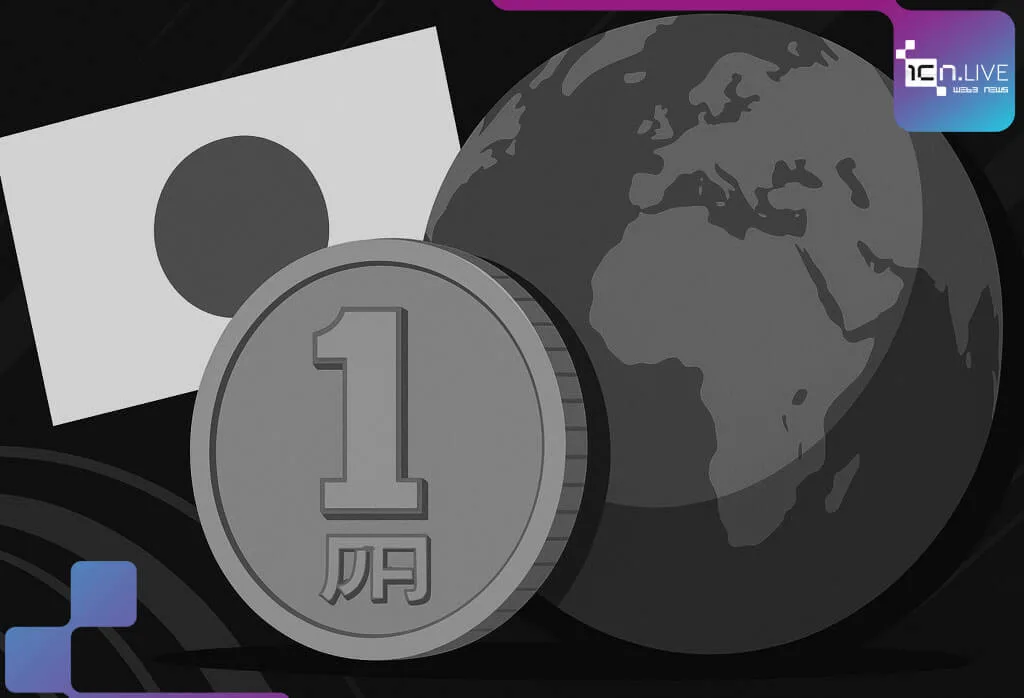
Japan’s JPYC issues the world’s first yen-pegged stablecoin.
-
Backed by deposits and Japanese government bonds for full redemption.
-
Freely convertible yen gives it global reach, unlike other Asian currencies.
-
Could anchor USD/JPY trading in decentralized markets.
World’s first yen-pegged stablecoin is reshaping Asia’s digital finance story.
Japan’s JPYC has launched the first fully backed, freely convertible digital yen. Supported by domestic deposits and Japanese government bonds, it positions Japan at the forefront of the Asian crypto market. Unlike other regional attempts tied to restrictive local currencies, this stablecoin has genuine global utility.
JPYC’s approach is simple. The token is redeemable one-to-one for yen, with reserves held in bank deposits and bonds. Instead of charging transaction fees, JPYC earns from the interest on its Japanese government bond holdings, which now yield over 3%. This allows sustainable operations while keeping the token accessible to traders and developers alike.
A stablecoin born from a global currency
The world’s first yen-pegged stablecoin stands apart because the yen itself is globally convertible. Japan dismantled capital controls in the 1980s, opening its currency to offshore use through the euro-yen market. Today, the yen ranks among the top traded currencies worldwide. This global liquidity gives JPYC’s digital yen an edge over local Asian rivals.
In contrast, South Korea’s won and Taiwan’s dollar remain tied to domestic systems. They cannot circulate offshore, limiting any stablecoin version to national users. By comparison, Japan’s model welcomes global traders. The Bank of Japan’s policy of openness ensures that the yen’s digital twin can flow wherever demand arises.
Japan’s regulatory clarity enables real adoption
What makes JPYC’s debut powerful is its regulatory clarity. The stablecoin complies with Japan’s revised Payment Services Act, which defines rules for issuance and reserves. This gives both institutions and individuals confidence that every digital yen is backed by real, transparent assets.
From my perspective, this is the foundation that Asian digital currencies have long lacked. Legal certainty invites serious players, from trading desks to fintech firms, to build on this new infrastructure.
ANOTHER MUST-READ ON ICN.LIVE:
Multi-blockchain trading terminal acquisition boosts Solana meme coin trading expansion
USD/JPY trading goes on-chain
According to BIS data, daily global FX trading averages $7 trillion, with the USD involved in 89% of trades and the yen in about 17%. This makes the USD/JPY pair one of the most active globally. A regulated yen stablecoin now allows this pair to move onto blockchain rails, where liquidity pools could operate without borders.
A thriving on-chain USD/JPY market would not only strengthen the Asian crypto market but also connect Japan’s digital assets with global finance. Both the U.S. and Japan now regulate fiat-pegged stablecoins, which could lead to cross-border settlements built entirely on digital currencies.
The test of global demand
Yet the question remains — will global traders adopt it? Euro stablecoins have existed for years, but remain small in market cap. While the digital yen has legal clarity and strong backing, its success depends on whether global users see value beyond dollar-based tokens.
Japan’s timing may be perfect. Rising interest rates mean holding yen-backed assets earns a real yield again. For investors seeking stability with returns, the world’s first yen-pegged stablecoin offers a sound, transparent alternative in the blockchain economy.
A new era for the Asian crypto market
This milestone places Japan as the first mover in Asia’s stablecoin evolution. With JPYC’s leadership and Japan’s regulatory openness, the nation could become the region’s settlement hub for multi-currency blockchain payments. If liquidity deepens and adoption grows, the digital yen may form the backbone of a new Asian crypto market built on trust, transparency, and convertibility.
As I see it, Japan has done more than launch a token. It has bridged traditional finance with decentralized markets, showing how a mature economy can redefine digital money with global reach.