
 Bitcoin
  Ethereum
  Tether
  BNB
BNB  Solana
  XRP
XRP  USDC
USDC  Lido Staked Ether
  Cardano
  Avalanche


Key points:
-
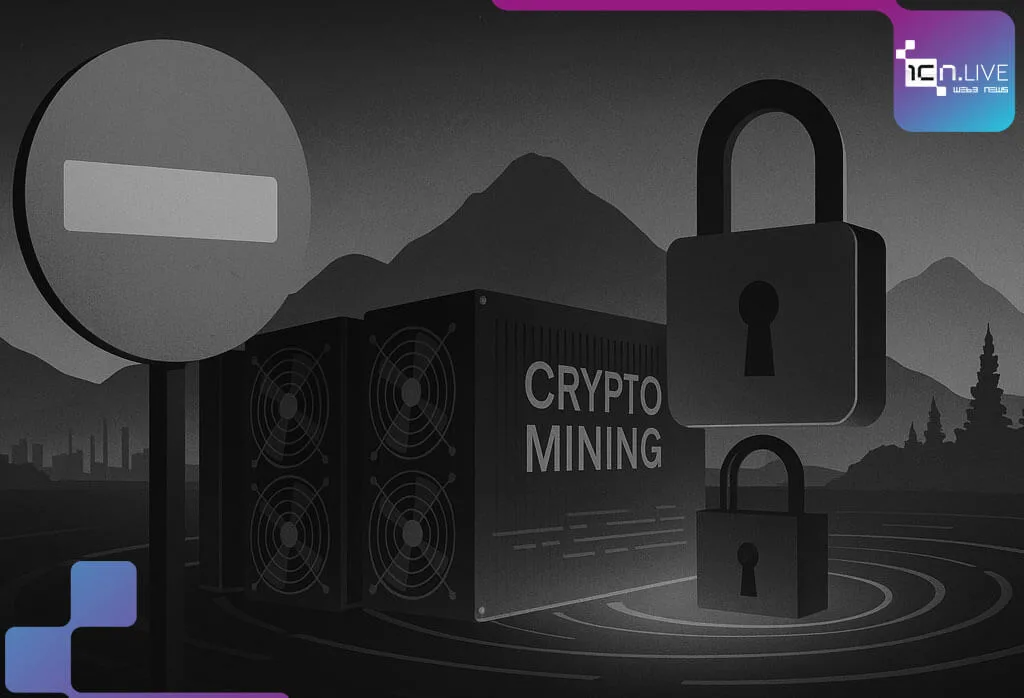
British Columbia confirms permanent crypto mining ban.
-
The province prioritizes electricity for industries like LNG and natural gas.
-
The government seeks to secure clean electricity for economic growth.
-
BC Hydro will no longer grant new crypto mining power connections.
British Columbia’s new legislation builds on a moratorium placed in 2022.
The government now intends to make this restriction permanent, ensuring BC Hydro’s clean electricity is directed toward productive sectors. Provincial officials argue that the mining ban helps balance energy demand and supports sustainable growth.
The decision follows reports from other regions where crypto mining led to sharp electricity rate hikes. Policymakers want to avoid that risk. Adrian Dix, Minister of Energy and Climate Solutions, said the new framework will prioritize industries that deliver clear economic returns to British Columbians.
Protecting BC Hydro’s clean electricity
BC Hydro’s network depends mainly on hydroelectric power, a cornerstone of the province’s clean electricity strategy. The government’s new energy policy aims to prevent overuse of this resource by limiting high-demand, low-job industries such as crypto mining and some data centers.
Starting in fall 2025, the province plans to apply strict limits on data and AI power consumption. The legislation also sets clear boundaries on how BC Hydro can allocate its grid capacity, reserving it for industries that create employment and revenue.
This approach reflects the province’s broader crypto regulation strategy. Rather than banning crypto itself, British Columbia targets its energy-intensive mining practices.
ANOTHER MUST-READ ON ICN.LIVE:
$110 million financing deal on Berachain signals growing confidence in DeFi innovation
The rationale behind the mining ban
Officials emphasized that the decision aligns with long-term climate and economic goals. British Columbia wants to maintain leadership in clean energy production while supporting industries that advance public interests.
Premier David Eby highlighted that the policy enables the province to accelerate development on key projects like the North Coast Transmission Line. “This will deliver clean power for responsible industrial growth and job creation,” he said.
From my standpoint, this is a clear message to global crypto miners: sustainability comes before profit. The province is positioning its energy policy as a blueprint for future-oriented development, balancing technology needs with responsible power use.
Permanently ban new crypto mining in British Columbia
British Columbia’s choice to permanently ban new crypto mining in British Columbia marks a decisive shift in how Canada views digital asset infrastructure. The move reflects growing pressure to regulate crypto operations that consume vast amounts of clean power without providing equivalent social or economic returns.
The policy may set a precedent for other provinces and even countries considering how to balance digital innovation with energy security.
Future implications
The province’s stance could shape broader national crypto regulation discussions. As more regions confront the environmental impact of digital mining, British Columbia’s model may influence future policies in Canada and beyond.
While some argue that the policy may drive crypto miners to other jurisdictions, the government believes the long-term gains from protecting clean electricity outweigh the short-term losses.
For investors and businesses, the lesson is clear: in British Columbia, energy use must align with public benefit. The mining ban ensures that limited electricity supports industries that sustain communities, not speculative ventures.