• bitcoinBitcoin (BTC) $ 42,977.00 0.18%
  • ethereumEthereum (ETH) $ 2,365.53 1.12%
  • tetherTether (USDT) $ 1.00 0.2%
  • bnbBNB (BNB) $ 302.66 0.19%
  • solanaSolana (SOL) $ 95.44 1.28%
  • xrpXRP (XRP) $ 0.501444 0.1%
  • usd-coinUSDC (USDC) $ 0.996294 0.34%
  • staked-etherLido Staked Ether (STETH) $ 2,367.26 1.4%
  • cardanoCardano (ADA) $ 0.481226 2.68%
  • avalanche-2Avalanche (AVAX) $ 34.37 1.19%
  • bitcoinBitcoin (BTC) $ 42,977.00 0.18%
    ethereumEthereum (ETH) $ 2,365.53 1.12%
    tetherTether (USDT) $ 1.00 0.2%
    bnbBNB (BNB) $ 302.66 0.19%
    solanaSolana (SOL) $ 95.44 1.28%
    xrpXRP (XRP) $ 0.501444 0.1%
    usd-coinUSDC (USDC) $ 0.996294 0.34%
    staked-etherLido Staked Ether (STETH) $ 2,367.26 1.4%
    cardanoCardano (ADA) $ 0.481226 2.68%
    avalanche-2Avalanche (AVAX) $ 34.37 1.19%
image-alt-1BTC Dominance: 58.93%
image-alt-2 ETH Dominance: 12.89%
image-alt-3 BTC/ETH Ratio: 26.62%
image-alt-4 Total Market Cap 24h: $2.51T
image-alt-5Volume 24h: $144.96B
image-alt-6 ETH Gas Price: 5.1 Gwei
 

MORE FROM SPONSORED

LIVE Web3 News


ARTICLE INFORMATION

90% of tech workers are using AI

90% of tech workers are using AI in software development and future job trends

Leila Al-Khatib

Key Points

  • 90% of tech workers are already using AI in their daily work.

  • Google AI tools and rivals compete for dominance in coding support.

  • Entry-level jobs in software development are under pressure.

  • Trust in AI code quality remains mixed.


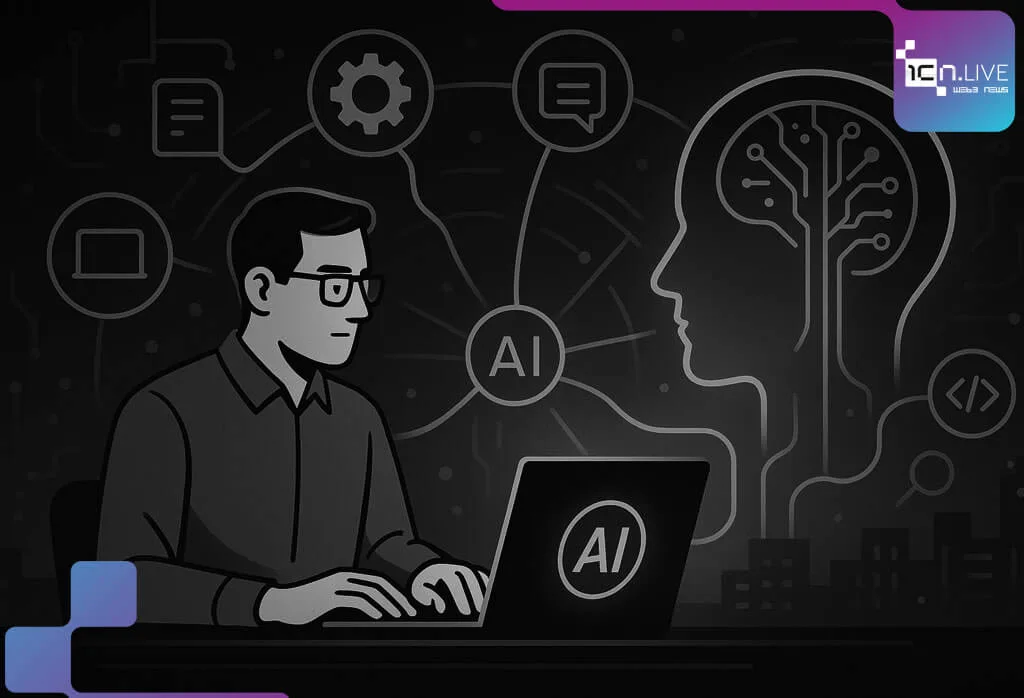
90% of tech workers are using AI, according to a new report from Google’s DORA research division.

Based on 5,000 responses worldwide, the study shows a sharp rise in adoption, up 14% from last year. The data highlights how AI tools are becoming central in software development, changing how engineers work and how companies hire.

The adoption wave comes with both opportunities and challenges. On one hand, AI tools speed up code generation and routine tasks. On the other hand, entry-level jobs in software development are harder to find, as more tasks once reserved for junior engineers shift to automation.

AI tools become a daily necessity

Google AI plays a leading role, with products ranging from free assistants to advanced platforms costing $45 per month. These AI tools generate code, troubleshoot systems, and support deployment. Microsoft, OpenAI, Anthropic, Replit, and Anysphere also compete strongly in the space, pushing adoption forward.

“If you are an engineer at Google, it is unavoidable that you will be using AI as part of your daily work,” said a Google executive in the CNN interview. This reflects how quickly AI is shaping professional life in tech.


Mixed trust in code quality

While use is high, trust in AI code quality is not absolute. The survey shows that 46% of professionals only “somewhat” trust AI output. Another 23% trust it “a little,” and 20% say they trust it “a lot.” This means human oversight remains essential.

On performance, 31% believe AI slightly improved code quality, while 30% say it had no impact. Experts suggest AI in software development is between stage three and four on a five-level maturity scale. It can troubleshoot and assist, but still requires review and safety checks.

ANOTHER MUST-READ ON ICN.LIVE: 

Republic to Tokenize Animoca Brands Equity on Solana for Global Investor Access

Entry-level jobs under pressure

The rise of AI tools is reshaping hiring. The unemployment rate for recent computer science graduates now exceeds that for majors like art history and English, according to the New York Fed. Job listings for software engineering roles dropped 71% between February 2022 and August 2025, a dramatic shift in the market.

One graduate, Julio Rodriguez, applied to more than 150 jobs before securing a role. His experience reflects the challenge for newcomers entering a market where AI handles more basic coding tasks.


The future of AI in engineering

Still, many in the industry believe AI will not replace every task. Some areas of software development demand creativity, critical thinking, and problem-solving beyond the reach of current AI. “Software development is a fashion industry,” one expert said. “When there’s that much conversation, everyone’s just excited to try the new thing.”

From my perspective, the key lies in balance. AI can remove mundane work, but companies need to ensure new engineers gain real experience. Without this, the pipeline of future talent risks drying up.


SHARE

Why are 90% of tech workers using AI now?

The latest Google DORA survey shows 90% of tech workers use AI because it saves time, reduces repetitive work, and speeds up software development. Engineers are under pressure to deliver faster results, and AI tools help achieve that goal. Companies like Google, Microsoft, and OpenAI have invested heavily in creating accessible AI platforms, some of which are free, making adoption easier. From code generation to bug detection, these tools help developers complete tasks in less time. Still, workers are careful, since trust in AI code quality is not universal. Many still prefer to review AI output before use in production.

How is AI affecting entry-level jobs in software development?

Entry-level jobs are shrinking as AI tools take over basic tasks. The New York Fed reports higher unemployment among computer science graduates than in liberal arts majors. At the same time, Indeed shows software engineering job listings down 71% since 2022. For graduates, this means more applications, fewer responses, and longer job searches. AI helps companies reduce hiring needs for junior engineers, since coding assistants now do much of that work. Still, graduates who adapt by learning AI tools improve their chances of finding roles, as firms value those who can manage both coding and AI systems.

Do tech workers trust AI-generated code quality?

Trust in AI code quality remains mixed. According to the survey, 46% of professionals “somewhat” trust AI, while 23% trust it “a little,” and 20% trust it “a lot.” This suggests that while AI is useful, it is not yet seen as reliable enough to replace human review. Many engineers view AI as a helpful assistant, not a replacement. It supports brainstorming, testing, and debugging but still requires oversight. Most developers find AI is best at automating repetitive or routine tasks while they focus on critical areas where accuracy and creativity are vital.

What is the future of AI in software development?

AI in software development will grow, but it will not replace humans completely. Experts argue that AI is currently between stage three and four of a five-level maturity scale. This means AI can handle system-level troubleshooting and repetitive work but still needs human guidance. The future will likely include more advanced AI tools integrated into daily work, especially at large companies like Google and Microsoft. Yet, tasks demanding creativity, problem-solving, and deep technical insight will remain human-driven. From my standpoint, workers who learn to use AI alongside their skills will thrive in this new era.

FEATURED

EVENTS

Days
Hr
Min
Sec
 

ICN TALKS EPISODES