
 Bitcoin
  Ethereum
  Tether
  BNB
BNB  Solana
  XRP
XRP  USDC
USDC  Lido Staked Ether
  Cardano
  Avalanche


Key Points
-
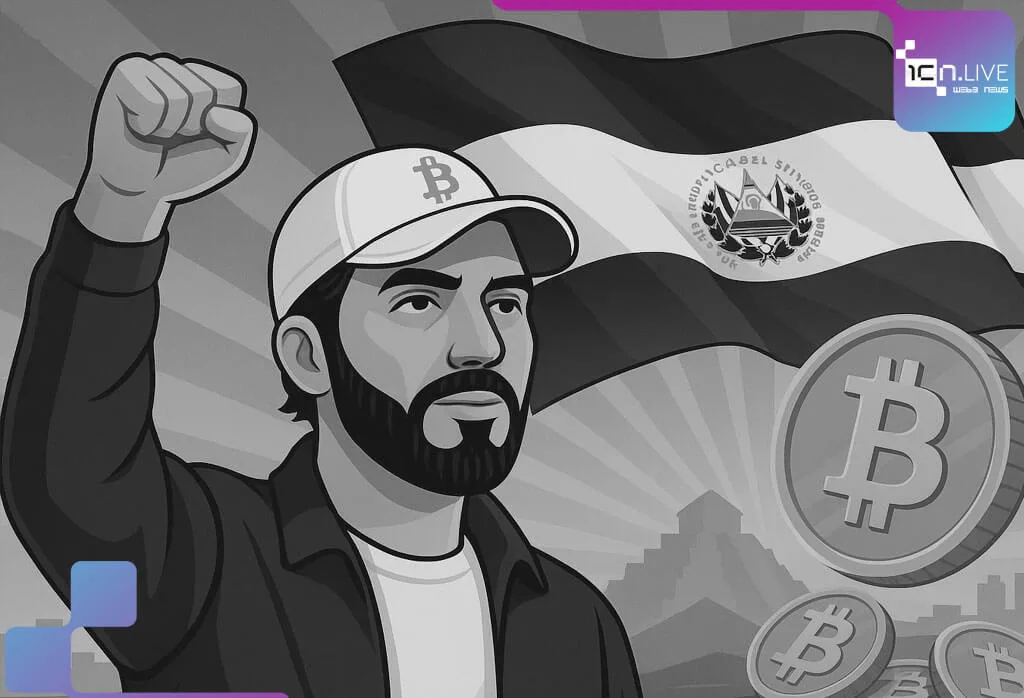
Nayib Bukele celebrates Bitcoin Day with a symbolic 21 BTC purchase worth over $2.3 million
-
El Salvador’s Bitcoin policy continues to face IMF crypto concerns and market skepticism
-
Strategy strengthens its role as Wall Street’s Bitcoin proxy with hints of new purchases
-
Analysts warn that September 8 has historically been bearish for the Bitcoin price
Bitcoin Day with 21 BTC purchase reflects Nayib Bukele’s continued symbolic approach toward Bitcoin adoption.
On September 7, the El Salvador president announced he had bought 21 BTC to mark Bitcoin Day, celebrating three years since Bitcoin became legal tender in the country. At a trading price near $111,175, the move represented more than $2.3 million.
From my standpoint, the action signals Bukele’s determination to maintain Bitcoin’s role in El Salvador’s financial narrative, despite global skepticism. The gesture recalls 2021, when the small Central American nation became the first country to adopt Bitcoin as official currency.
Symbolism meets skepticism
The Bitcoin Office in El Salvador called the anniversary a milestone, declaring it had been building “Bitcoin country” since the legal tender law took effect. The celebration comes at a moment when the Bitcoin versus gold debate has intensified. El Salvador has added gold reserves alongside Bitcoin holdings, signaling a balanced approach while promoting a digital-first identity.
Yet, IMF crypto concerns continue to overshadow the national project. The International Monetary Fund has consistently pressed El Salvador for clarity, questioning transparency in reporting and challenging whether Bitcoin adoption delivers the promised benefits. This tension makes the symbolic 21 BTC purchase more of a political statement than an economic strategy.
Bitcoin price meets historical seasonality
Analysts stress that despite optimism, September 8 represents one of Bitcoin’s most historically bearish dates. Timothy Peterson, known for applying Metcalfe’s Law to Bitcoin valuation, noted that Bitcoin is down 72 percent of the time on this date, with an average loss of 1.3 percent. In his analysis, when September 8 closes negatively, Bitcoin records a losing month 90 percent of the time.
This insight is a reminder that sentiment-driven gestures, like Bukele’s Bitcoin Day celebration, must face market reality. Traders monitor not only the symbolic events but also the data-driven seasonal patterns that influence volatility.
Strategy strengthens its role
Parallel to Bukele’s move, Michael Saylor hinted that Strategy could increase its Bitcoin exposure. The company already serves as a Wall Street proxy for corporate Bitcoin holdings. While some critics accuse the firm of pursuing a risky debt-fueled strategy, others view it as a vote of confidence in Bitcoin’s long-term potential. Hedge fund veteran Fred Krueger dismissed Ponzi scheme comparisons, noting the firm’s strategic alignment with digital scarcity.
This dual narrative, Bukele’s symbolic gesture in El Salvador, and Strategy’s institutional positioning, reinforce the global divide. On one side, Bitcoin is a tool for national identity and alternative finance. On the other hand, it is an asset for corporate treasury innovation.
ANOTHER MUST-READ ON ICN.LIVE:
Trump Media’s CRO token acquisition strengthens Truth Social and digital asset strategy
Between celebration and caution
El Salvador’s Bitcoin adoption remains both celebrated and challenged. Supporters emphasize that the nation created a model for future crypto economies. Critics focus on transparency issues, financial risks, and IMF opposition. Investors, meanwhile, continue to watch both the Bitcoin price and historical signals like September 8, balancing optimism with risk awareness.
Whale Insider recently suggested that $10 billion in shorts could be liquidated if Bitcoin rises to $117,000. Such possibilities underline Bitcoin’s volatile nature, where symbolic gestures, institutional buying, and seasonal data collide.
As I see it, Bukele’s 21 BTC purchase was less about the immediate Bitcoin price and more about sustaining a narrative. It shows that Bitcoin remains central to El Salvador’s strategy, even as the IMF questions the project’s credibility and markets remind traders of seasonal caution.