
 Bitcoin
  Ethereum
  Tether
  BNB
BNB  Solana
  XRP
XRP  USDC
USDC  Lido Staked Ether
  Cardano
  Avalanche


Key Points
-
FSA to a 20% crypto flat tax aims to align crypto with equities
-
Legal reforms could allow regulated crypto ETFs in Japan
-
Institutional investment shows rising interest in Bitcoin and digital assets
-
New structure reflects Japan’s broader tax reform and financial policy updates
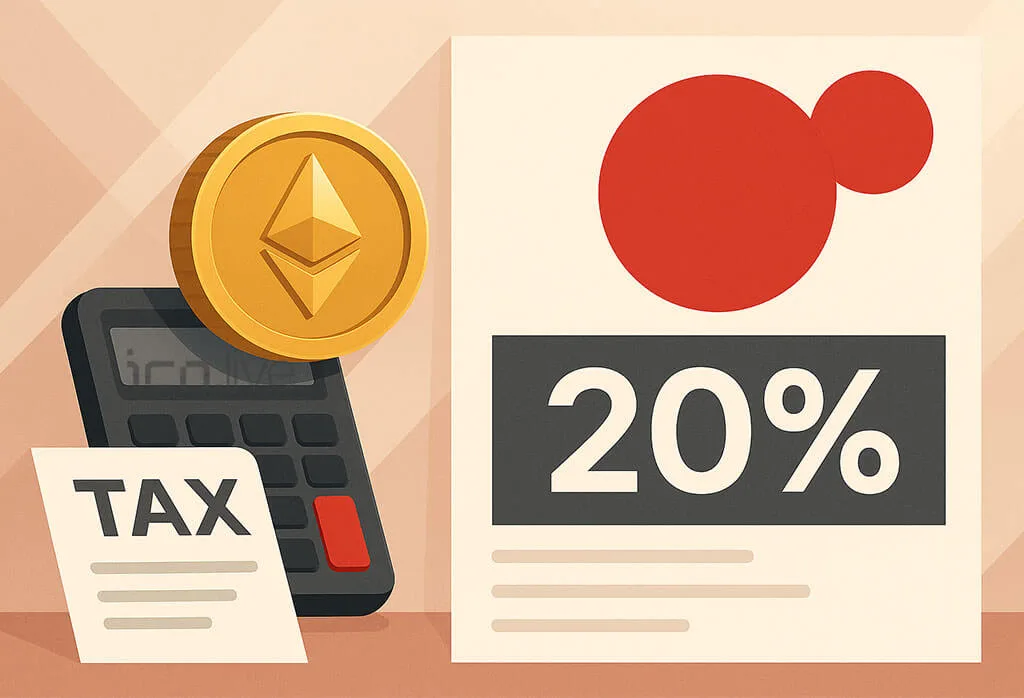
FSA to a 20% crypto flat tax is Japan’s boldest step yet toward modernizing its digital asset landscape.
The current system taxes crypto gains as miscellaneous income. That means progressive rates that exceed 50 percent in some cases. Equities, on the other hand, are taxed at a flat 20 percent. The Financial Services Agency now wants to treat crypto the same way.
This shift is not just cosmetic. It could redefine how investors, both retail and institutional, view crypto holdings. The tax reform Japan is considering would allow for loss carry-forwards over three years. That would ease the financial burden on long-term crypto participants. The change is planned for fiscal 2026, giving markets time to prepare.
The motivation is clear. Japanese retail participation in crypto remains low. 88 percent of citizens have never owned Bitcoin in Japan. That figure comes from a survey by the Cornell Bitcoin Club. Reducing complexity and financial penalties could open the gates for broader household involvement.
Japan’s new crypto tax plan brings clarity and incentives
The Japanese crypto market has long been viewed as tightly regulated. That perception is rooted in past disasters, such as the Mt. Gox collapse. The 2014 meltdown prompted strict frameworks. These aimed to prevent future systemic failures. While effective, those policies also deterred innovation and participation.
From my perspective, aligning crypto taxation with equities is more than fair. It reflects crypto’s evolving role in the financial system. Investors are not simply chasing short-term gains. Many are building digital portfolios alongside traditional ones.
The planned flat tax sends a strong message. It tells households and institutions that digital assets are not fringe anymore. They belong in the same conversation as stocks and bonds.
Meanwhile, the legal upgrade has another benefit. By reclassifying crypto as a financial product, the FSA could enforce disclosure and investor protection rules. It would also enable crypto ETFs, including spot Bitcoin funds. These remain unavailable in Japan despite growing demand.
ANOTHER MUST-READ ON ICN.LIVE:
Ethereum price at all-time high as traders react to Fed and institutional demand
Crypto ETFs in Japan could change the investment dynamic
Crypto ETFs offer regulated, accessible ways to invest in digital assets. This is crucial for retail users who may lack technical skills. It also appeals to institutions seeking compliance and transparency.
The Japanese crypto market lacks such vehicles. This places it behind countries like the US, which recently approved spot Bitcoin ETFs. If the FSA reforms move forward, Japan could quickly catch up.
Institutional investment is already signaling readiness. A joint survey by Nomura Holdings and Laser Digital found that 54 percent of institutional investors plan to invest in crypto. Of those, 62 percent see diversification benefits. Many prefer a 2–5 percent allocation in crypto assets.
I would argue that without ETF access, this demand remains underutilized. Legal clarity, combined with simplified taxation, would unleash new capital into the market.
Institutional investment is rising in Japan’s crypto landscape
The FSA also plans to create a new bureau within its structure. This division will focus on digital finance and insurance. That suggests a long-term commitment to understanding and overseeing crypto-related activities.
Tax reform initiatives often face delays. But this one aligns closely with the government’s “New Capitalism” agenda. That policy favors investment-led growth. Encouraging households to build diversified portfolios is central to that strategy.
As far as I’m concerned, recognizing crypto as a serious asset class is overdue. Japan is no stranger to innovation, but policy has lagged behind market interest. This initiative could reverse that trend.
The Bitcoin in Japan story is still being written. Trading volumes have grown from $66.6 billion in 2022 to a projected $133 billion. Still, Japan lags behind global momentum. Global market cap rose from $872 billion to $2.66 trillion. Domestic policies must now catch up.
BITCOIN PRICE NOW
Bitcoin in Japan is still underused despite global momentum
While global adoption accelerates, Japanese crypto participation still relies heavily on institutions. Retail remains cautious. The reasons are clear: high taxes, unclear laws, and a lack of access to ETFs.
The new plan addresses these barriers. Whether it works will depend on follow-through and execution. If passed and implemented by 2026, Japan could become a leader in regulated crypto finance.