 Bitcoin
  Ethereum
  Tether
  BNB
BNB  Solana
  XRP
XRP  USDC
USDC  Lido Staked Ether
  Cardano
  Avalanche


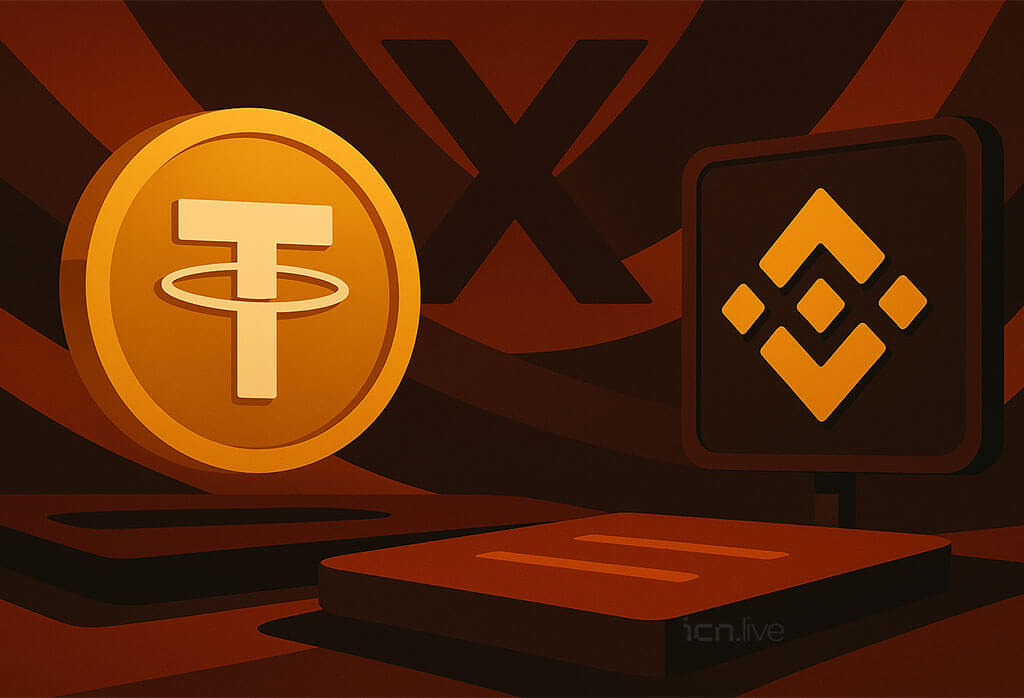
Tether and Binance Miss Out again on MiCA’s regulation, highlighting ongoing regulatory challenges for two of crypto’s biggest names.
As of July, 53 crypto firms have secured MiCA authorization, enabling them to operate across 30 EEA countries. The Markets in Crypto-Assets (MiCA) framework is transforming the European crypto landscape by streamlining licensing across borders.
Firms like Coinbase, Kraken, and OKX are already on the approved list. These platforms now benefit from MiCA’s “passporting” rights, allowing single-license operations throughout the EU. In contrast, Tether and Binance remain on the sidelines due to compliance issues and transparency concerns.
MiCA introduces strict governance rules and requires verified audits. This is where Tether and Binance continue to fall short. Tether’s reliance on attestations over full audits remains a sticking point. Binance, meanwhile, is battling regulatory pressures in several EU countries, including Spain.
Approved Crypto Giants Take the Lead
France, Germany, and the Netherlands are leading Europe’s stablecoin approvals. Combined, these three countries represent 9 of the 14 licensed stablecoin issuers. Most approved tokens are backed by fiat currencies like the euro and the US dollar.
On the crypto-asset service provider (CASP) front, Germany and the Netherlands also dominate. Together, they account for over half of the 39 CASP authorizations. This regulatory momentum supports the integration of both crypto-native and TradFi firms into the EU crypto economy.
Firms like Robinhood and BBVA are also licensed under MiCA. Their entry signals growing interest from traditional financial institutions. MiCA’s structure offers a regulatory edge, granting certainty and legal clarity in an otherwise fragmented global market.
ANOTHER MUST-READ ON ICN.LIVE:
Air Taxi Test Flight in Abu Dhabi Marks Leap Toward Commercial Urban Air Travel
Tether’s Audit Woes Could Stall Compliance
Tether and Binance miss out again MiCA’s regulation in part because of long-standing audit concerns. Despite repeated promises since 2017, Tether has yet to undergo a full independent audit. Consumer watchdogs have called this a red flag, citing trust and reserve verification as critical to stablecoin legitimacy.
Tether’s CEO, Paolo Ardoino, admits challenges in securing top-tier audit partners. He points to reputational risks that major firms face when working with crypto. Even in 2025, this trust gap continues to limit Tether’s compliance potential under MiCA.
Meanwhile, Binance’s regulatory troubles remain unresolved. With ongoing probes and license issues in countries like Spain, the exchange is still outside the list of MiCA-authorized CASPs.
Will They Catch Up or Fall Further Behind?
Tether and Binance miss out again on MiCA’s regulation, but the game isn’t over. Updates to MiCA requirements are expected in September, possibly giving firms like Tether and Binance another chance to comply.
However, the path won’t be easy. Transparency, independent audits, and tight governance are now non-negotiable in the EU. Without major internal changes, both companies risk losing their foothold in one of the world’s largest crypto markets.
MiCA may very well become the gold standard for global crypto regulation. For now, compliance is king — and the firms that play by the rules are already ahead of the curve.