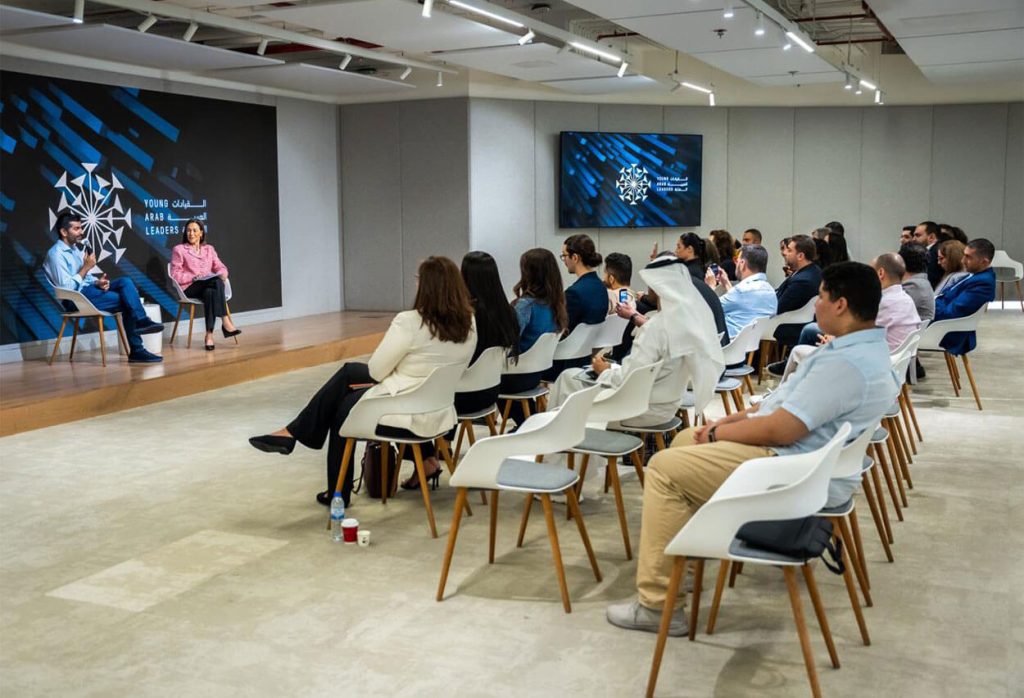
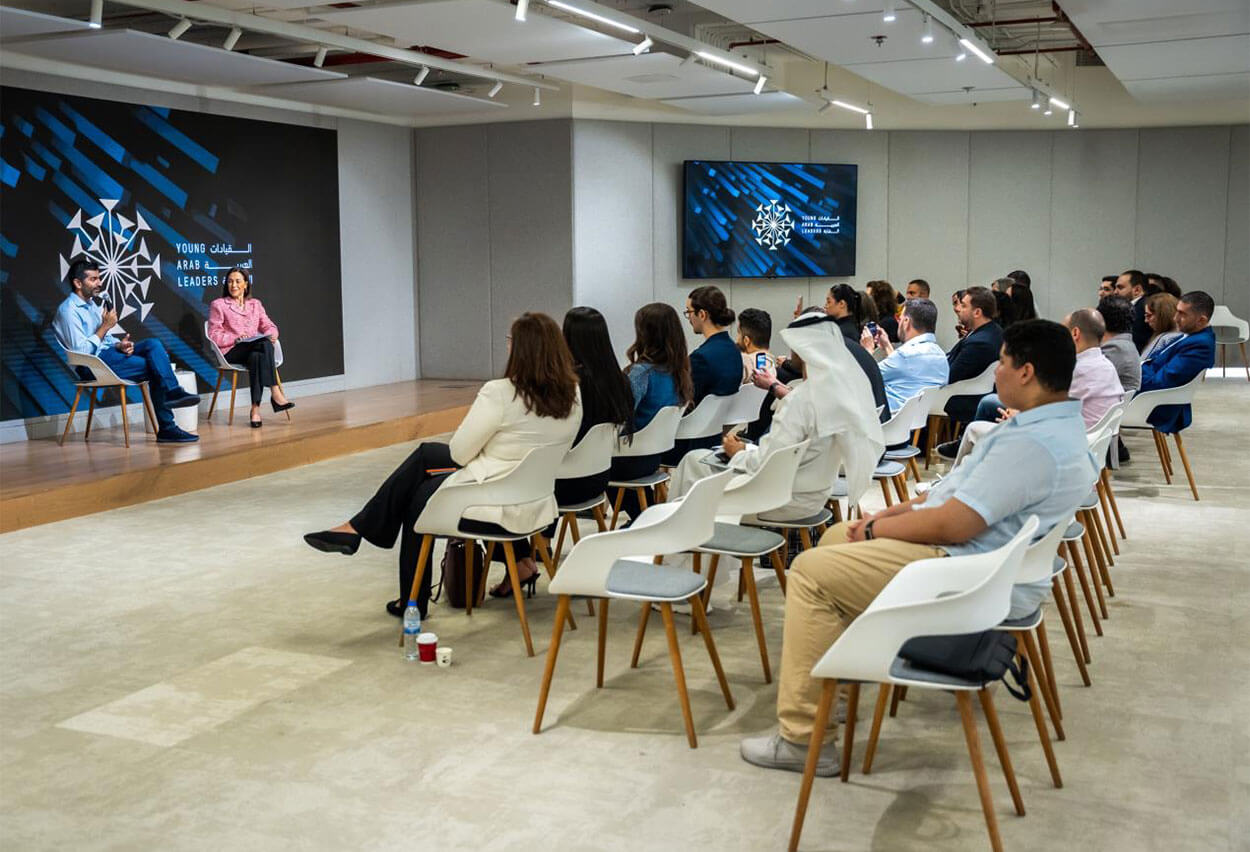
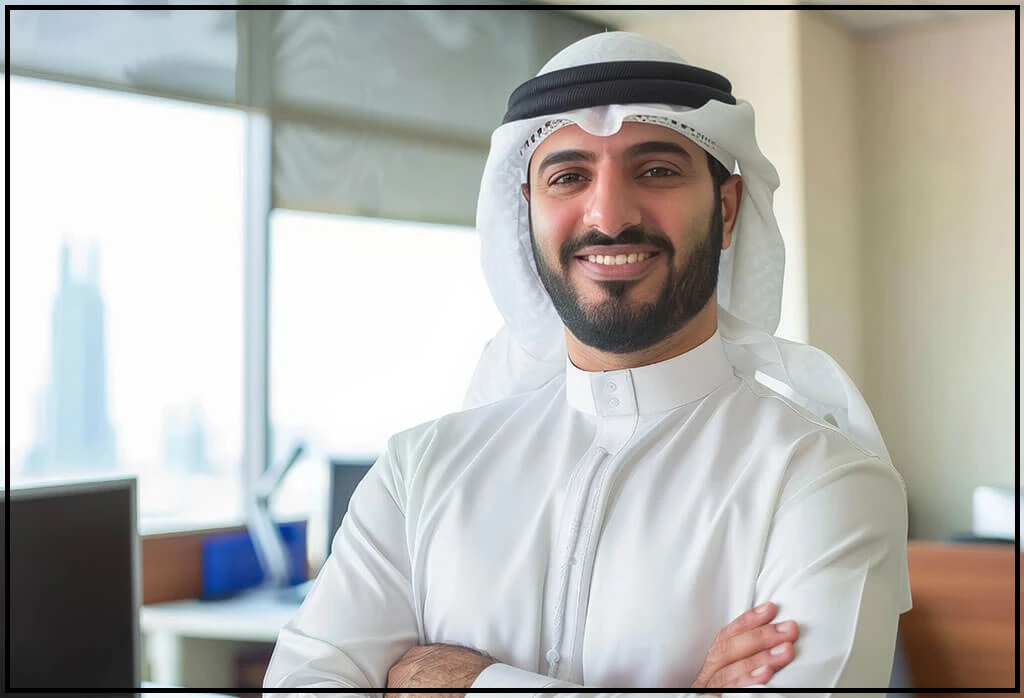


The format was a conversation, not a lecture. Ataya, who built one of the region’s best-known e-commerce brands, pushed Sheikha on what actually holds up when markets move and plans break. That matters to this audience. Many of them run companies, lead teams, or are about to. They want the parts that transfer, not the highlight reel.
Careem CEO Mudassir Sheikha has his own version of this story. He co-founded a ride-hailing startup in 2012 and watched it grow into a regional platform used by millions. Along the way, he dealt with scale, competition, and an acquisition. So when the topic is steadiness under pressure, he speaks from the inside of it.
Khalfan Juma Belhoul, Chairman of Young Arab Leaders, said: “Today’s Arab youth possess the ambition and capabilities to play a pivotal role in shaping the future of our region. Initiatives such as Young Arab Leaders bring together young leaders, entrepreneurs and changemakers through a dynamic regional network that enables them to exchange experiences and ideas, and build partnerships that turn challenges into opportunities.”
Why young Arab leadership keeps showing up in these rooms
Here is the thread worth pulling. The session was not a one-off. It fits a wider push by Young Arab Leaders to put its Board Members in front of members, region by region, around subjects those members actually care about. Leading during uncertain times is one of them.
The reason is simple. The region’s economies are trying to adapt to global shifts, and the people expected to steer that adaptation are often young. Strengthening young Arab leadership is less about a slogan and more about who ends up making decisions when the ground keeps moving. YAL frames its young members as central to that, and sessions like this give them live access to people who have already navigated it.
Mudassir Sheikha, Co-Founder and CEO of Careem, said: “Young Arabs have the ambition and determination to achieve the impossible. My advice to young Arab leaders is to shoot for the moon every single time, take big risks with optimism, without allowing obstacles or challenges to hold them back. We must support their efforts and empower them to contribute to building their nations and shaping their future.”
What members get out of the network
Access is the product. The YAL network membership now runs past 600 members across the region, and the group’s pitch is steady contact rather than a single event. Members connect, trade experience, and build working relationships that outlast any one talk.
These gatherings double as a scouting ground for what is coming next. The challenges, the openings, the problems nobody has solved yet. Pulling in Arab business leaders like Sheikha gives members a shortcut: lessons that took years to earn, delivered in an afternoon. That is the quiet value of a room like this.
Mona Ataya, Member of the YAL Board, said: “Our region needs entrepreneurs with the ambition to build ventures and companies that can transform how millions of people live and work. It was a pleasure to join Mudassir Sheikha for this discussion and highlight his inspiring journey, his success, and his resilience in overcoming the challenges entrepreneurs face across the region.”
Who Young Arab Leaders is, and how to join
Young Arab Leaders is a regional network that gathers entrepreneurs, decision-makers, and leading figures from different sectors. The goal it sets for itself is to prepare the next wave of Arab leaders through learning, networking, and knowledge exchange, and to widen their role in shaping where the region goes.
If you want in, the path is open. Anyone interested in joining Young Arab Leaders can apply for membership through the official website at www.yaleaders.org. For young professionals who want a seat near people like the Careem CEO, that application is the first move.