


A sharp revision to Saudi economic growth by 2027
The World Bank has set its projection for Saudi’s economy growth by 2027 at 7.9 percent, a steep upward revision that shows how fast the region’s largest economy is expected to recover. That figure lifts the earlier World Bank Saudi forecast by about 3 percentage points, up from the 4.9 percent growth projected in April. A change of this size within a few months reflects the unusual swings now shaping Gulf output.
The revision runs in two directions at once. For the current year, the bank cut its view of Saudi real GDP, moving from an April forecast of 3.1 percent growth to a projected 2 percent contraction. That gap reaches 5.1 percentage points, a measure of how far conditions shifted inside one reporting cycle. A contraction now followed by near 8 percent growth next year points to a sharp, uneven path rather than steady expansion.
The conflict behind the GCC economy forecast for 2026
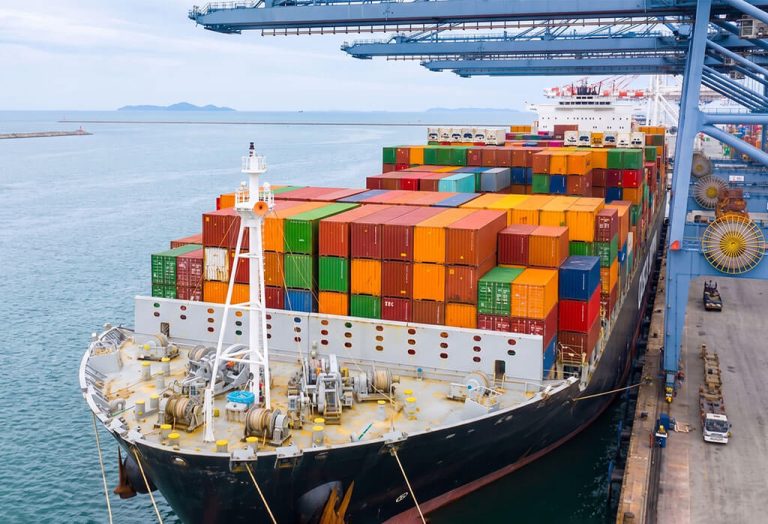
The bank’s wider read on the region frames the Saudi numbers. Its GCC economy forecast for 2026 points to a 4.3 percent contraction in the combined gross domestic product of the six member states. That decline tracks sharp drops in hydrocarbon production and exports after the closure of the Strait of Hormuz, with further strain across tourism, logistics, and aviation. The bank noted the damage fell mainly on Gulf economies, though the depth of the hit varied from one country to the next. Shipping lanes, damage to energy infrastructure, and the capacity to reroute cargo stood out as the factors that decided how far activity fell.

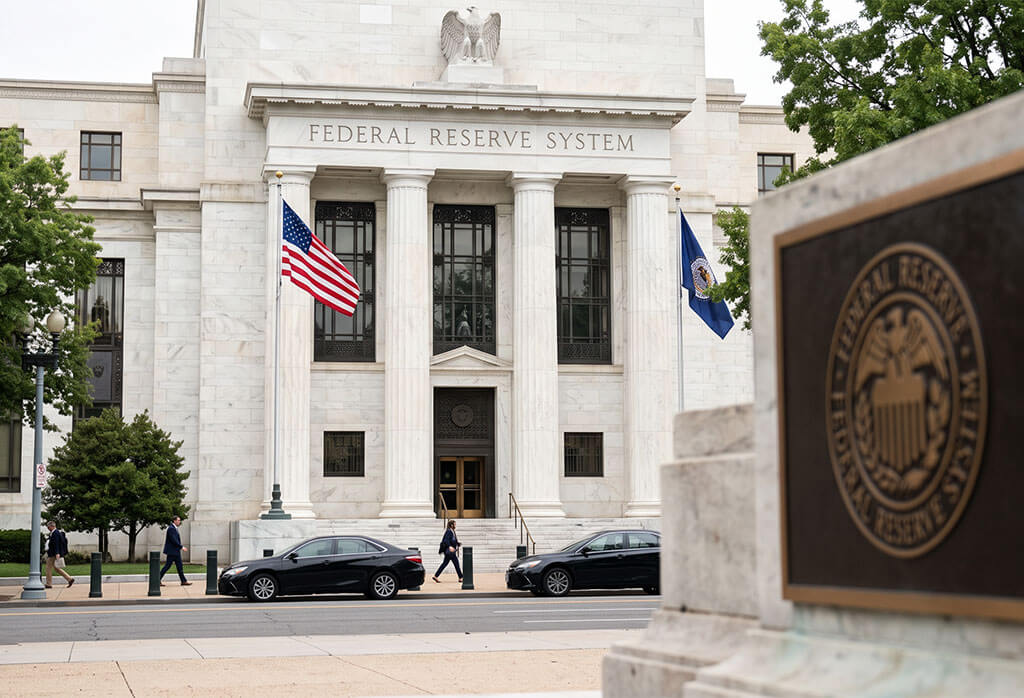
How oil exports moved around the Strait of Hormuz
Saudi Arabia held an advantage its neighbours could not match. Through the East-West pipeline, the Kingdom moved oil exports across the country to the Red Sea port of Yanbu, away from the blocked route through the Strait of Hormuz. That option gave Riyadh a way to keep crude flowing to buyers while the main Gulf corridor stayed shut. Infrastructure that predates the disruption, built for exactly this kind of bottleneck, shaped how the shock played out. The ability to redirect oil exports away from the Strait of Hormuz helps explain why the Saudi contraction this year reads as milder than the broader GCC figure.
A wider gap on Saudi GDP growth 2027
The official view sits well above the bank’s. In its 2027 budget statement, the Ministry of Finance projected real GDP growth of 12.8 percent, against a decline of 3.6 percent this year. The World Bank’s 7.9 percent reading on Saudi economic growth by 2027 falls short of that target by a wide margin. Those two figures for the current year also differ, with the ministry’s 3.6 percent decline set against the bank’s 2 percent contraction.
Gaps of this size are common when a national budget and a global lender model the same recovery, since each weighs oil prices, output limits, and the pace of the rebound differently. For now, the direction is shared even where the scale is not. Both expect a steep drop this year and a strong return the next.
What the rebound depends on
The projected swing rests on conditions that remain outside the Kingdom’s control. A recovery near 8 percent assumes hydrocarbon output and exports return to normal and that the Gulf’s main shipping routes reopen. Energy infrastructure and the security of regional waters will shape whether the figure holds or moves again. The scale of the recent revision shows how quickly projections for Saudi economic growth by 2027 can change when a single corridor closes.