
Muse Spark by Meta enters public view as a smaller model with a focused job today. Meta says this release supports stronger reasoning across science, math, health, and daily requests. Inside the Meta AI app, users now get faster support for simple prompts. Users also receive more organized help for harder tasks needing several steps and comparisons. Meta describes a system where separate agents work together on one request simultaneously. A family trip prompt shows this idea through planning, destination comparison, and activity research.
This setup gives users broader answers without forcing long back-and-forth conversations. From my standpoint, this release matters because product design now centers on practical use.
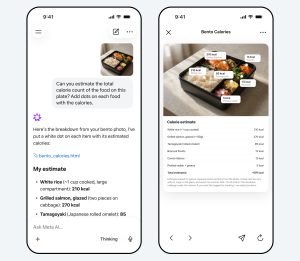
Muse Spark by Meta also leans hard into multimodal AI for real-world questions. A user snaps a shelf photo, then asks which snacks offer more protein. The system reads packaging details, compares options, and returns a ranked answer quickly. This shift moves the AI assistant beyond typed prompts toward direct scene understanding. For many users, visual support saves time during shopping, travel, and everyday decisions. Meta also links this progress with future support inside connected smart glasses products.
Source: Meta
Muse Spark by Meta and stronger help for daily decisions
Health questions hold a central place within this release and product message. Meta says people often ask AI tools for health guidance during uncertain moments. To improve responses, Meta worked with physicians while shaping this model behavior.
The result brings more detailed replies for common concerns, including image-based questions. Charts and visuals now fit more naturally into those health-related exchanges. Such support still needs careful reading from users facing urgent medical situations. Yet better structure and clearer language improve the value for routine questions significantly. This focus shows Meta wants broader trust, not only technical praise from developers.
Another major angle involves visual coding inside the Meta AI app environment. Users prompt simple websites, themed dashboards, mini games, and playful interactive experiences. Examples include party planners, arcade projects, and lightweight flight simulations for sharing. Visual coding opens an easier entry for people without formal software experience or training. Such features also widen appeal beyond chatbot answers toward creation and experimentation. For creators, quick prototypes shorten idea testing and help teams review concepts faster. For younger audiences, playful outputs increase curiosity around design and logic basics. Meta positions this feature as a bridge between ideas and usable digital results.
Muse Spark by Meta expands shopping and creative support
Shopping support also enters focus through creator-inspired discovery across Meta platforms. Users ask for outfit ideas, room styling help, or gift suggestions for friends. Meta connects those suggestions with trends and stories already visible inside its apps.
This approach gives shopping advice a more social feel than standard search results. Brand voice, community tastes, and creator examples shape recommendations inside each answer. For Meta, such product direction links AI growth with existing platform strengths.
For users, value depends on whether recommendations stay relevant, balanced, and easy to trust. Muse Spark by Meta looks like an early foundation, yet product ambition already appears broad. Meta Superintelligence Labs built this first model as a base for larger generations. A small, fast release often reveals product thinking more clearly than giant benchmark claims.
Here, Meta focuses on people-first support across reasoning, images, health, shopping, and creation. If future versions keep clarity and speed, the Meta AI app gains stronger everyday relevance.