


icnlive

Salma Al-Tamimi

Writer,

icn.live

Follow

Salma Al-Tamimi graduated with a degree in Journalism and Communication and has reported for ICN.live since 2025. Coverage focusing on Tech, Artificial Intelligence infrastructure, and cybersecurity in the Arab region. Her work bridges technical insight with public education.
Brunello Cucinelli's revenue growth

Brunello Cucinelli’s revenue growth reflects steady demand across the luxury fashion brand performance segment globally. The company reported total revenue of 369.1 million euros during the first quarter period. Growth reached 8.1 percent at current exchange rates and higher at constant currency levels. Retail sales delivered the strongest contribution with notable increases across global retail expansion efforts.

Wholesale channels also supported results with steady demand from premium partners across regions worldwide. This balanced growth shows stability in the fashion industry growth trends across multiple geographic areas.

The Americas region delivered the strongest performance with over twenty percent growth at constant exchange rates. Asia followed closely with strong demand supported by premium ready-to-wear collections in key cities. Europe maintained steady performance supported by flagship store expansions in major luxury destinations. Italy contributed a smaller portion, yet remained important for brand heritage and consistent domestic demand. Retail expansion in cities like London and Paris supported stronger brand visibility and customer engagement.

Key retail growth supports Brunello Cucinelli’s revenue growth worldwide

Brunello Cucinelli’s revenue growth depends heavily on its direct retail strategy and store network expansion. Retail revenue reached over 238 million euros, representing more than sixty percent of total quarterly sales. New boutique openings contributed to this growth alongside strong performance from existing retail locations globally. Florida saw new resort boutiques open in Boca Raton and Naples, targeting affluent seasonal consumers. Expansion into Wuhan added presence in China, which remains important for premium ready-to-wear demand.

Wholesale performance also improved with growth driven by specialty boutiques and strong partner relationships. Saks Global contributed positively with consistent orders and stable payment cycles since early January shipments. This channel remains essential for reaching customers in regions without direct retail presence from the brand. The balance between retail and wholesale supports resilience within the high-end retail market environment.


Regional demand highlights fashion industry growth trends across the luxury sector

Asia contributed nearly thirty percent of total revenue with strong demand across major luxury cities. The Middle East plays a smaller role yet shows a stable contribution driven mainly by local clientele. The United Arab Emirates stands out due to its strong retail presence within the regional luxury landscape. Other Middle Eastern markets rely more on wholesale partnerships to reach high-value customers effectively.

From my perspective, this performance confirms sustained strength in the performance of luxury fashion brands globally. Consumers continue investing in high-quality clothing, reflecting confidence in premium ready-to-wear segments. Global retail expansion combined with a strong brand identity supports continued growth across key markets worldwide. Brunello Cucinelli’s revenue growth highlights how strategic expansion and product focus support long-term success.
Bourbon demand downturn

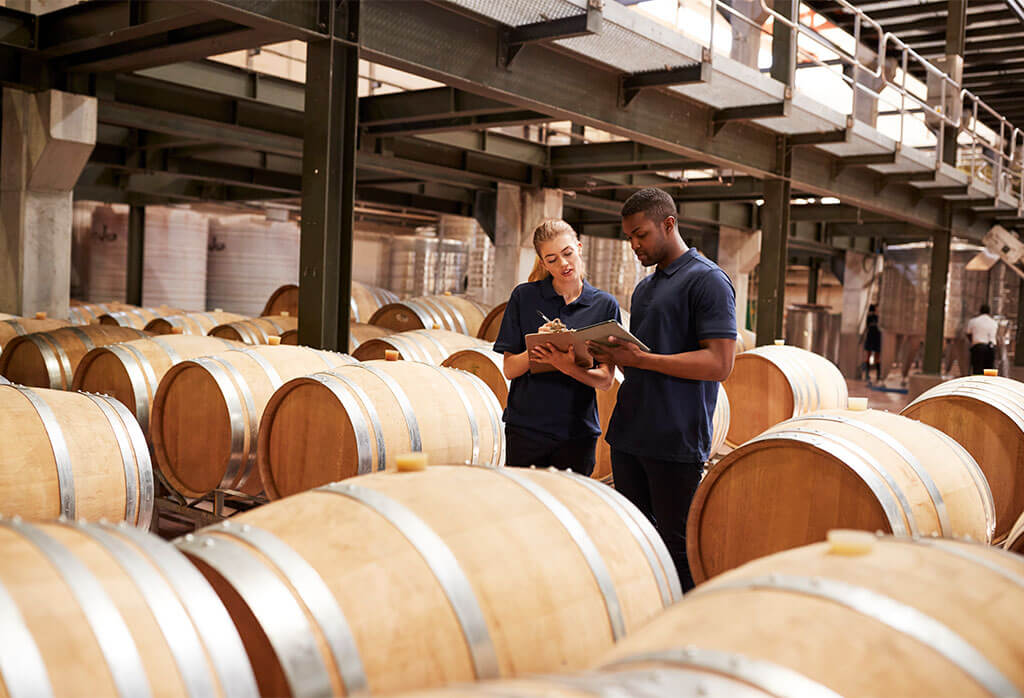
In 2025, Heaven Hill opened a 200-million-dollar facility with major new barrel capacity. That move reflects how whiskey ages for years, pushing leaders to place bets far ahead. When forecasts miss, warehouses fill, barrel orders stall, and workers face shorter production schedules. At the same time, tasting rooms stay busy, showing that whiskey tourism still supports local business activity. Many leaders blame a normal cycle after pandemic buying pushed sales above sustainable levels. Families facing higher rent, food, and insurance bills now spend less on premium bottles.

Younger adults also drink less often, changing older views about steady long-term growth. Those trends hurt bourbon exports, since foreign buyers face weaker growth and higher landed prices. The bourbon tariffs impact adds another strain because supply costs and market access both matter. Governor Andy Beshear argues that trade barriers raise costs and block new relationships in overseas markets. Some distillers disagree, saying inflation and forecasting mistakes hurt more than current tariff levels. Both views carry weight because bourbon planning starts years before each bottle reaches store shelves.

A company filling barrels today must guess future prices, demand, taxes, and shipping conditions. That long cycle explains why distillery expansion continues even during a visible market slowdown.

Bourbon demand downturn meets long-term expansion bets

Executives know older stocks support future sales only if fresh whiskey keeps aging right now. Stopping too sharply today risks thinner shelves later, once demand finds a healthier level. That logic helps explain major spending across the Kentucky bourbon industry through the next decade. Suppliers often feel the pain first because barrel orders drop faster than visitor spending. Cooperages then face growing backlogs, while trucking firms and grain sellers lose business volume. Local layoffs also spread concern across towns where distilleries anchor jobs and public revenue.

Yet whiskey tourism softens some pain, since tours, hotels, and restaurants collect outside spending. Visitors buy meals, book rooms, and support shops even when wholesale orders weaken. From my standpoint, the main problem is timing, not belief in bourbon itself today. Producers built for a boom, then found demand cooling before fresh investments paid back. Energy costs add new uncertainty, since conflict abroad often lifts fuel and freight expenses. Higher utility spending matters because distilling needs heat, storage, transport, and constant site maintenance.

In this setting, the bourbon demand downturn becomes both a business story and a political argument.

Why the next phase matters for Kentucky distillers

Democrats point toward trade policy, while many business owners stress cycles and consumer pressure. Voters hear both messages, yet daily living costs shape views more than policy details. For readers tracking distillery expansion, one lesson stands out: growth plans have not vanished. Instead, companies are stretching timelines, trimming output, and waiting for demand to steady. The next few years should show whether bourbon exports recover fast enough for today’s bets. Until then, distillers must protect cash, balance aging stocks, and keep visitor interest strong.