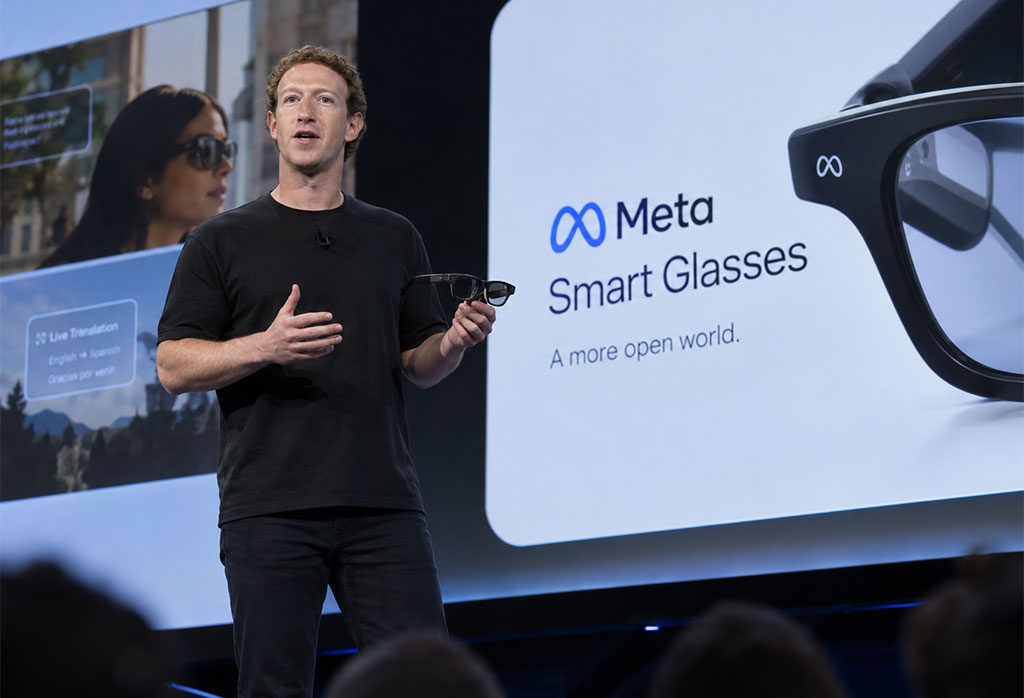



Meta’s Muse AI agent bet moved from an app to your whole day at Meta Connect 2026, and the company wants its assistant on your face, on your desktop, and inside your shopping cart. Chief executive Mark Zuckerberg used the Menlo Park event on September 23 to make the Meta Muse AI agent the core of its consumer AI plan, surrounding it with new glasses, a Mac app, and a keychain-sized gadget. Muse is only weeks old. It launched on September 8 and crossed 2.5 million downloads in under two weeks, hitting the top of Apple’s free app chart.
Muse everywhere, by design
Meta’s pitch is simple. Your agent should follow you across phone, computer, and glasses, handling the work you line up and carrying on after you step away. The company is widening what Muse can touch, adding Mac support so the agent can run desktop apps for you, on top of its handling of files, messages, and calendars. “You can walk away from your computer, and it keeps working for you,” chief AI officer Alexandr Wang said. That aims Muse squarely at OpenAI’s Codex and Anthropic’s Claude, the agents already fighting for the same job.


The Muse AI shopping agent picks a fight
Here is where the Muse AI agent bet gets interesting. Meta turned the Muse AI shopping agent into a commerce play, wiring in Walmart, GameStop, Gap, and Wayfair so you can tell Muse to browse and buy. Amazon said no, blocking the agent from its store, which makes the Walmart tie-up read like a direct shot. This is agentic commerce in the open, and the stakes are real. Meta plans to stay free for a large volume of use and earn a small fee on transactions instead. Early numbers show appetite with hesitation. Many shoppers have tried AI to shop; far fewer have let an agent check out for them. Trust is the gate.
Glasses, a puck, and the privacy problem
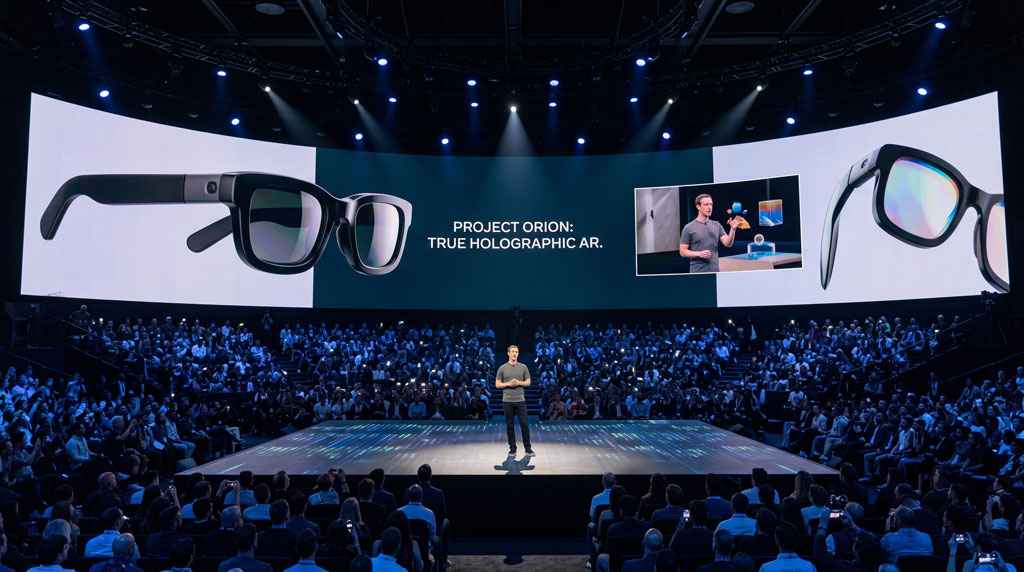
The hardware is where the Meta AI glasses story turns loud. Meta showed new VR glasses that it says weigh about as much as a deck of cards, built for watching, gaming, and calls rather than all-day wear. They cost $1,299 when they ship in spring, undercutting Samsung’s $1,700 Galaxy XR and Apple’s $3,700 Vision Pro. There is also Ray-Ban Meta Audio, the first camera-free pair, plus Muse Charm, a palm-sized keychain showing your agent’s avatar. The camera-free move answers a problem Meta created. Its earlier glasses drew heavy criticism for quiet recording, and the backlash has spread. Pop singer Lorde has spoken out, and venues from New York courtrooms to Australian pools to London pubs have restricted or banned the devices.
Why the Muse AI agent bet matters now
Investors leaned on Zuckerberg to show real AI products after heavy spending on talent and infrastructure, and Connect was the answer. The Meta Muse AI agent bet is the clearest sign yet that Meta thinks the next platform is an assistant you talk to, not an app you tap. Shares climbed after the retail news, trading near record territory.
My read: the technology is ready before the trust is. Muse can shop, run your Mac, and sit on your face, but the distance between downloading an agent and handing it your card is wide, and privacy scars make glasses a harder sell. Meta is betting it can close that distance faster than anyone. Watch whether people let Muse spend their money. That one number tells you if this bet pays off.