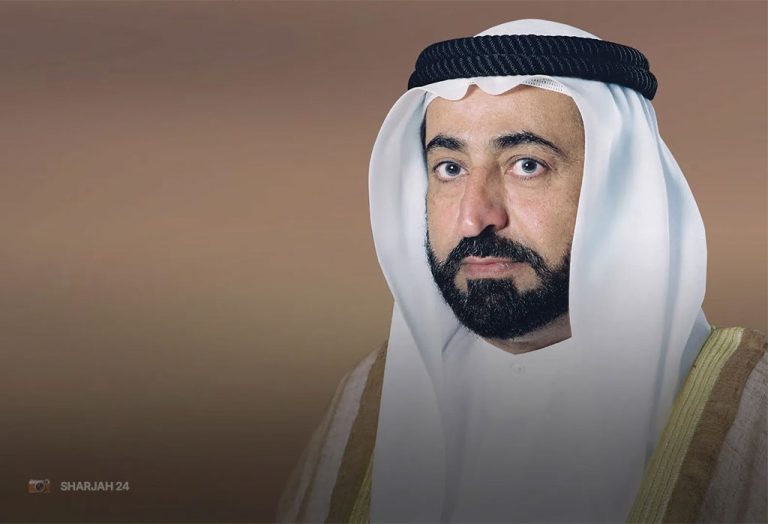



IMF boss on global economic crises warned readers about slower growth, higher debt, and stubborn energy costs. The new message placed the EU under sharper focus after a deep cut in 2026 output expectations. Such a weak reading signals pressure on jobs, wages, credit demand, and household planning. Kristalina Georgieva described a world economy facing several shocks at the same time.
Her message linked war risks, supply strains, debt burdens, and inflation across major regions. For the EU, the downgrade matters because weaker output usually reaches families through daily expenses. Banks, employers, and public agencies all read such forecasts when planning budgets and hiring. Public debt risks now matter more because governments carry less room for broad relief programs. Higher debt also leaves countries exposed when interest costs rise for several years.
Georgieva argued governments should target help toward vulnerable groups instead of universal subsidies. Her warning focused on choices that look popular today yet create longer pain tomorrow. Large fuel tax cuts or export curbs often distort markets and delay adjustment. Those steps may ease anger early, yet they keep shortages and mispricing alive.
IMF boss on global economic crises points to lasting pressure
Energy price pressure still hurts transport, industry, food chains, and monthly family budgets across Europe. The EU feels part of this strain through imported costs and weaker demand abroad. When firms face higher power bills, margins shrink, and investment plans often move later. When households face pricier heating and transport, spending shifts away from other needs. Fiscal reform policy has moved higher on policy agendas as borrowing costs stay elevated. Officials need better tax collection, tighter spending choices, and smarter public investment selection.
Productivity also matters because stronger output gives governments more revenue without harsher tax moves. Georgieva said durable growth offers the best shield against future shocks and market stress. My analysis indicates households face longer pressure when growth slows before prices and rates settle. This message also speaks to investors watching budget discipline and rule stability. The financial stability outlook also looks weaker when debt grows faster than national income.
Markets usually reward credible plans that combine restraint, reform, and clearer medium-term targets.
What EU households and firms should watch next?
Readers should watch inflation trends, wage growth, energy contracts, and state borrowing costs. Each indicator offers clues about spending power, business hiring, and credit conditions ahead. Firms need tighter cash planning while demand stays softer across Europe. Exporters also need flexibility because foreign clients often delay orders during uncertain cycles.
Families may prefer stronger savings buffers while prices and loan rates remain uneasy. Policymakers now face a narrow path between relief, discipline, and growth-friendly reform. FMI signaled continued help for countries under severe stress through loans and technical guidance. Georgieva described that role as emergency support for economies under heavy strain. For the EU, the clearest lesson involves steady reform before pressure becomes harder to manage. Slower growth does not guarantee a crisis, yet complacency would raise national costs sharply.