

icnlive

ICN.live

  • DIEZ introduced flexible steps to support partner firms across Dubai free zones today.
  • The package eases costs, improves liquidity, and supports business continuity during regional pressure.
  • Companies receive added room for restructuring, licence updates, and smoother compliance management.
  • The move supports Dubai’s economic goals and strengthens progress under the D33 agenda.

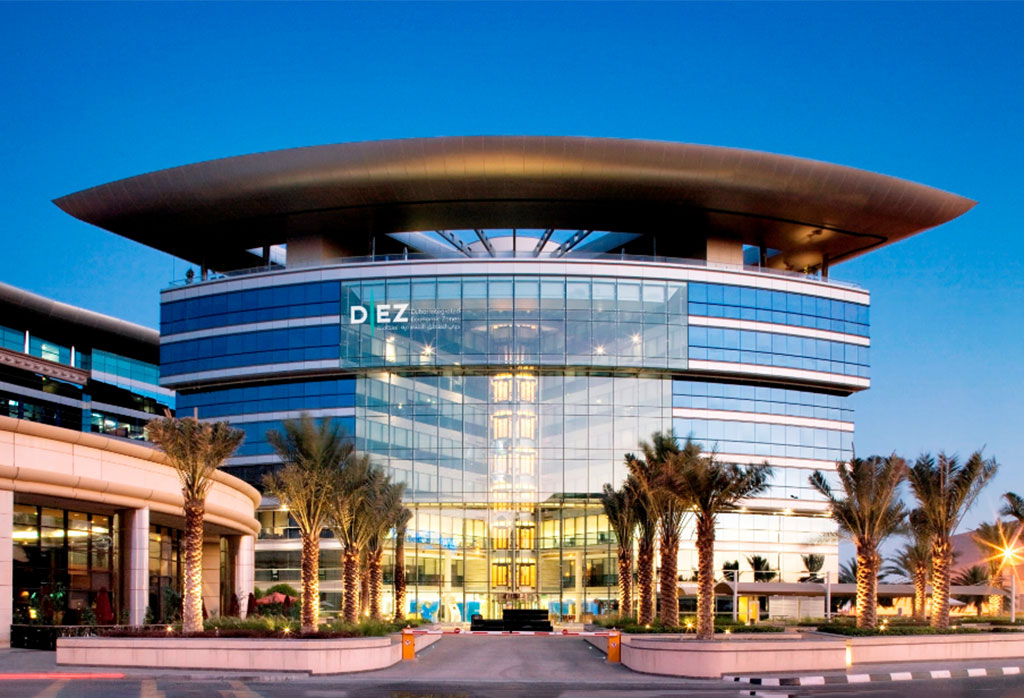
DIEZ sets new economic measures to support companies facing pressure across Dubai free zones today. The new package covers Dubai Airport Freezone, Dubai Silicon Oasis, and Dubai CommerCity from now. The authority wants stronger business continuity while regional conditions place extra strain on planning. Officials also want firms to keep moving, protect cash flow, and maintain daily operations.

This step fits wider goals for the Dubai economy and long-term investor confidence. DIEZ said the package supports a stable setting where companies adjust faster during change. The plan also backs operational resilience for firms working across trade, technology, logistics, and services. Leaders in Dubai often link practical support with stronger growth during uncertain periods.

In this case, DIEZ focused on cost relief and better flexibility for partner businesses. The authority said rental rates will stay stable during contract renewals under current circumstances.

Selected administrative charges will also disappear for a temporary period across the zones

Late licence renewal penalties will stop until conditions improve and business pressure eases. These decisions give firms more room to meet obligations without extra financial stress. Rent payment rules also changed, giving companies monthly instalments without added instalment fees. This part matters because liquidity often decides whether firms keep staff and operations steady. As I see it, this package targets immediate needs instead of offering broad promises.

The package also gives companies extra room to reshape ownership and internal structures. DIEZ deferred shareholder amendment fees for three months to reduce near-term expenses. Fees tied to company restructuring and authorised capital changes also received temporary waivers. These changes help firms reorganise faster when market needs shift across sectors.

Business continuity support across Dubai free zones

Licence activity amendment fees also received a three-month deferral under the package. This gives companies more freedom to expand, narrow focus, or enter related activities. Such flexibility matters when firms need quick responses to customer demand and supply changes. The measures support operational resilience because management teams gain more options with lower costs. For many businesses, timing matters as much as the size of the relief.

Quick decisions on rent, compliance, and structure often shape survival during difficult periods. The authority linked the initiative to Dubai’s long-standing support for the business community. Officials said the package reflects leadership goals for practical action and market stability. They also tied the measures to the D33 agenda and Dubai’s investment ambitions. That link matters because investors watch policy signals during periods of regional stress. When authorities ease burdens quickly, firms often view the market as responsive and dependable.

This response strengthens trust in the Dubai economy and supports future expansion planning.

Why DIEZ sets new economic measures matters now

The wider message reaches beyond fee reductions and delayed payments for current contracts. DIEZ wants a business environment where firms stay active and prepare for future growth. That approach supports Dubai free zones as competitive locations for regional and global operations. It also helps existing companies protect momentum instead of delaying decisions for long periods.

The package sends a clear signal that public institutions are tracking business needs closely. For partners inside DIEZ zones, the support offers breathing room during an unsettled phase. For Dubai economy planners, the move supports confidence, continuity, and stronger market competitiveness. DIEZ sets new economic measures with a clear purpose, to keep businesses stable and ready.


TAGS

EXPLORE MORE ON:

Midterms Hub by Kalshi

The Midterms Hub by Kalshi gives you one place to watch how traders expect the 2026 elections to end. Kalshi is a prediction market platform. A prediction market lets people buy and sell contracts tied to a real event, so the price reads like live odds. The company opened the hub on Wednesday.

What the Midterms Hub by Kalshi shows

Open the page, and you see a map of the country. Each race carries a number, the current 2026 midterm election odds from Kalshi’s traders. The map covers individual Senate and House contests, plus several governor races. All 435 House seats are on the ballot this November, along with 35 of the 100 Senate seats. You can also check polling averages next to the market odds, which lets you compare two very different ways of reading a race. The hub adds the latest federal fundraising reports for candidates and a feed of curated news and analysis.

Most of the traffic is not from bettors. Kalshi said about three-quarters of its visitors come only to check current odds and never trade. That is the audience the hub targets, readers who want the data without placing money. The Midterms Hub by Kalshi gives them a single, plain view of every race.

Why prediction markets, not polls

Kalshi’s pitch leans on a simple idea. When people risk real money, they tend to say what they think will happen, not what they hope will happen. CEO Tarek Mansour argued in a statement that prediction markets resist spin and partisanship, showing what the crowd believes when real money is on the line. “That kind of clarity is rare right now, and that’s what people are getting with the Midterms Hub,” Mansour said.

Mansour studied at MIT and worked as a trader at Citadel and an analyst at Goldman Sachs. His argument is that market prices resist political bias better than surveys. Polls capture one moment, while market prices move all day as news breaks. That claim is contested, and polls and markets often disagree, so the hub shows both side by side.

A bigger political push

The Midterms Hub by Kalshi is the newest step in the company’s move into politics before November. In May, Kalshi rolled out the American Power Index, which it called an “S&P 500” for politics. The index tracks which party is up and which is down. Kalshi runs as a federally regulated exchange in the United States, where insider trading and market manipulation are illegal.

Money already in play

Interest in these platforms tends to climb during big elections. Many observers expect the 2026 midterm season to bring another jump in prediction market volume, much like the 2024 presidential race did. The money is already moving. More than $30 million has been traded on contracts tied to Senate and House control for 2026.

If you want to compare sources, you have options. Some readers track Kalshi vs Polymarket odds to see whether two markets land on the same number. When both agree, the read tends to feel firmer. For now, the Midterms Hub by Kalshi keeps that election forecasting in a single spot, alongside the polling, money, and news around each race.

Buy Now Pay Later

Buy Now Pay Later records from Tabby and Tamara will enter UAE credit reports from July 2026, changing how lenders read the finances of people who split payments into instalments, WAM announced today. Etihad Credit Bureau, the federal body that oversees credit information in the country, said the accounts of both current and new customers will be covered, along with relevant historical transactions. The move brings a fast-growing corner of consumer finance under the same reporting rules that already apply to loans, cards, and mortgages.

Buy Now Pay Later plans once sat outside the formal record. A shopper could hold several active instalments without any of them showing on a UAE credit report. That gap made it harder for banks to gauge how much a borrower owed. Now the picture becomes fuller.

Who governs the data?

The question behind this shift is not only about spending. It is about who holds the record and who answers for it. Etihad Credit Bureau sits at that centre, and its decision places two of the region’s largest fintech names, Tabby and Tamara, inside a regulated framework rather than beside it.

The Central Bank of the UAE recognised instalment schemes as a form of short-term credit in 2023. Under those rules, providers must check a borrower’s credit report once a total credit limit passes 5,000 dirhams. Late fees on these plans are capped at 30 percent of the purchase under central bank rules, and the plans carry no interest. Adding instalment data to the file makes that check sharper. Lenders and authorised entities can weigh a person’s full set of commitments before they approve more.

Marwan Ahmad Lutfi, Director General of Etihad Credit Bureau, said the Bureau wants credit reports to reflect the way consumer finance now works, with a broad view of what a person owes. His framing puts governance first. Better data, he argued, supports steadier decisions across the system.

Does BNPL affect credit score?

A common question among shoppers, does BNPL affect credit score, now has a firmer answer. Missed instalments could lower a score, while steady repayment could help build one. The UAE credit score runs from 300 to 900, and the report behind it is what lenders read to explain the number.

Hosam Arab, CEO and Co-founder of Tabby, said responsible lending starts with a clear view of a person’s money, and that customers who pay on time can now let that record count toward their wider standing. Sagar Shah, General Manager for Tamara in the UAE, tied the step to trust, saying it widens the door for more people to take part in the financial system.

What it means for the BNPL UAE market

The buy now pay later UAE market has expanded quickly as shoppers reach for interest-free instalments on everyday purchases. Bringing that activity into the credit file rewards discipline and exposes strain earlier. For new-to-credit customers, a clean instalment history can open a path toward loans and cards that once stayed out of reach.

Etihad Credit Bureau framed the addition as part of a longer effort to work with banks, fintech firms, and other data providers. The aim, in its account, is a credit system that sees more and misses less.

Besiktas' offer for Mohamed Salah

Besiktas’ offer for Mohamed Salah now rests on a single decision, with the Istanbul club setting a 24-hour window for the Egyptian forward to reply. The proposal runs across two seasons and reflects a level of spending rarely seen in the Turkish Super Lig. According to a report carried by beIN Sports, the club put forward a guaranteed annual salary of €15 million, along with performance bonuses of around €4 million. The agreement is also said to include clauses covering image rights. These figures come from Turkish media, and neither side has confirmed them in public.

What do the numbers show?

If every incentive triggers, Salah’s yearly income could climb to between €19 million and €20 million. Across the full term, that would take the total Mohamed Salah Besiktas contract commitment past €40 million. Reports describe the guaranteed figure as a net €15 million, a request Salah’s side raised early in the talks. The Salah salary on the table would place him among the highest earners in the league by a wide margin. Besiktas appears ready to absorb that cost to bring in a forward of his standing.

The Mohamed Salah Liverpool departure earlier in the summer sent one of the game’s most productive forwards onto the open market. His nine-year spell at Anfield brought more than 250 goals and a full set of domestic and European honors. That record explains the interest that followed his exit. Salah’s free agent status removed any transfer fee from the picture, which widened the field of possible destinations and shaped the terms now under review.

Rival interest in the background

Before the Turkish talks advanced, Salah drew interest from the Saudi Pro League and from clubs in Major League Soccer, according to widely reported accounts. Those options let the 34-year-old weigh location, level of competition, and long-term plans against the Istanbul proposal. For now, reports place Besiktas as the most concrete of the suitors. Besiktas’ offer for Mohamed Salah reaches a deadline.

After the financial package landed, attention shifted to Salah and his agent, Ramy Abbas, as Besiktas waited for a final answer. Journalist Sercan Dikme reported the two sides had moved forward on several points before the club asked for a clear response within 24 hours. Club president Serdal Adali framed the proposal as the club’s final offer and said Besiktas weighed each requested change against its own interests. Besiktas’ offer for Mohamed Salah carries a firm timeline, and Adali told Turkish media the decision now sits with the player. That deadline points to Monday evening.

What the Besiktas transfer means

For a club measuring itself against Galatasaray and Fenerbahce, adding Salah would signal clear intent. The latest Besiktas transfer news suggests the gap between the two sides narrowed through repeated rounds of talks. Besiktas has worked to build a stronger front line, and a forward with Salah’s output would change the club’s attacking shape. Whether Besiktas’ offer for Mohamed Salah closes will depend on how the forward reads the choice in front of him. A response is expected soon.

Share this post

on your favourite social platforms

or copy the link