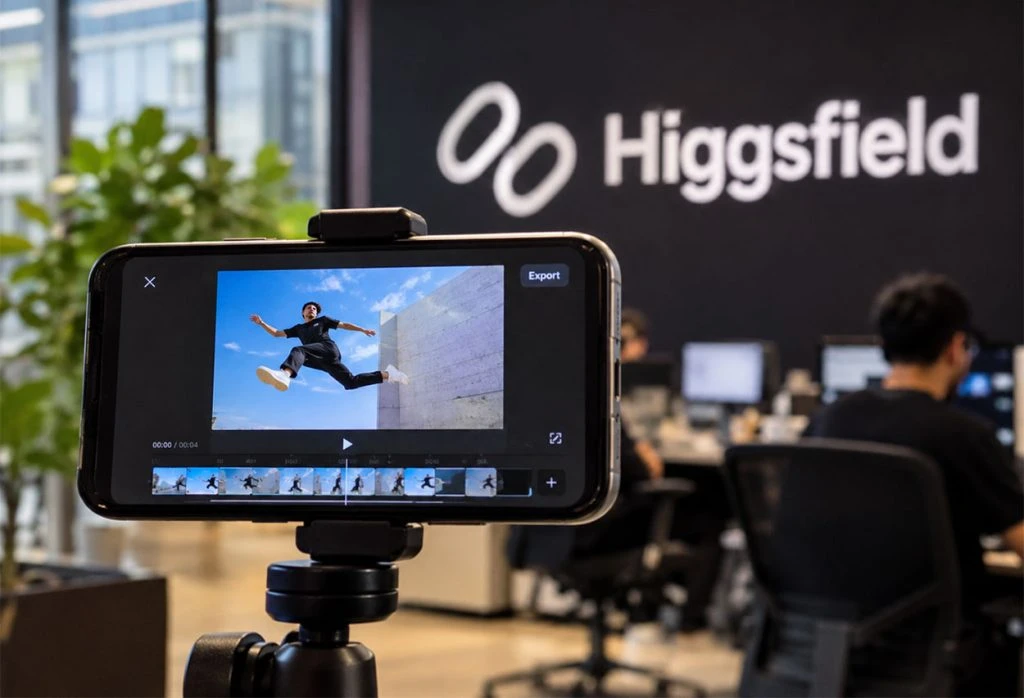
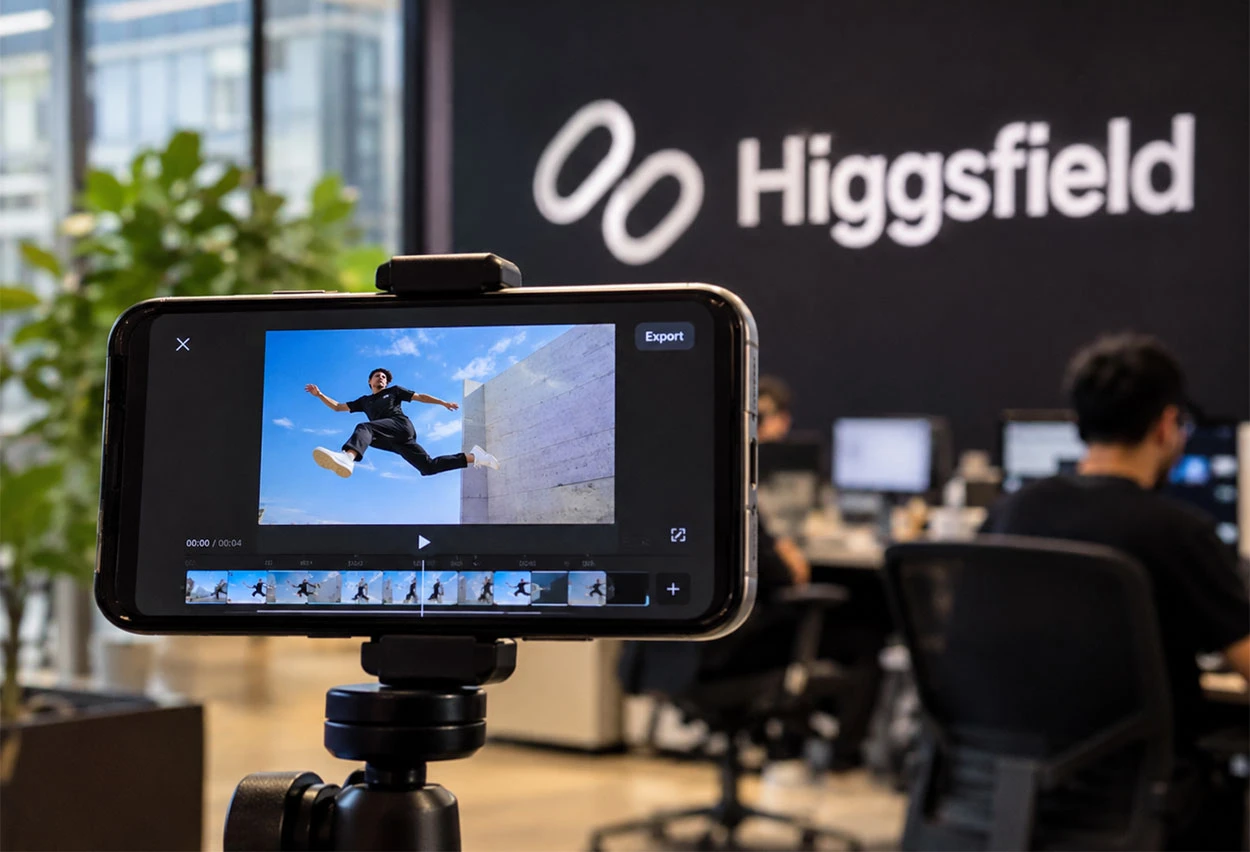
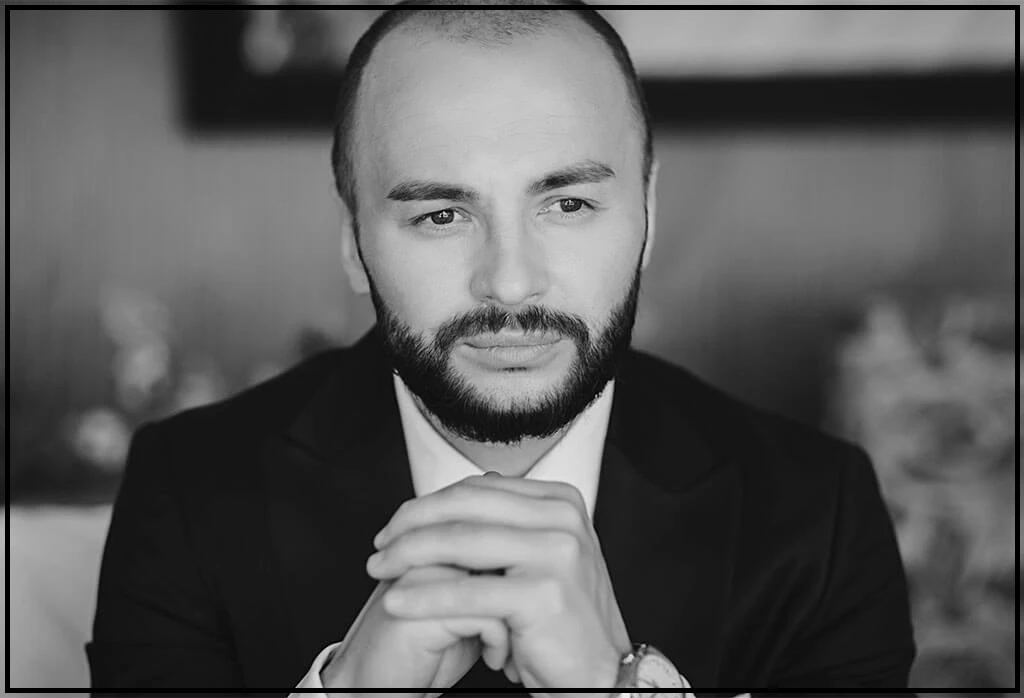


Founded in late 2023 by former Snap Head of Generative AI Alex Mashrabov, Higgsfield AI has rapidly emerged as a premier multi-model orchestrator for commercial video production. Rather than forcing marketing teams and creative agencies to juggle disparate generative portals, the platform unifies native engines like Seedance alongside frontier third-party models including Google Veo, OpenAI Sora, and Kling within a single directorial workspace.
This model-agnostic architecture resolves critical enterprise bottlenecks, specifically character drift and prompt variance, that historically prevented generative video from scaling in commercial pipelines. Backed by $130 million in venture capital from Menlo Ventures, GFT Ventures, and Accel, Higgsfield achieved cash flow positivity in mid-2025 before surging to a $1.3 billion valuation in January 2026.
Going from zero to scale in just 15 months, the company now commands a reported annual recurring revenue (ARR) run rate approaching the $400 million to $500 million range. By decoupling the creative interface from foundational model providers, Higgsfield gives enterprise brands the agility to route prompts across competing engines seamlessly while maintaining strict visual consistency across multi-shot commercial campaigns.
Disrupting Agency Economics with a 10x Throughput Advantage
The primary catalyst behind Higgsfield AI’s rapid enterprise adoption is aggressive cost displacement in performance marketing and direct-to-consumer (DTC) advertising. Sourcing traditional DTC video ad assets through conventional creator agencies typically costs between $99 and $220 per deliverable, creating steep financial friction when testing multiple creative hooks. Higgsfield compresses the effective rendering cost of a finished 30-second localized video ad to roughly $9.00 to $11.00, unlocking a 10x throughput advantage for growth teams.
Beyond unit economics, the platform replaces unpredictable text-prompting with deterministic production controls. Its Cinema Studio provides parametric sliders for dolly, tracking, and crane camera paths alongside custom focal lengths and 30-second shot extensions. Meanwhile, the proprietary Soul ID system locks in facial geometry across varied lighting and environments, eliminating identity drift across complex storyboards.
Combined with the 3D Jutsu spatial canvas for pre-render lighting and camera placement, creative directors can execute studio-grade pre-visualization, e-commerce visual merchandising, and automated social video pipelines without physical production overhead.
Monetizing Compute Through Tiered Credits and Enterprise Seats
To align platform revenue with underlying GPU compute demands, Higgsfield operates a transparent digital credit ledger across both individual and enterprise tiers. Rendering costs scale dynamically based on model complexity and resolution: static product images via Nano Banana Pro consume just 2 credits, standard 5-second clips on Kling 2.6 or 3.0 require 5 to 8 credits, and 4K production-grade shots on Seedance 2.0 or Kling 4K demand up to 110 credits.
Frontier model passes using Google Veo 3.1 or OpenAI Sora 2 range between 40 and 70 credits per 5-second generation. Commercial accessibility spans four subscription tiers, starting at $9 per month for Basic access (120 credits) and scaling through Pro/Plus ($23/month billed annually for 600 credits) and Max/Ultra ($59/month billed annually for up to 3,000 credits and priority Soul ID queues). For corporate marketing departments, the Team/Scale enterprise tier begins at $62 per seat monthly with 5,400+ pooled credits, rollover allowances, similarity scoring, and dedicated SLA guarantees—turning variable AI compute into predictable operational expenditure.