
For forty years, the blueprint for economic dominance in the Middle East was forged in concrete and steel. The metric of success was vertical—how high the towers reached, how massive the man-made islands spread. Capital was visible. It cast long shadows across Sheikh Zayed Road.
But a silent, profound pivot is currently underway inside the boardrooms of the UAE’s sovereign wealth funds and apex corporations. The physical city has been built. The next frontier is the invisible one. Dubai is no longer simply expanding its footprint; it is fundamentally rewriting its underlying economic algorithm.
The Migration of Capital
Walk into the headquarters of any major regional investment firm today, and the conversations have shifted dramatically. Real estate and traditional hospitality—once the undisputed kings of the portfolio—are increasingly viewed as legacy assets. The smart money is aggressively hunting a new class of yield: compute power, data sovereignty, and artificial intelligence infrastructure.
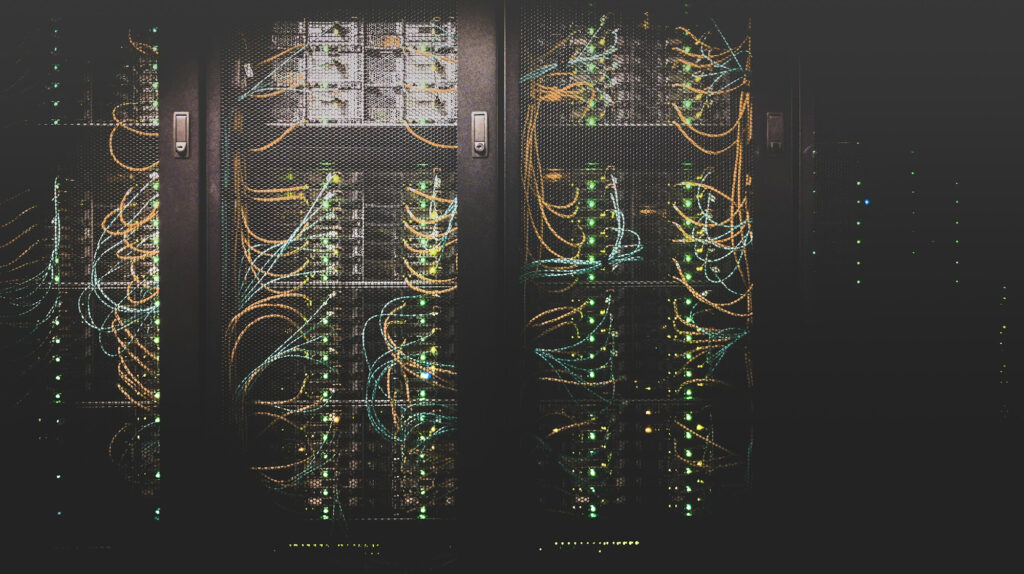
This isn’t merely a speculative tech bubble. It is a calculated state-level strategy. With the rollout of massive open-source models like Falcon, the UAE has signaled that it intends to be a producer of AI, not merely a consumer of Western technology. This requires an astronomical volume of data centers—facilities that consume more electricity than small neighborhoods.
The End of the Old Guard?
Does this mean the death of traditional real estate? Far from it. But the nature of the development is changing. Future mega-projects will be evaluated not by their architectural ambition, but by their technological integration. Buildings that cannot act as nodes in a broader smart-city network will quickly depreciate in value.
As the global economy reorganizes itself around algorithms, the cities that control the code will control the capital. The race is no longer to the sky; it is to the silicon.