


The Etihad Rail official launch brought the UAE national rail network into full passenger service, opening the operator’s Dubai Station and starting scheduled trains between Abu Dhabi, Dubai and Fujairah from 30 September 2026. President His Highness Sheikh Mohamed bin Zayed Al Nahyan led the inauguration. He was joined by His Highness Sheikh Hamdan bin Mohammed bin Rashid Al Maktoum, Crown Prince of Dubai, Deputy Prime Minister and Minister of Defence, and by His Highness Sheikh Theyab bin Mohamed bin Zayed Al Nahyan, Chairman of Etihad Rail. The ceremony set a clear line of responsibility over a network the state has built as public infrastructure.
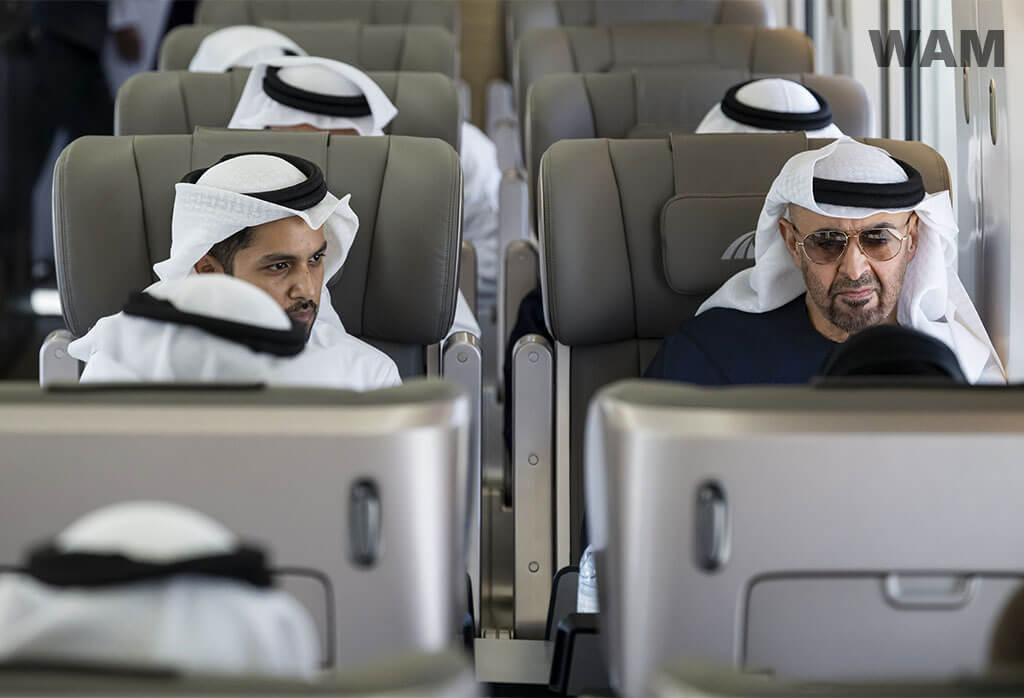
Before the event, the President travelled by train from the capital to Dubai. During the journey, he reviewed the operator’s national objectives and its passenger services. On arrival at the station, he met Emirati professionals working on the project and reviewed their contributions to it.
A new gateway opens in Dubai
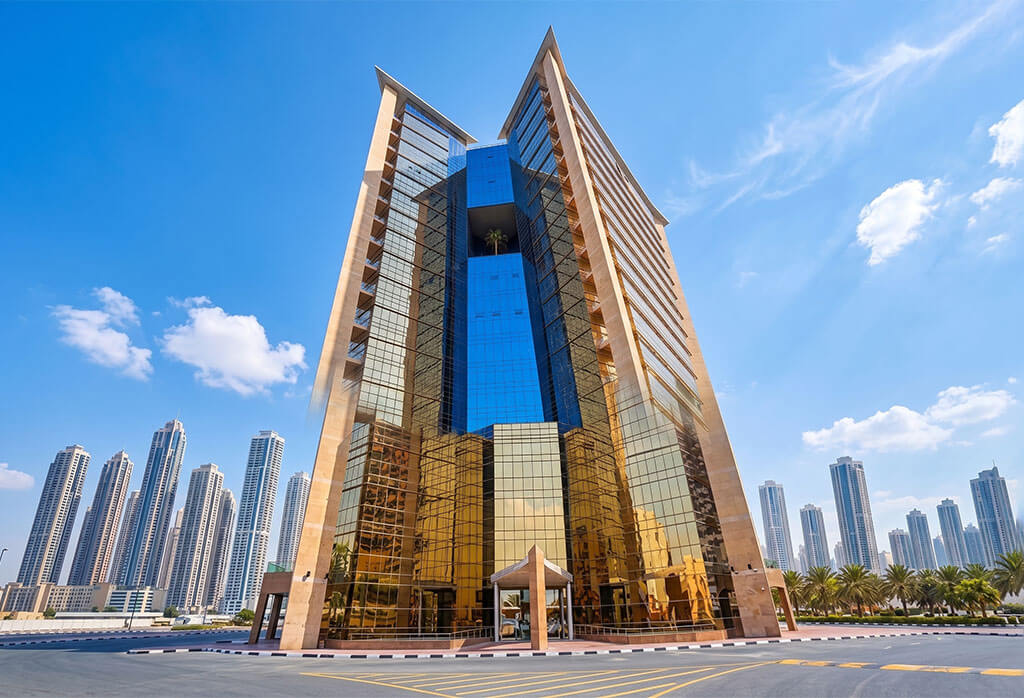
The inauguration placed the Etihad Rail Dubai Station at the centre of the emirate’s connection to the rest of the country. Sheikh Hamdan bin Mohammed bin Rashid Al Maktoum toured the station alongside Sheikh Theyab bin Mohamed bin Zayed Al Nahyan. Together they reviewed its facilities, services and operational systems, along with the technology built to move travellers from arrival and ticketing through to boarding. Shadi Malak, Chief Executive Officer of Etihad Rail, briefed the Crown Prince on the station’s role within the national passenger rail network.
Sheikh Hamdan said the station will act as a new gateway linking Dubai with the capital and the wider country. Integrating the emirate into the network, he said, would strengthen its transport infrastructure, improve access to and from the city, and support its growth ambitions. He tied the connection to Dubai’s standing as a hub for business, tourism and investment.
What the Etihad Rail official launch means for the network
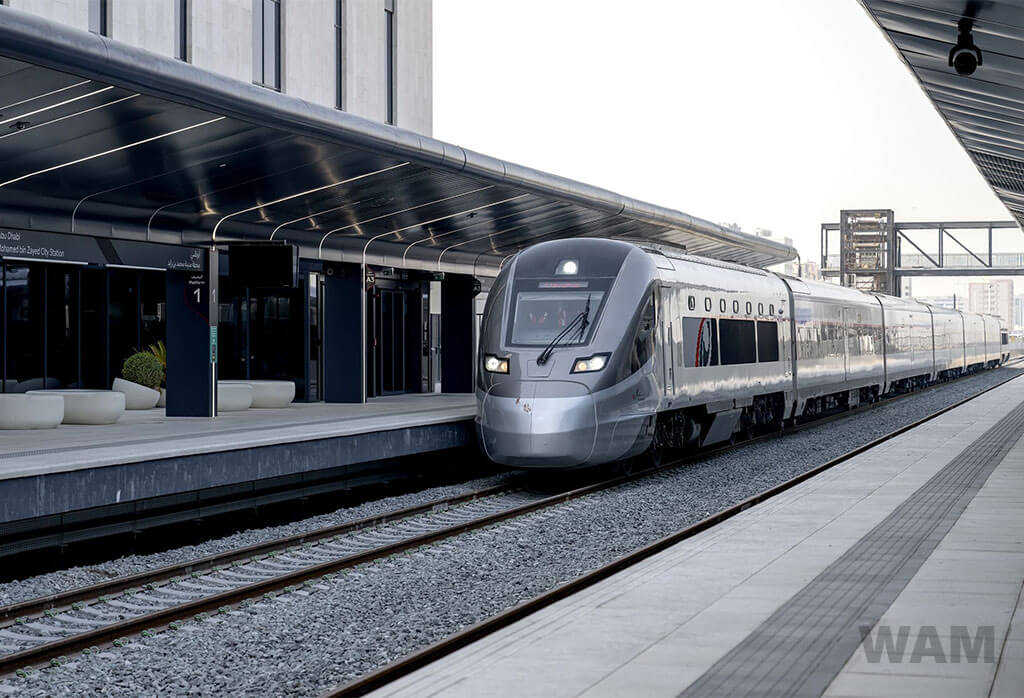
The Etihad Rail official launch also opened a new phase of expansion across the UAE national rail network. Sheikh Theyab described the passenger service as part of the Projects of the 50, the federal programme guiding long-term national development. In under five years, he said, the project had grown into an integrated system linking communities and business hubs across the emirates.
He pointed to strong demand on the earlier Abu Dhabi to Fujairah route as a sign of public confidence in rail. Each extension, he added, deepens integration between the emirates and widens access to opportunity. The governance point here is direct. One national operator now carries responsibility for how citizens, residents and visitors move between the emirates, and for the standards that service has to meet.
Fares, tickets and travel classes
From 30 September 2026, Etihad Rail passenger services run between Abu Dhabi, Dubai and Fujairah. Etihad Rail ticket prices start at AED39 for Comfort Class and AED109 for Premium Class. Fares shift with the date and time of travel, so the lowest figure is a starting point.
Passengers can book through the Etihad Rail mobile application, the operator’s website, or ticket vending machines at stations. The pricing places inter-emirate rail within reach of daily commuters, which changes part of the road-to-rail choice along the Abu Dhabi- Dubai- Fujairah corridor. Whether fares hold up against fuel, tolls and parking will decide if the service wins regular riders or stays an occasional trip. That calculation will look different for each traveller.
How the station connects to Dubai transport
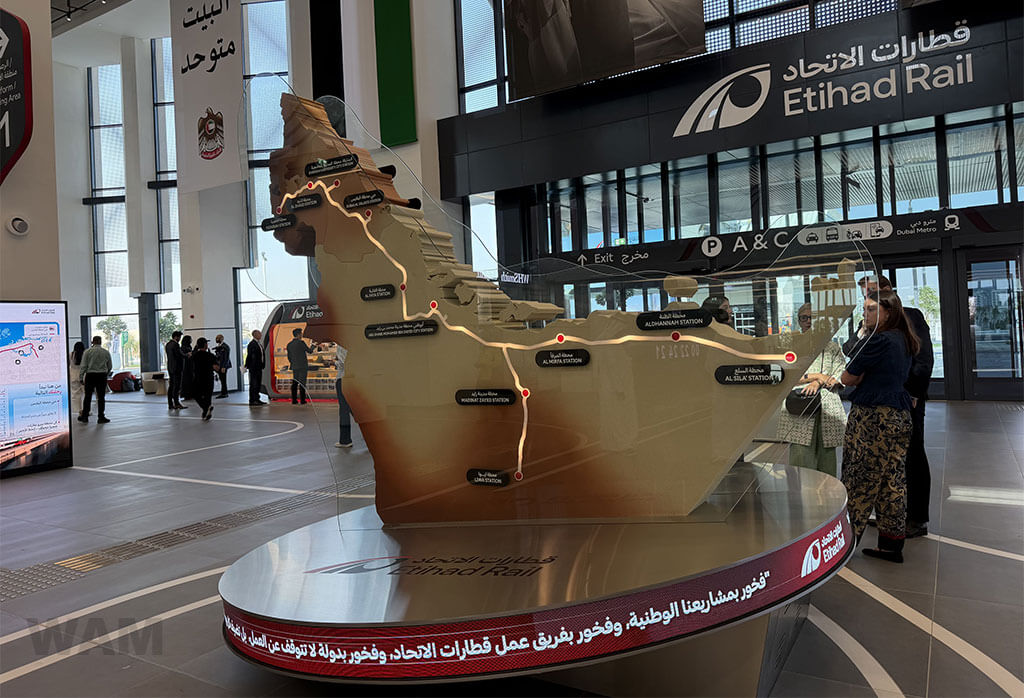
The Etihad Rail Dubai Station works as a connection point between the national railway and the emirate’s wider transport system. A dedicated pedestrian bridge links it to the Jumeirah Golf Estates Metro Station, giving passengers a direct transfer onto the Dubai Metro.
Integration with Dubai’s Nol system lets travellers book a rail trip and onward public transport through a single QR code. That code is designed to work across train, Metro, Tram and bus. The effect is to fold the new line into the fare and access rules that already govern daily travel in the emirate, rather than leaving it to run as a separate service with its own ticketing.
Who governs the passenger operation?
Etihad Rail Mobility operates the passenger services. It is a joint venture between Etihad Rail and Keolis, an international passenger transport operator. The structure pairs national oversight of the asset with an outside operator’s experience in running trains day to day.
That model carries a governance question worth watching. A joint venture splits duties between a state-owned network and a commercial partner, so responsibility for safety, reliability and passenger rights needs to stay clearly divided as the system grows. The Etihad Rail official launch begins the phase in which those standards face daily use, not a preview run under close supervision.
Where the network goes next
Officials have said the network will keep adding cities and regions in stages beyond the current line. For now, the Abu Dhabi- Dubai- Fujairah services give the country its first working national passenger route. They also give the public a benchmark. Punctuality, safety and the quality of the journey on this line will set the expectation against which each new station is measured. That is the standard the operator has now taken on.