


Targeted Reciprocity: Washington and Beijing slash tariffs on $30 billion of bilateral shipments in each direction, unwinding punitive duties on consumer staples and agricultural commodities.
Strategic Compartmentalization: A two-month extension of the broader trade truce through January 10, 2027, establishes a buffer zone, ring-fencing non-sensitive commerce from national security disputes. The Tech Parallel Track: The summit launches formal high-level dialogues and an incident hotline for “super intelligence,” creating a diplomatic precedent for emerging dual-use risks.
Executive Summary & Deal Mechanics
Following a high-stakes three-day summit in Washington between U.S. President Donald Trump and Chinese President Xi Jinping—marking Xi’s first state visit to the U.S. since 2015—the world’s two largest economies announced a reciprocal $60 billion trade relief package. The agreement lowers duties on $30 billion of goods in each direction, focusing exclusively on designated “non-sensitive” commercial sectors.
According to official releases from the White House and China’s Ministry of Commerce, approximately 90% of the products on both lists will drop back to Most-Favoured-Nation (MFN) tariff rates.
| Dimension | U.S. Exports to China | Chinese Exports to the U.S. |
| Covered Value | $30 Billion annually | $30 Billion annually |
| Core Categories | Soybeans, meat, seafood, lumber, cosmetics, and medical equipment | Small household appliances, toys, holiday decorations, sports gear, car seats |
| Energy Commitments | 10 million metric tons of coal/year (2027–2028) | N/A |
| Average Tariff Target | MFN base rates (~90% of lines) | MFN base rates (~90% of lines) |
| Institutional Forum | Bilateral Agricultural Working Group | Joint Bilateral Trade Council |
Complementing the tariff relief, U.S. Treasury Secretary Scott Bessent confirmed an extension of the existing trade ceasefire—initially drafted under the Busan Agreement framework—delaying prospective duty escalations from November 10 until January 10, 2027.
The Business Angle: Corporate Margins & Sector Winners
-
Retail and Consumer Goods Importers:
U.S. importers faced tariff spikes that reached triple-digit peaks during previous rounds of economic conflict. Removing duties on high-volume consumer goods—specifically toys, nursery products (such as children’s car seats), kitchenware, and seasonal goods—provides immediate gross-margin relief for big-box retailers and consumer brands. With consumer demand sensitive to price pressures, this reduction lowers landing costs just ahead of critical inventory planning cycles.
-
Agribusiness and Energy Exporters:
American farm exports suffered heavy losses during retaliatory tariff waves. Reopening standard tariff access for soybeans, livestock, seafood, and forestry products gives U.S. producers critical market liquidity. Furthermore, Beijing’s multi-year procurement guarantee—mandating the purchase of 10 million metric tons of U.S. coal in both 2027 and 2028—revives a trade corridor that had collapsed by more than 80% since 2024.
-
Medical Technology vs. Advanced Tech Decoupling:
Significantly, medical devices secured an exemption, shielding healthcare manufacturers from supply disruption. However, the agreement leaves advanced semiconductors, lithography, electric vehicles, and battery chemistries out of reach. Critical minerals and rare earths remain subject to ongoing, unresolved working-group deliberations, maintaining supply chain risks for aerospace and high-tech defense contractors.
Global Implications: The “Bifurcated Trade” Blueprint
-
Institutionalizing “De-risking” Over Decoupling: This summit formalizes a two-tier economic relationship. Low-risk consumer and agricultural supply chains are intentionally insulated to preserve consumer stability, while national security domains face strict export controls. Multinationals must maintain separate supply chains: a standardized tier for consumer lines and a localized, de-risked tier for dual-use technologies.
-
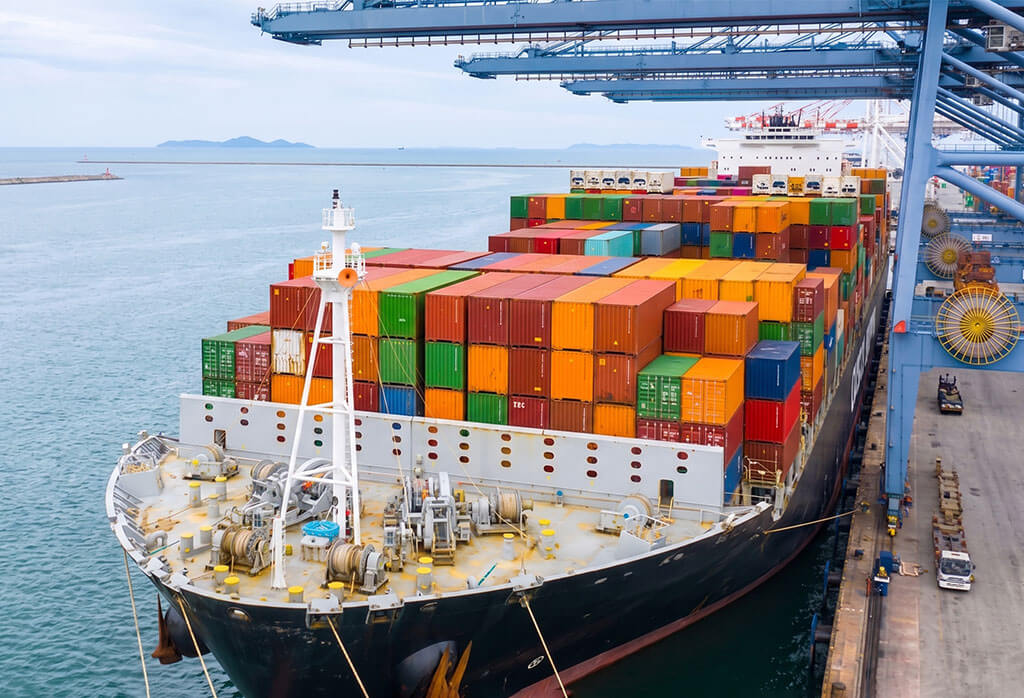
Inflationary Moderation for Global Logistics: By stabilizing tariffs across $60 billion in ocean freight cargo, shipping liners and logistics hubs along Pacific trade lanes gain short-term volume predictability. The mitigation of sudden tariff shocks reduces container spot-rate volatility and warehouse demurrage costs across West Coast ports.
-
The “Super Intelligence” Diplomatic Framework: In a joint shift, the White House and Beijing agreed to adopt the term “super intelligence” and establish a formal emergency communication channel for frontier AI incidents. Scheduled to convene in November, this dialogue introduces strategic crisis architecture similar to nuclear safety protocols, indicating both superpowers recognize that uncontrolled AI escalation presents mutual systemic hazards.
The Washington agreement does not resolve structural rivalry, industrial subsidies, or semiconductor restrictions. It does, however, establish pragmatic boundaries. By securing tariff relief through January 2027, policymakers have traded broad trade friction for managed containment, offering businesses an 18-month window of relative regulatory stability.