• bitcoinBitcoin (BTC) $ 42,977.00 0.18%
  • ethereumEthereum (ETH) $ 2,365.53 1.12%
  • tetherTether (USDT) $ 1.00 0.2%
  • bnbBNB (BNB) $ 302.66 0.19%
  • solanaSolana (SOL) $ 95.44 1.28%
  • xrpXRP (XRP) $ 0.501444 0.1%
  • usd-coinUSDC (USDC) $ 0.996294 0.34%
  • staked-etherLido Staked Ether (STETH) $ 2,367.26 1.4%
  • cardanoCardano (ADA) $ 0.481226 2.68%
  • avalanche-2Avalanche (AVAX) $ 34.37 1.19%
  • bitcoinBitcoin (BTC) $ 42,977.00 0.18%
    ethereumEthereum (ETH) $ 2,365.53 1.12%
    tetherTether (USDT) $ 1.00 0.2%
    bnbBNB (BNB) $ 302.66 0.19%
    solanaSolana (SOL) $ 95.44 1.28%
    xrpXRP (XRP) $ 0.501444 0.1%
    usd-coinUSDC (USDC) $ 0.996294 0.34%
    staked-etherLido Staked Ether (STETH) $ 2,367.26 1.4%
    cardanoCardano (ADA) $ 0.481226 2.68%
    avalanche-2Avalanche (AVAX) $ 34.37 1.19%
image-alt-1BTC Dominance: 58.93%
image-alt-2 ETH Dominance: 12.89%
image-alt-3 BTC/ETH Ratio: 26.62%
image-alt-4 Total Market Cap 24h: $2.51T
image-alt-5Volume 24h: $144.96B
image-alt-6 ETH Gas Price: 5.1 Gwei
 

MORE FROM SPONSORED

LIVE Web3 News


ARTICLE INFORMATION

Oil prices rise

Oil prices rise as supply fears grow in global energy market

Leila Al-Khatib

KEY POINTS

  • Oil prices rise due to growing supply concerns across the global energy market conditions
  • Strait of Hormuz crisis disrupts crude oil supply and affects global trade flows
  • Oil price forecast signals possible increase if tensions continue through April
  • Inflation impacts oil trends, creating pressure on consumers and business costs worldwide

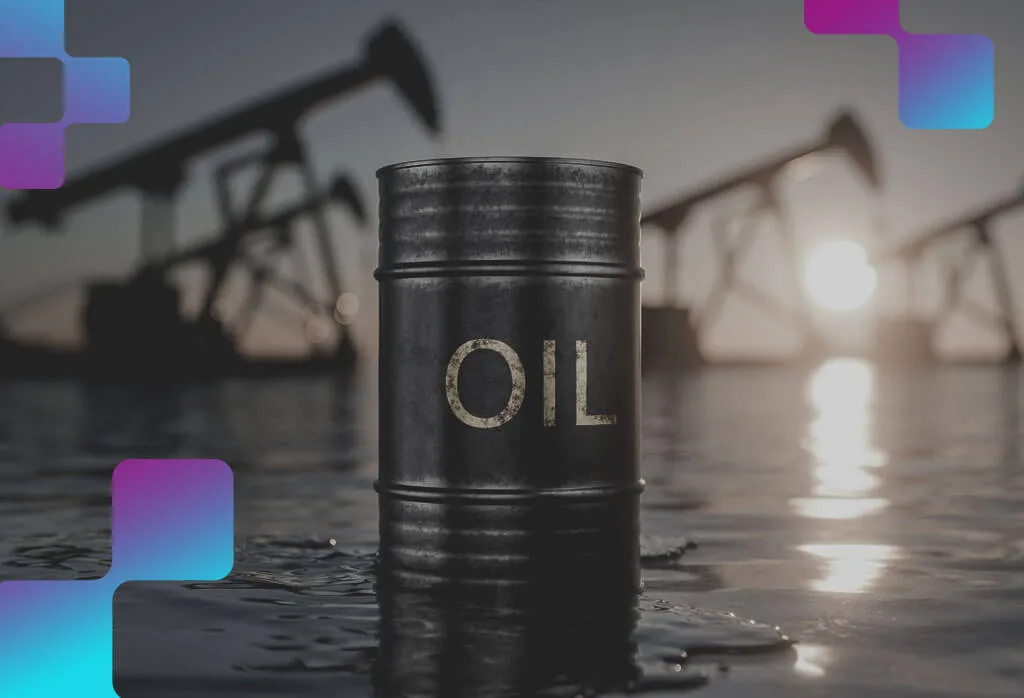
Oil prices rise as tensions increase and disrupt crude oil supply across key global routes.

Traders reacted quickly after mixed signals appeared regarding possible talks between Iran and the United States. Prices moved higher as uncertainty increased and market participants adjusted expectations about near-term supply stability.

Brent crude approached one hundred dollars per barrel while West Texas Intermediate also posted strong gains. These movements followed a sharp drop earlier when traders expected progress in diplomatic discussions. When those expectations faded, markets reversed direction and reflected stronger concern about supply shortages.

The Strait of Hormuz crisis plays a central role in current price movements and global energy risks. This narrow waterway carries a large share of global oil shipments and liquefied natural gas exports. Any disruption in this region creates immediate pressure on crude oil supply and shipping routes worldwide.

Energy shipments slowed significantly as conflict conditions affected tanker movements and insurance costs increased sharply. Despite challenges, a few shipments still passed through, which shows that limited operational continuity remains possible. Authorities in the region continue to issue statements that add uncertainty and influence trader sentiment daily.


ANOTHER MUST-READ ON ICN.LIVE

OpenAI negotiates to buy Helion Energy for future AI power needs

Oil prices rise under pressure from the Strait of Hormuz crisis

Oil prices rise further when supply routes face disruption, and traders expect prolonged instability in the region. Market participants closely monitor geopolitical developments because even small changes affect global energy market dynamics. Analysts warn that continued disruption could push prices much higher if conditions persist through the coming weeks.

Forecasts suggest Brent crude could reach significantly higher levels if the Strait remains restricted until late April. Oil price forecast models consider reduced flows, higher insurance costs, and delayed shipments across multiple regions. These combined factors create upward pressure on prices and increase volatility across trading sessions.

To ease pressure, authorities allowed certain oil shipments to proceed despite existing restrictions and sanctions policies. This move aims to stabilize crude oil supply and prevent extreme shortages in major importing countries. Traders responded by offering available cargo at higher prices, which reflects tight supply conditions.

The global energy market faces the inflationary impact of oil pressures

Global energy market conditions now reflect growing concerns about inflation impacting oil trends across economies worldwide. Higher oil prices increase transportation costs, which then affect food prices and manufacturing expenses. Consumers feel this pressure through rising daily costs, while businesses adjust pricing strategies to maintain margins.

The International Energy Agency continues discussions with governments about releasing strategic reserves if conditions worsen further. These reserves provide temporary relief and help balance supply during unexpected disruptions or geopolitical conflicts. Still, such measures offer limited long-term solutions if supply issues continue beyond short periods.

From my standpoint, oil prices rise not only due to supply issues but also because confidence remains fragile. When trust in a stable supply weakens, markets react quickly and amplify price movements across trading sessions. This pattern shows how sensitive the global energy market remains to geopolitical developments and supply risks.

Oil prices rise again as traders prepare for ongoing uncertainty and monitor every update related to the Strait of Hormuz crisis. The coming weeks will shape the oil price forecast and determine whether supply conditions stabilize or tighten further.

SHARE

Why did oil prices rise recently in global markets?

Oil prices rise due to growing concerns about disruptions in crude oil supply across major global routes. The Strait of Hormuz crisis created fear among traders because this route handles a large share of global shipments. When supply appears uncertain, markets react quickly and push prices higher to reflect potential shortages. Conflicting signals between major countries also increased uncertainty and reduced confidence in short term stability. Traders rely heavily on geopolitical updates, so any tension directly impacts pricing decisions. Higher insurance costs for tankers and delays in shipments also contribute to price increases. The global energy market responds rapidly because even small disruptions affect supply chains worldwide. As a result, oil prices rise when risk levels increase and supply visibility decreases across key exporting regions.

How does the Strait of Hormuz crisis affect crude oil supply?

The Strait of Hormuz crisis affects crude oil supply by limiting the movement of tankers through a critical shipping route. This narrow passage connects major oil producers with global markets, making it essential for daily supply flows. When conflict disrupts this route, shipments slow down or stop, reducing available oil in international markets. This reduction creates immediate pressure on supply levels and increases competition among buyers. Shipping risks also rise, which leads to higher transportation and insurance costs for each cargo. These added costs influence final oil prices and increase volatility in trading activity. The global energy market depends on stable routes, so any disruption in this region causes widespread impact. Oil prices rise as traders anticipate shortages and adjust their positions accordingly.

What is the latest oil price forecast based on current conditions?

The latest oil price forecast suggests prices could increase further if supply disruptions continue through the coming weeks. Analysts consider several factors, including reduced crude oil supply, shipping delays, and geopolitical tensions in key regions. If the Strait of Hormuz crisis remains unresolved, forecasts indicate Brent crude could reach significantly higher levels. Market models also account for increased demand and limited spare capacity among major producers. Temporary measures, such as releasing strategic reserves, offer short term relief but do not solve long term supply issues. The global energy market remains sensitive to any new developments, which means forecasts can change quickly. Oil prices rise when uncertainty persists, and traders prepare for continued volatility across global markets.

How does the inflation impact oil prices and everyday costs?

The inflation impact oil trends affect both global economies and everyday expenses for consumers and businesses. When oil prices rise, transportation costs increase, which directly affects goods such as food and raw materials. Companies often pass these higher costs to consumers, leading to increased prices across many sectors. The global energy market plays a central role because energy costs influence production and distribution systems worldwide. Higher oil prices also affect electricity generation in some regions, which adds further pressure on household expenses. Businesses adjust pricing strategies to maintain profitability, which contributes to broader inflation trends. Oil prices rise during supply disruptions, and this movement creates a chain reaction across economic systems. As a result, consumers experience higher living costs while markets remain under pressure.

FEATURED

OCTOBER 2026

Days
Hr
Min
Sec
 

ICN TALKS EPISODES