


icnlive

Salma Al-Tamimi

Writer,

icn.live

Follow

Salma Al-Tamimi graduated with a degree in Journalism and Communication and has reported for ICN.live since 2025. Coverage focusing on Tech, Artificial Intelligence infrastructure, and cybersecurity in the Arab region. Her work bridges technical insight with public education.
Saudi Arabia rethinks NEOM giga-project

Saudi Arabia rethinks NEOM giga-project plans as new budget figures reveal billions set aside for cancellations. The 2026 to 2030 budget includes around $16 billion in payments to contractors, according to Semafor. These payments are tied to penalty clauses inside long-term agreements signed during years of rapid contracting. Saudi authorities now expect to spend more on cancelling work than on building it. You should watch this shift because it reshapes one of the world’s largest development plans.

NEOM sits under the Public Investment Fund, which now reviews spending across its entire portfolio. The fund once projected that the full project would cost more than $1 trillion to build. Officials have already spent $64 billion on the site, with progress focused on select areas. Visible work centres on Oxagon NEOM, the industrial city and port near the Red Sea. An $8.4 billion green hydrogen project also nears completion within this same coastal zone.

This reset gained pace after Aiman Al-Mudaifer became NEOM’s chief executive during the past year. His strategic review brought layoffs, corporate restructuring, and a fresh look at development plans on-site. Saudi Arabia rethinks NEOM giga-project priorities through tighter procurement and a clear focus on delivery.

THE COST OF SLOWING DOWN GROWS

The reported $16 billion bill shows that scaling back a project this size carries high costs. NEOM contract cancellation costs equal more than a third of the projected 2026 budget deficit. Negotiations with contractors might change the final figure, people familiar with the matter told Semafor. The Line Saudi Arabia plan has become the clearest symbol of this wider recalibration effort. Planners first presented it as a 170-kilometre linear city running from the coast inland. Its scale, cost, and timeline drew growing scrutiny as the kingdom reassessed spending priorities. Semafor reported earlier work on The Line stays delayed until after the year 2030. Officials now redirect this spending toward infrastructure carrying clearer strategic or commercial near-term value. Selected parts of the development stay fully active even during this broader financial pullback.

WHY SAUDI ARABIA RETHINKS NEOM GIGA-PROJECT SPENDING

Saudi Arabia rethinks NEOM giga-project budgets because deficits and weak foreign investment forced tighter choices. The Public Investment Fund now favours projects tied to clearer returns and national priorities. Those priorities include logistics, artificial intelligence, defence, and infrastructure for Expo 2030 and the 2034 World Cup. Oxagon NEOM gained importance as the Iran war disrupted shipping through the Strait of Hormuz. The Red Sea port now serves as an alternative route for goods moving into the Gulf. One Qatar-based firm moved cargo from Europe to Doha in 22 days using this route. NEOM still plans to spend $10.7 billion on new work, mostly tied to Oxagon and utilities.

WHAT THE RESET MEANS FOR YOU

By contrast, some tourism plans face long delays under the revised NEOM budget 2026 framework. MAGNA resorts and the Trojena mountain site wait until the next decade for fresh funding. As I see it, Saudi Arabia rethinks NEOM giga-project plans to protect long-term financial stability. You now see a kingdom balancing bold ambition against cost, liquidity, and tight delivery timelines. The shift signals discipline reaching every corner of the kingdom’s wider development programme today.
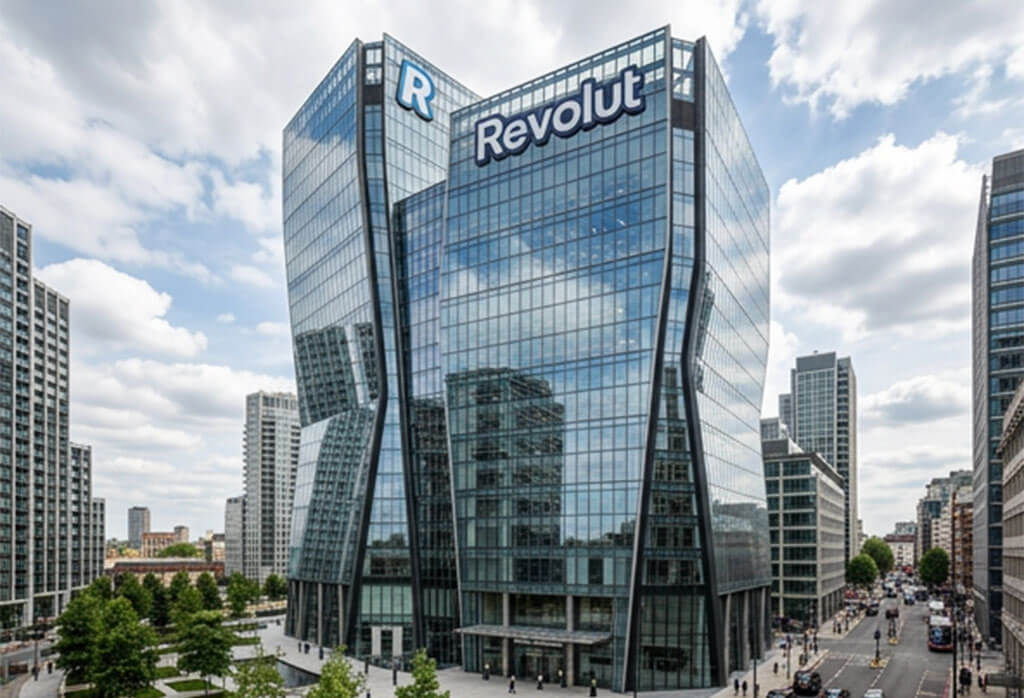

Revolut's India launch

Revolut’s India launch has begun, with thousands of waitlisted users now testing the new app. The British fintech started this controlled beta ahead of a wider public release in India. Revolut confirmed that a few thousand customers already use the platform across the country today. Company access rolls out slowly to a small slice of roughly 450,000 waitlisted people. You can see why this matters, since India hosts one of the largest payment markets. India’s Unified Payments Interface, or UPI, has reshaped how people and businesses move money daily. UPI payments processed 23.2 billion transactions worth about $313.8 billion during May, government data shows.

How Revolut’s India launch reaches its first users

Beta users now reach UPI payments, e-money wallets, and several card options inside the app. Those cards include domestic prepaid cards, multi-currency cards, virtual cards, and disposable cards for spending. The prepaid cards Indian users receive now work for both local and travel spending needs. Revolut plans to add its Lifestyle and RevPoints features before it widens the rollout further. Joint family accounts stay off the menu here, since such products need a banking license. A Revolut spokesperson said the firm runs a controlled onboarding of its waitlist members. The team gathers feedback now to refine core features before a larger audience arrives later. Localized versions live on both the Google Play Store and Apple’s App Store right now. Revolut earlier acquired Arvog Forex in 2022 to strengthen its regulatory base across the country.

Inside the app, licenses, and the digital payments market

The Revolut app India users download offers UPI handles, budgeting tools, and strong security features. Revolut has built its India business since 2021 and secured key licenses from the Reserve Bank. A prepaid payment instrument license lets the firm issue cards and link with UPI today. Paroma Chatterjee leads Revolut’s local operations and shapes the strategy behind this market push. Chatterjee said the company starts “with payments” because family finance offers strong growth room ahead. India’s digital payments market ranks among the most competitive and fastest-growing arenas worldwide today. Revolut wants to serve more than 150 million young, globally minded Indians aged 25 to 45. The company targets 20 million users by 2030 and at least $7 billion in transactions. Consumer interest keeps building, since the app saw nearly 820,000 downloads across India already. More than a third of those downloads happened in 2025 and early 2026, Sensor Tower estimates. Revolut leans on emerging markets for growth, with downloads in Brazil climbing 487% last year. Downloads in Thailand and Vietnam grew 40% and 52% during 2025, Sensor Tower data shows. Such numbers show why India holds a central place in Revolut’s long expansion plan.

Where Revolut’s India launch heads next

Revolut’s India launch still faces tough rivals like Paytm, Google Pay, and PhonePe nationwide. The firm invested over £40 million to meet India’s strict data sovereignty rules first. Revolut says it will open direct signups to every user in the near future. As I see it, Revolut’s India launch tests whether a Western neobank fits local habits. Your choice of payment app now grows wider as this global player enters the field. Revolut’s India launch will shape its global future if the market rewards steady growth.

Microsoft Cloud Licensing Lawsuit

Microsoft cloud licensing lawsuit progress arrived on Tuesday when London’s Competition Appeal Tribunal certified the collective case. The ruling allows nearly 60,000 British firms to push the matter toward a full trial hearing. Competition lawyer Maria Luisa Stasi leads the Microsoft Windows Server UK lawsuit on behalf of those businesses. Her legal team values the claim at up to 2.1 billion pounds, or about 2.8 billion dollars. You should track this case closely because the outcome could reshape how cloud software pricing works.

The core complaint focuses on how Microsoft prices Windows Server across competing cloud platforms. Stasi argues the company charges higher wholesale rates when firms run Windows Server outside Azure. Those higher costs pass down to UK customers using Amazon Web Services, Google Cloud, or Alibaba Cloud. Her team says the pricing gap makes Azure artificially cheaper than rival cloud computing options. From my standpoint, the pricing question sits at the heart of this entire competition dispute.

Competition Appeal Tribunal Microsoft ruling opens path to full trial

Microsoft asked the tribunal to dismiss the claim before any trial could begin. The company said Stasi failed to present a workable method for calculating alleged customer losses. Judges disagreed and certified the Microsoft £2.1 billion cloud lawsuit to move forward through the system. Stasi called the decision an important moment for thousands of organizations affected by the pricing conduct. You can see why the ruling matters for British firms watching cloud budgets rise each quarter.

Microsoft defends its business model by pointing to its vertically integrated structure across products. The firm uses Windows Server as an input for Azure while also licensing it to direct rivals. Company lawyers argue this setup can benefit cloud competition rather than harm market balance. Yet critics say the pricing gap tells a different story for customers on other platforms.

ANOTHER MUST-READ ON ICN.LIVE: John Ternus Is the New Apple CEO as Tim Cook Shifts to Chairman

Microsoft Azure antitrust lawsuit in the UK fits a wider regulatory picture

Regulators across three major economies now examine how cloud firms handle pricing and licensing terms. Britain, Europe, and the United States each run separate reviews into market behaviour right now. Last July, the Competition and Markets Authority said Microsoft’s licensing reduced competition for cloud services. The regulator found those practices materially disadvantaged both AWS and Google in the wider market.

Microsoft pushed back on the report and said the cloud market shows strong competitive dynamics. Last month, the CMA opened another review of Microsoft’s software licensing practices in cloud markets. The Microsoft cloud overcharging class action now runs beside these formal regulatory reviews. You should expect both tracks to shape public debate around cloud fairness during 2026.

What the ruling means for UK firms

Certification at the Competition Appeal Tribunal Microsoft hearing does not guarantee any final damages award. A full trial still needs to weigh evidence, pricing data, and expert calculations from both sides. Yet the decision signals the claim has enough merit to move forward through the system. For UK businesses, the Microsoft cloud licensing lawsuit could deliver compensation if judges rule against the firm. My analysis indicates the coming year will test how British courts treat global cloud pricing disputes.