icnlive

WATCH LIVE. THINK BUSINESS.

© 2026 ICN.LIVE

Leila Al-Khatib

Writer,

icn.live

Follow

Leila Al-Khatib earned her undergraduate degree in Communication and Public Media. Her articles on financial culture have appeared in ICN.live since 2023. Her reporting style emphasizes clarity and accessibility, making complex changes in global finance understandable to broad audiences.

Affordable AI smart glasses by Meta

Affordable AI smart glasses by Meta arrived this week with a lower starting price. The company set the entry cost at $299 for its newest in-house wearable lineup. Meta designed these new frames internally, breaking from its earlier Ray-Ban and Oakley team-ups. You will notice the price drop first, since rival models start near $379 today. These new Meta Glasses play music, translate speech, and answer questions about your surroundings. The built-in cameras capture images, then the assistant reads details from what you see.

Andrew Bosworth, Meta’s chief technology officer, explained why the price point carries real weight. Bosworth said, “I’m still absolutely thrilled to see people wearing the Ray-Ban Metas and Oakley Metas.” He framed the new in-house frames as added choice for shoppers across different budgets. The lineup ships in three styles, each built for a separate kind of wearer. A model named Adventurer offers a small frame, while Fury runs larger and rounder. Meta Glasses by Kylie bring an oval shape created with the reality star Kylie Jenner.

These frames launch with the Muse Spark AI model from Meta’s Superintelligence Labs unit. The new model reads your photos better and remembers personal preferences across daily use. Older Ray-Ban and Oakley glasses will gain the same model through a free software update. During a recent press demo, the glasses counted calories in a bowl of fresh strawberries. They also translated an Arabic sign and suggested nearby museums for curious local visitors.

Affordable AI smart glasses by Meta meet new rivals

The AI smart glasses market will tighten soon, since Google and Samsung plan rival models. OpenAI works on its own hardware product, adding even more weight to the wider contest. Pew Research found 44% of American adults now use ChatGPT for their everyday questions. Gemini reaches 24% of those adults, while Meta AI sits well lower at 14%. Cheaper hardware gives Meta a clear path to put its assistant in many more hands. Affordable AI smart glasses by Meta now challenge this clear gap in assistant use. The lower Meta AI smart glasses price reflects a broader shift across the category. Analysts at IDC expect average prices to fall from $376 today toward $229 by 2030.

Shipments climbed 167% in early 2026 against the same quarter from one year before. Meta holds roughly 69% of this growing space, the research firm reported back in June. Mark Zuckerberg told investors the daily glasses users tripled across the past full year. Privacy worries still follow the whole category, so Meta added a visible recording light cue. The camera will not function unless the small indicator light on the front stays fully clear. From my standpoint, the price cut matters more than any single new feature here.

Why this shift matters for you

You now gain a real entry point without paying the higher Ray-Ban brand premium today. Affordable AI smart glasses by Meta widen who can afford to test daily wearable computing. The Meta Glasses by Kylie option adds a fashion angle at a $399 tier. Choice across three frame styles helps Meta reach buyers with different tastes and price limits. These cheaper frames will face stiff tests from Google and Samsung in the coming months. Affordable AI smart glasses by Meta now set the early pace in this race.

UAE bans social media for under-15s

UAE bans social media for under-15s, and this new rule reshapes life for many families. The UAE Cabinet resolution sets the minimum age for social media use at fifteen years. Children below this age cannot create, use, or operate personal accounts on these platforms. Officials want to shield young users from harmful content and unsafe contact with strangers.

The UAE social media ban covers all platforms available in the country, free or paid. This single rule reaches Facebook, Instagram, TikTok, YouTube, and other large interactive online networks. Sheikh Mohammed bin Rashid, Vice President and Ruler of Dubai, chaired the Cabinet behind it. The Cabinet described the main goal as building “an advanced model for child protection.”

You should know parental consent will not exempt any child from these strict limits. Children aged fifteen to sixteen gain limited access under tight new protective controls instead. These accounts face age-based content filters, usage time limits, and disabled high-risk contact features. Parents can adjust these settings through the control tools that the platforms must provide for them. The resolution gives social media companies up to twelve months to follow every rule.

WHY THE UAE BANS SOCIAL MEDIA FOR UNDER-15S MATTERS NOW

The UAE bans social media for under-15s partly because of rising mental health worries. Studies link heavy use to anxiety, attention problems, and poorer sleep among young people. One 2024 survey found that UAE children spend about three hours daily on these platforms. From my standpoint, these under-15 social media rules answer real and growing family concerns. The UAE has also become the first Arab nation to apply such a strict limit.

Australia, Britain, and several other European countries have set similar limits on teen accounts. Critics argue that strict bans can push some teens toward hidden and less safe spaces. Supporters reply that strong limits reduce harm and give parents clearer ground to set rules. Other nations watch the UAE closely as they weigh similar steps for young users.

Social media age verification has now become the core challenge for every affected online platform. Self-declared ages will not count, so platforms need accurate and reliable age-checking systems. Approved methods include digital identity tools and AI-supported checks, such as biometric scanning systems. Platforms must protect the data they collect and keep it only as long as needed. Regular audits will then check whether these age systems work with strong privacy safeguards.

BUILDING A SAFER CHILD PROTECTION DIGITAL SPACE FOR YOUNG USERS

The new child protection digital space puts young users ahead of platform profit goals. Platforms also cannot target children with personalised ads built on tracking or behaviour profiling. The National Media Authority and the telecom regulator will watch every company for compliance. Regulators can warn, block, or fine platforms when they ignore these clear new rules.

Again, the UAE bans social media for under-15s to keep its youngest users safer. For your family, the UAE bans social media for under-15s with real enforcement behind it. You and other parents now hold clear tools to guide safer digital habits at home. The twelve-month window gives these companies time to build and test new safety systems. Your awareness of these rules helps children build calmer and healthier daily screen habits.

G7 Summit in France

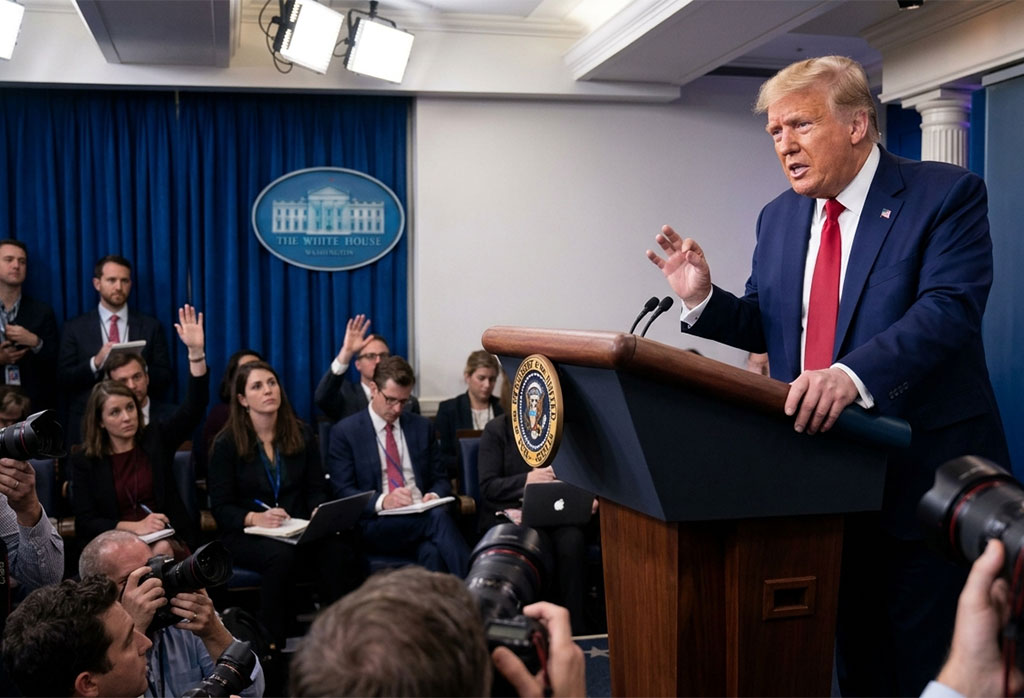
The G7 Summit in France now draws world attention as Trump travels to meet major leaders. You will watch big issues reach the table, from war to trade to new technology. The three-day meeting starts Monday in Évian-les-Bains, near the Swiss border on Lake Geneva. Analysts track the G7 summit in France 2026 agenda with sharp focus across many capitals. Trump said he will leave for France right after a mixed martial arts fight on Sunday. The UFC match on the White House South Lawn lands on his 80th birthday. Macron leads the G7 this year and wants the group to reduce inequality worldwide. His goals clash with the America First plan, built on tariffs and tough talk. For readers and investors, this matters because the summit shapes trade and security choices.

The Trump-Iran deal sits at the center of every conversation this coming week. Officials say a peace agreement to end the Iran war remains close but not final. Trump said leaders would sign the deal soon, yet Iranian state media disputed the timing. A senior U.S. official told reporters a deal might close within a few days. Still, the same official warned that the outcome remains uncertain and far from fully settled.

The Iran war shadows every other topic

The Strait of Hormuz now stands as a key flashpoint in the wider conflict. Iran has controlled the waterway since the war began, choking oil and gas shipments. Trump plans to discuss mine removal in the Strait of Hormuz with close allies. Britain and France both back the demining effort once the two sides pause fighting. He will also meet leaders from Egypt, Qatar, and the United Arab Emirates there. Those talks aim to wind down a war that Trump opened back in February this year. A tenuous ceasefire has held since early April across the region, officials confirmed recently. Pakistan, a key mediator, said a deal looks closer now than at any point before.

G7 Summit in France faces a tense room

Many leaders walk into the talks frustrated with how Trump has treated Europe lately. Victor Cha of the Center for Strategic and International Studies expects sharp exchanges ahead. Cha called it a “frank and candid and fiery conversation” among the assembled world leaders. Europe wants firm rules on AI energy use, while Trump resists heavy industry limits. Macron invited OpenAI chief Sam Altman to join parts of the leader-level talks. Executives from Anthropic and Google plan to attend the summit as well, reports indicate.

What the summit means for you

The G7 leaders will also press hard on Russia’s ongoing war against Ukraine this week. Ukrainian President Zelenskyy will attend, though no formal Trump meeting sits on the schedule. After the summit, the Macron-Trump Versailles dinner will close the week near Paris. From my standpoint, this dual track of war and trade tests every leader’s patience. You should watch the Trump-Iran deal closely, since it can move oil and markets. The G7 Summit in France will shape global trade, energy, and security for months. Leaders gather in the Évian-les-Bains G7 venue, hoping to balance conflict, money, and trust. The G7 Summit in France might decide the next phase of this fragile peace push.