icnlive

WATCH LIVE. THINK BUSINESS.

© 2026 ICN.LIVE

Khaled Darwish

Writer,

icn.live

Follow

For more than eleven years, Khaled Darwish has tracked the evolution of finance, regulation, and digital currencies for outlets such as Al Arabiya Business. Khaled completed postgraduate studies in Journalism and International Communication. His articles connect institutional strategies with the world of retail. Outdoor activities are his favorites.

JLT Link electric bus service

The JLT Link electric bus service starts on 1 August 2026, giving people who live, work, or visit Jumeirah Lakes Towers a cleaner way to get around. DMCC, the free zone that runs the district, built the service to replace the current RTA-run JLT bus route. The switch happens with no break in the schedule, so your usual trips stay intact.

The fleet runs on electric power alone. It mixes 16-, 23-, and 31-seat buses. Each one sits low to the curb, fits a wheelchair, and leaves room for standing riders. That design opens the service to more people, including anyone who found older buses hard to board.

What the JLT Link electric bus service changes

The JLT Link electric bus service covers 18 stops across JLT and Uptown Dubai. Two of those stops carry the most weight for connections. Riders can link to DMCC Metro Station and Sobha Realty Metro Station, which tie the area into the wider Dubai Metro network. If you commute by train, that link trims the walk and the wait.

Ahmed Bin Sulayem, Executive Chairman and CEO of DMCC, said: “JLT Link is a further investment in the infrastructure that underpins our long-term vision for JLT and Uptown Dubai as one integrated destination. With fully electric buses, 18 stops, direct metro station links, and accessible, high-frequency services, we are creating a more connected, sustainable and convenient urban experience. As we continue to grow as a global business destination, initiatives like JLT Link enable seamless travel for our community and reinforce Dubai’s position as one of the world’s most competitive places to live, work and do business.”

Routes and timings you can plan around

Two circular routes run inside JLT. Each one arrives every 20 minutes. A third route connects Uptown Dubai with DMCC Metro Station every 30 minutes. Your wait depends on where you board and where you are headed.

The JLT internal routes run Monday through Saturday, from 6:30 AM to 9:30 PM. Last buses leave at 9:24 PM and pull in by 9:37 PM. On Sundays, those routes run later, from 9:30 AM to 12:30 AM. The Uptown Dubai route from JLT runs from 6:55 AM to 8:00 PM. Check the clock before a late trip, because the cutoffs shift by route and by day.

Why the JLT Link electric bus service matters for you

Dubai wants to cut transport emissions and reach its Net Zero 2050 goals. The electric fleet moves the district toward that target. It sits beside other JLT projects like solar power, Dubai Can water stations, and recycling points. For riders, the payoff is plain. You get quieter buses, cleaner air near the stops, and a service that keeps pace as the area grows.

Photo Credit: DMCC

Adani Group eyes a new airline

Adani Group eyes a new airline in India, and the plan could change what you pay for a domestic ticket. Two people with direct knowledge of the matter told Reuters the ports-to-cement conglomerate is studying an entry into flying. Nothing is settled. The group runs eight airports, carries an $11 billion expansion plan, and had said earlier it wanted no part of running a carrier.

That reversal did not come from nowhere. India’s government has quietly encouraged business groups, Adani included, to look at starting an airline. Two failures drove the nudge. Air India has faced heavy safety scrutiny since last year’s Dreamliner crash that killed 260 people. IndiGo cancelled thousands of flights in December after running short of pilots, stranding passengers and forcing officials to act on a sharp rise in fares.

What an Adani airline launch would mean for fares

For passengers, the question is simple. A third large carrier gives you somewhere to go when one airline breaks down. Right now the exit is narrow. IndiGo holds 65.4 per cent of domestic traffic and Air India about 25 per cent. Regulator data for June 2026 put IndiGo’s share at a record 66.3 per cent, while the Air India group slipped to 23.9 per cent. That IndiGo market share number is the whole argument for a new entrant. An Indian aviation duopoly leaves ticket prices exposed every time one operator stumbles.

Why Adani Group eyes a new airline now

One source framed the thinking as duty rather than profit, saying the group wants to weigh it “in national interest” despite the difficulty of the business. The second source said buying a stake in an existing airline is also under review, with all options open.

A rule stands in the way. Adani has approached the government seeking to dilute a clause that restricts certain airport operators from holding stakes in scheduled airlines, the Economic Times reported. The clause dates to the 2006 privatisation of the Delhi and Mumbai airports and bars their operators from holding more than 10 per cent of a scheduled carrier. The civil aviation ministry has sought the Solicitor General’s opinion on whether the clause can be amended retrospectively, and any change would need cabinet approval. Adani holds 74 per cent of Mumbai International Airport.

Adani Airports built the ground floor first

Jeet Adani, a director at Adani Airports, told Reuters in December the group had no appetite for flying. Margins were thin, and the group lacked the “mindset” for it. Its strength, he said, lay in building “hard assets on the ground” and running them efficiently. Spending on that side has not slowed. Adani Airports said last month it would put more than $2 billion into airport-linked commercial districts across six locations, covering hotels, retail centres and office space.

The risk sitting inside the Indian aviation market

Money has been hard to keep in Indian skies. High taxes, fierce competition and supply-chain problems pushed Kingfisher, Jet Airways and Go First into bankruptcy over the last 15 years. SpiceJet is still working through financial strain. Adani is Asia’s second-richest person, with a net worth of around $89 billion, so funding is not the obstacle. History says funding alone has never been enough.

Rival carriers have a separate worry. Independent aviation analyst Brendan Sobie said airports owning airlines exist in markets such as Kyrgyzstan, Thailand and Vietnam, but a government allowing the operator of a major airport like Mumbai to hold an airline stake would be surprising. Other Indian airlines, he said, would “rightfully be concerned about a possible conflict of interest.”

Adani and the civil aviation ministry did not immediately respond to queries from Reuters. For now, any move depends on a rule change that has not happened.

Meta AI infrastructure to Anthropic

The prospect of renting Meta AI infrastructure to Anthropic points to a fresh revenue line for the social media company, and it could reach anyone who uses AI tools built on that capacity. Meta and Anthropic are in early talks, a source familiar with the discussions confirmed to CNN. The New York Times reported the potential Meta-Anthropic compute deal first, pegging its value at up to $10 billion over two years and citing three people with knowledge of the talks. CNN’s source said any specific numbers already reported are speculative.

The discussions are preliminary. Reuters reported Anthropic proposed the arrangement in June, with monthly payments over two years and an early exit for either side. Nothing is signed. Terms can still change. Meta and Anthropic declined to comment.

What the deal would mean for Meta

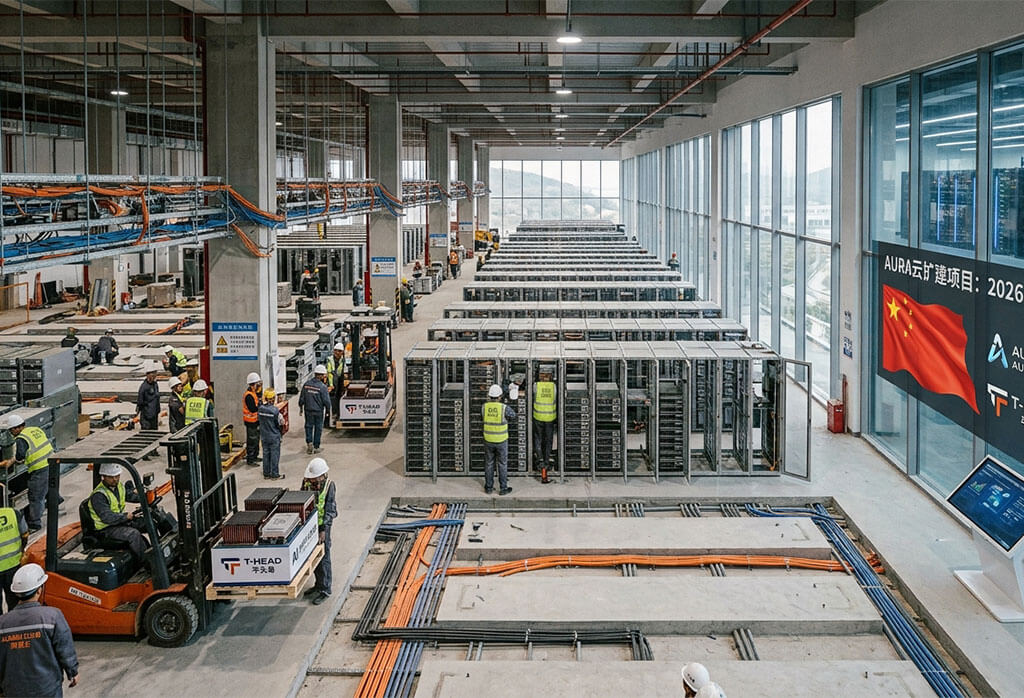
A move to lease Meta AI infrastructure to Anthropic would open a Meta cloud computing business, a line the company has never run before. That would place it against Amazon, Microsoft and Google, the three firms that dominate cloud today. For a company whose returns come almost entirely from advertising, an AI compute lease turns idle servers into cash.

The spending backdrop explains the interest. Meta said it plans to spend between $125 billion and $145 billion this year, most of it on data center buildout. That could roughly double the prior year. Investors have pressed Meta on its AI infrastructure spending, and its shares are down more than 8% from a year ago.

Zuckerberg has hinted at this path before. At Meta’s annual shareholder meeting in May, he said outside companies approach almost every week asking to buy compute “at some premium to what we’ve bought it at.” Meta held off, he said, because it still had a use for the capacity. If it overbuilds, leasing becomes an option.

Why Anthropic wants more compute

Anthropic Claude compute demand keeps climbing, and the company cannot add capacity fast enough on its own. It already holds multibillion-dollar compute deals with Google, SpaceX, Microsoft and Amazon. Adding Meta would give it another supplier as it works to keep Claude running for a growing user base.

The setup is unusual. Meta builds its own AI models and competes with Anthropic on features. Under this arrangement, it would also become Anthropic’s supplier for computing power. The compute shortage has made that kind of rival-to-rival deal routine across the industry.

What it means for you

Here is the ripple. When an AI lab adds compute, users tend to feel it. More capacity can mean looser usage limits, faster responses and steadier access to advanced models. If the plan to rent Meta AI infrastructure to Anthropic closes, Claude users could see those gains over time. If it falls apart, the pressure on Anthropic’s capacity stays.

Meta is chasing bigger AI returns on other fronts too. Last month it released an upgraded Muse Spark model it said could rival the coding tools from OpenAI, Anthropic and others. For the first time, Meta offered a paid version, another signal it wants more money back from its AI push.

The prospect of renting Meta AI infrastructure to Anthropic sits at the center of that shift. Watch whether talk turns into a signed contract.