


icnlive

Fatima Al-Nouri

Writer,

icn.live

Follow

Fatima Al-Nouri is an experienced journalist passionate about financial freedom. Her career highlights include features on Bitcoin adoption, stablecoins, and global regulation. She received her diploma in Journalism and New Media and continues to engage Arabic-speaking audiences on digital finance.
Salik AED1.55 billion profit

Salik reported strong momentum across its business during 2025, supported by steady toll crossing activity. The company remains the exclusive operator managing Dubai toll gates across major commuting routes. Those assets give Salik direct exposure to daily travel demand across the wider emirate network. Higher usage and disciplined operations helped lift earnings without placing extra pressure on operating costs. Management presented the annual report during the General Assembly meeting led by Mattar Al Tayer. Chief Executive Ibrahim Al Haddad attended the session with board members and company representatives.

The assembly ratified the board report and financial statements for the fiscal year ending 2025. That formal approval gave investors a clearer picture of performance and cash distribution plans. Salik also reinforced its status as a transport-linked stock with steady local revenue exposure. Many regional investors value such businesses because demand often follows daily movement patterns in Dubai.

Salik’s AED1.55 billion profit shows why investors keep watching this stock

Salik’s AED1.55 billion profit also reflects a business model linked closely with Dubai traffic growth. As road movement rises, toll collections often follow, supporting stable, recurring revenue generation for Salik. This pattern matters for income-focused investors seeking predictable cash flow from listed companies. The declared payout covers the full second-half profit of AED782.5 million reported today.

It also includes AED107.8 million in exceptional profits added to the total distribution amount. Such a move signals confidence in cash strength and capital allocation discipline for management today. Salik shareholders, therefore, receive both operating earnings and extra gains within one payment cycle. From my standpoint, this result strengthens Salik’s dividend appeal for yield-focused regional investors. Income investors often study payout consistency before increasing exposure to transport-related stocks in Dubai.
These figures give them a cleaner basis for judging future return potential and stability.

A larger payout gives investors a direct reason to watch future results

Salik dividend details also carry a wider meaning for sentiment in Dubai equity markets today. A full profit distribution often draws attention from investors seeking regular income opportunities locally. The size of this payment suggests management sees enough resilience in near-term earnings. That message often supports confidence during periods when investors compare payout quality levels carefully. Income visibility matters because listed transport businesses rarely offer rapid growth and strong yields together.
Salik appears to offer both traits while keeping a simple operating structure intact today. The market will also monitor future toll crossings for signs of continued earnings support. Any steady rise in commuting volumes would help protect revenue quality during 2026 for Salik.

What investors should watch after this Salik dividend announcement

Salik’s AED1.55 billion profit gives the company stronger visibility with analysts following regional infrastructure plays. Investors will now watch whether future toll activity keeps matching recent expansion trends closely. They will also track any policy changes affecting traffic flows or route usage patterns. Dubai traffic growth still looks central because higher road movement supports core revenue directly. The present numbers place Salik in a stronger position entering the new fiscal period. For readers, the main takeaway is simple: profit rose sharply, and payouts followed quickly.

UAE-Bahrain currency swap agreement

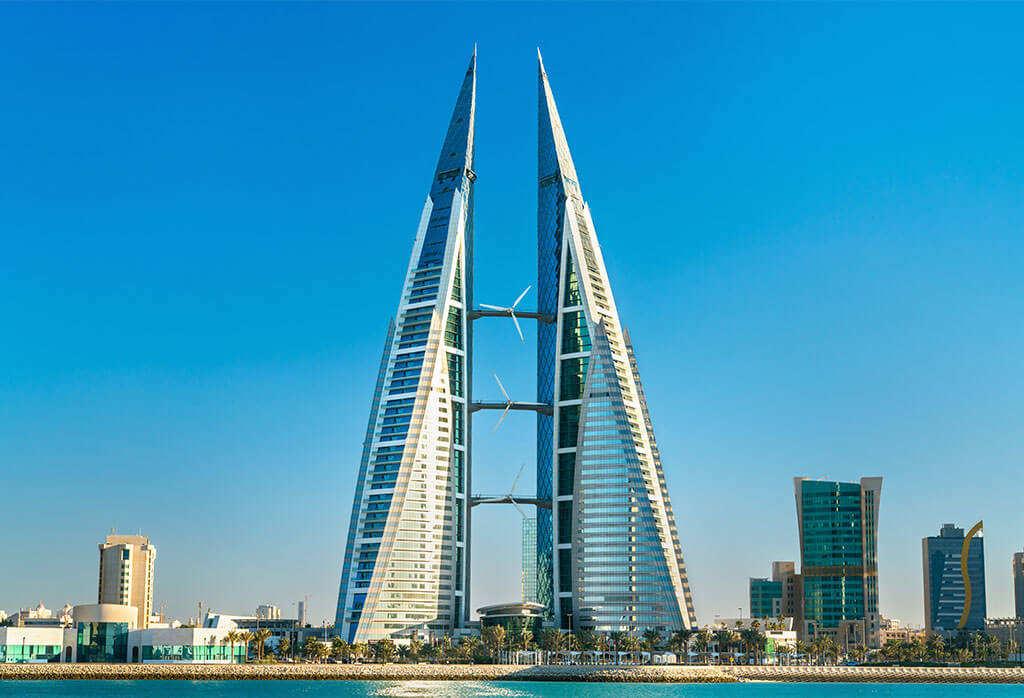
UAE-Bahrain currency swap agreement links two Gulf banking systems through a five-year liquidity framework.

The announced facility carries a nominal value of AED 20 billion, or BHD 2 billion. Both sides presented the signing as another step toward stronger central bank cooperation efforts. Officials also tied the arrangement to wider UAE Bahrain trade ties across finance and investment. The structure supports local currency settlement between the UAE dirham and Bahraini dinar. Such agreements matter most when banks need smoother access to partner currencies under pressure. Regional policymakers often use swap lines to support payment flows during volatile market conditions.

For readers across Gulf markets, the message centers on confidence, readiness, and practical coordination. From my standpoint, the agreement shows a measured effort toward durable Gulf financial stability. The UAE governor said the signing reflects shared plans for stronger monetary cooperation. The Bahrain governor described the move as a major point in bilateral financial relations.

UAE-Bahrain currency swap agreement and regional banking confidence

A swap agreement does not place fresh cash into daily trade on announcement day. Instead, the framework gives central banks an agreed route for currency exchange when needed. Such planning helps banks, importers, and investors read regional policy direction with greater clarity. The focus on local currency settlement also supports policy goals beyond short-term funding needs. Greater use of domestic currencies reduces reliance on outside funding channels in selected transactions.

That change often lowers friction for selected payments between the two neighboring economies. Business groups often watch these steps closely because payment certainty shapes commercial decisions. A reliable backstop also supports lending confidence when markets face sudden funding pressure. For Bahrain, the line strengthens links with a major regional partner and investor base. For the UAE, the line supports a broader network of practical financial relationships.

Both outcomes fit long-running goals around regional financial integration within Gulf markets. The agreement also signals policy continuity, which traders and lenders usually welcome.

Why the agreement matters for trade and financial planning

Trade links often grow faster when payment systems feel predictable, and policy signals stay stable. Banks serving importers and exporters benefit from stronger visibility on potential liquidity arrangements. The line will also help both central banks coordinate responses during periods of market stress. Such coordination supports Gulf financial stability by reducing uncertainty around short term currency access. Investors often value clear official cooperation because predictability supports pricing across debt markets.

The agreement also fits broader efforts toward central bank cooperation across the Gulf region. Stronger coordination does not remove risk, though stronger coordination improves institutional readiness. Regional businesses will watch whether local currency settlement expands across real commercial activity. Future progress depends on banking demand, trade volumes, and continued policy alignment. Even so, the present move gives both countries a stronger platform for UAE Bahrain trade ties. The result is a practical agreement with clear symbolic value and possible economic upside.

Wireless Festival cancelled

Wireless Festival cancelled after UK officials blocked Ye from entering the country before the planned London event. Organizers then ended the festival and promised refunds for every ticket holder after rising pressure. The move followed criticism from Jewish groups, politicians, and major sponsors linked to the event. Kanye West, also known as Ye, had faced backlash over earlier antisemitism controversies. Festival Republic said the cancellation followed the government’s decision on his planned travel. For many fans, the news changed a major summer weekend into another music industry dispute.

The story also raised hard questions about platforming artists during periods of public outrage. Your view on free expression might differ, yet public safety concerns shaped this outcome. Organizers tried to manage growing criticism, though pressure kept building from several directions. Pepsi and Diageo reportedly pulled support before the final cancellation announcement reached ticket buyers. Those sponsor exits added financial strain and increased reputational risk around the festival. UK Prime Minister Keir Starmer also criticized the booking before officials blocked Ye’s entry. His comments signaled strong political opposition before the final government action became public.

Festival Republic later shared comments from Ye about change, listening, and meeting Jewish community members. He said words were not enough and promised action to show change. Still, officials decided his presence would not serve the public good in Britain.

Wireless Festival cancelled, why did the decision grow so quickly

The cancellation did not come from one complaint or one public statement alone. Several forces joined together and pushed organizers toward a difficult final call. Jewish groups had objected strongly after Ye was announced as the main headline act. Their concerns centered on repeated antisemitic remarks made during recent years in public. Politicians then echoed those concerns and widened the pressure around the festival booking.

Once major sponsors left, the event faced another level of business risk. A London music festival depends on artists, partners, venues, and public trust working together. When one of those parts breaks, the full event often becomes harder to protect. In my view, organizers likely saw fewer paths forward with each passing day. Refunds became the cleanest option after travel restrictions removed the headline performance entirely. Ticket holders now face inconvenience, yet organizers avoided deeper confusion by ending the event. The case also shows how artists’ conduct outside music affects live entertainment deals.

Kanye West remains one of music’s biggest names, though public reaction shapes access and opportunities. Ye’s January newspaper apology added context, yet officials still chose to block entry. That gap between apology and acceptance became central to the final outcome here.


ANOTHER MUST-WATCH ON ICN

Public pressure, brand risk, and artist accountability

This story matters beyond one weekend concert in London. Promoters now face stronger pressure when public criticism meets political concern and sponsor fear. Brands rarely stay attached when controversy threatens trust with large customer groups. Pepsi and Diageo’s leaving the festival showed how fast support disappears during reputational crises. Antisemitism concerns also carry moral weight beyond ordinary celebrity disputes or booking disagreements. For Jewish communities, public statements from famous figures bring real personal harm and fear. British leaders emphasized those concerns while defending values they said required firm action. Festival Republic tried to present Ye’s wish for dialogue and personal change. Yet many critics believed the invitation itself was wrong from the start.

Starmer later said Ye should never have been booked for Wireless Festival. Those words made the government’s position clear and left little room for compromise. A UK travel ban in this context becomes more than an immigration step. The action sends a message about who receives major public platforms in Britain. London music festival promoters will likely study this case closely before future bookings. Artists with large audiences still draw crowds, though controversy now carries faster commercial consequences.

What the cancellation means for fans and the wider music industry

Fans lost a major event, and many likely feel anger, disappointment, or confusion today. Some bought tickets mainly for Ye, while others wanted the full festival lineup experience. Refunds address the cost issue, though they do not replace canceled plans or travel. Wireless Festival’s cancellation also becomes a warning for promoters handling high risk headliners. A festival name built over the years depends on stable planning and public confidence. Once controversy takes over the story, music itself stops being the main focus. That shift harms fans, workers, partners, and smaller artists on the same bill. Organizers across Europe will watch how governments respond in similar future cases.

They will also weigh how public values affect contracts, insurance, and sponsor commitments. Kanye West still holds major cultural influence, yet access now depends on more than fame. Ye’s promise to listen and meet communities might matter later, though trust needs time. For now, Wireless Festival’s cancellation stands as the central fact and lasting headline. The episode links celebrity conduct, government action, and business pressure in one sharp outcome. Your takeaway might center on accountability, free expression, or public safety, depending on perspective. Either way, this London music festival collapse will shape booking decisions far beyond one summer.