

icnlive

WATCH LIVE. THINK BUSINESS.

© 2026 ICN.LIVE

ICN.live

PUBLISHED BY ICN PRESS

  • FAB is issuing the Jaywan debit card, the UAE’s homegrown payment card, for domestic use.
  • The card runs on the UAE national card scheme, managed by Al Etihad Payments and backed by the Central Bank of the UAE.
  • It works at shops, on UAE websites, and at ATMs, with Chip and PIN and 3D Secure built in.
  • Eligible FAB customers can apply through the FAB Mobile app or at a branch.

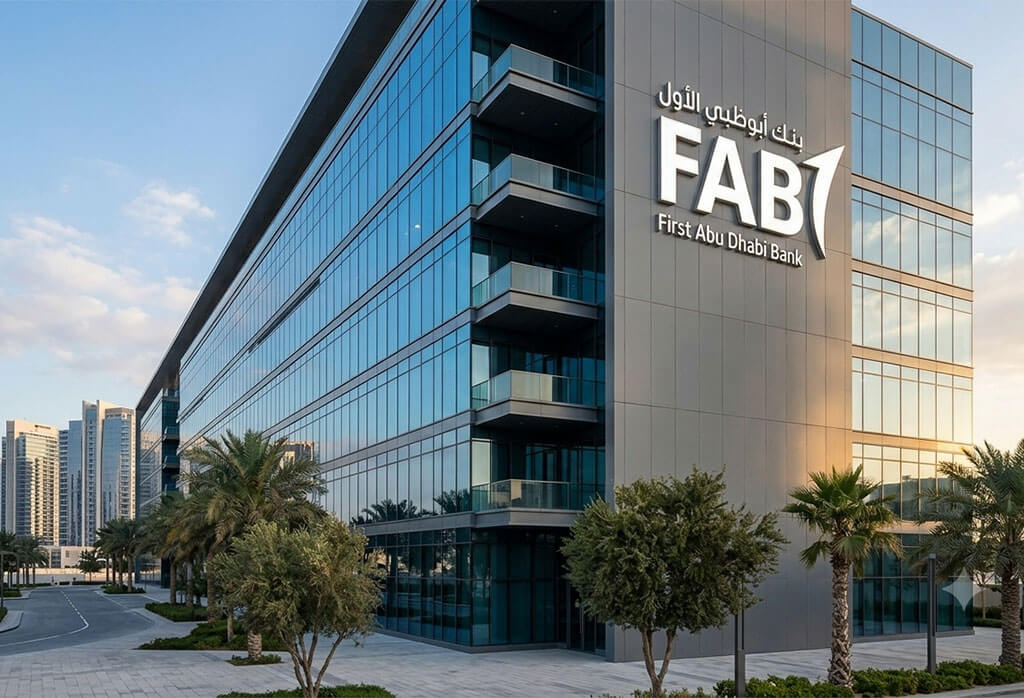
FAB launches the Emirati Jaywan Debit Card, and the country now has a homegrown card sitting inside its biggest bank. The card is live for domestic use. It runs on the UAE national card scheme, the local rails managed by Al Etihad Payments and backed by the Central Bank of the UAE. First Abu Dhabi Bank is the largest lender in the country by assets. So this reads as a real signal, not a pilot.

What the Jaywan debit card does

Here is what you get. The Jaywan debit card handles everyday payments and cash access across the UAE. Tap or dip at local merchant outlets. Online, it works on UAE-based platforms. ATMs nationwide handle cash withdrawals. The card also links to digital wallets through tokenised wallet integration, so your card details get swapped for a secure token on supported devices.

Security sits at the core. The card uses Chip and PIN for in-person buys and 3D Secure authentication online. Your four-digit PIN confirms you are the real cardholder at the till. For a domestic scheme handling millions of daily taps, this layer counts.

Why FAB launches the Emirati Jaywan Debit Card now

Timing tells the story. FAB launches the Emirati Jaywan Debit Card as the national rollout moves from plan to practice. The card is integrated with the FAB Mobile app, so you manage it where you already bank. You watch transactions, handle your account, and run digital servicing from one screen. Al Etihad Payments built Jaywan to localise card payments and cut transaction costs. Keeping this flow inside UAE borders also strengthens national data sovereignty, a point FAB made plainly.

Two names carried the message. Futoon Al Mazrouei, Group Head of Personal, Wealth and Business Banking at FAB, tied the card to trust and customer focus inside the UAE’s financial system. Andrea Ciancetti, Chief Products Officer at Al Etihad Payments, called the FAB launch “a critical milestone for the roll-out of the scheme,” and thanked the bank for making Jaywan real for people nationwide.

How to get the Jaywan debit card

Getting one is simple if you already bank with FAB. Apply through the FAB Mobile app or at a FAB branch. No account with the bank yet? Open an eligible one first, then apply. Elite and Private Banking clients can go through their relationship managers. FAB has not disclosed fees, account tiers, or rewards, so check those points before you commit.

Jaywan is bigger than one card. The scheme, launched in 2024, is the first UAE national card scheme, built to localise payments and lower costs for merchants and banks. First Abu Dhabi Bank is one of the early issuers, with other lenders lining up prepaid and debit products over the coming months. Al Etihad Payments has also signed global networks for co-badged cards, so travel use can follow the domestic base. For now, the FAB card stays inside UAE borders.


IMPORTANT: CONTENT SUBMITTED BY THE CLIENT. THIS IS A PRESS RELEASE ARTICLE. PLEASE READ THE INFORMATION BELOW.

ICN.live neither validates nor guarantees the accuracy, reliability, or quality of the information, promotional materials, or products mentioned herein. Readers are encouraged to conduct independent due diligence before making any decisions related to the featured company. ICN.live bears no responsibility, directly or indirectly, for any harm, loss, or consequences that may result from reliance on or interaction with the content, services, or offerings described in this release.

The details shared in this announcement do not constitute financial, trading, or investment guidance. Readers are strongly advised to carry out independent research and seek advice from a qualified financial professional before making any investment or cryptocurrency-related decisions.


TAGS

EXPLORE MORE ON:

Apple's iPhone Duo

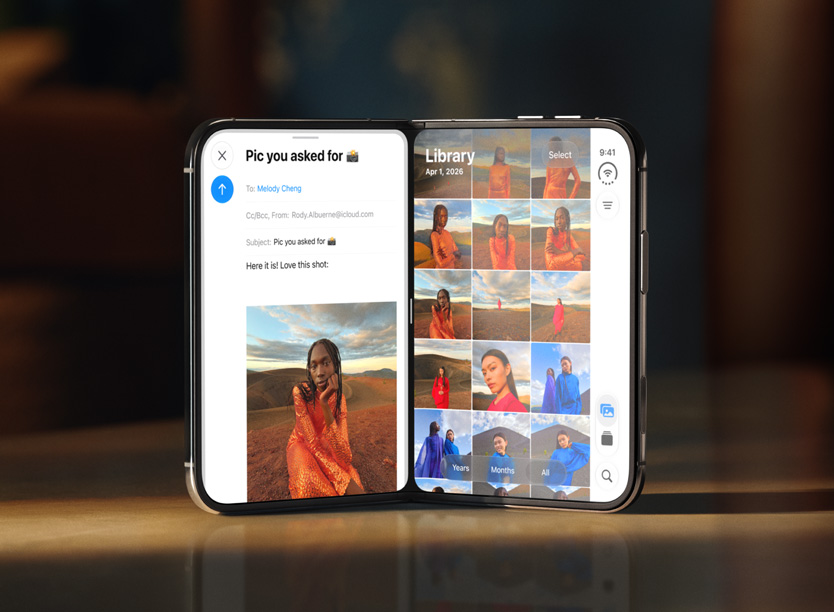
The iPhone Duo is Apple’s first foldable iPhone, and it opens like a small book into a 7.6-inch screen. Closed, you hold a 5.4-inch outer display that fits in a pocket. Both screens share the same aspect ratio, so a video or app scales cleanly as you move between them. Stand it up on a table, and it works hands-free for calls or video. Apple showed the phone on September 9 at its Surprise and Shine event in Cupertino, where new chief executive John Ternus led his first keynote. He said rival foldables often feel like two phones stuck together. The Duo tries to feel like one device that changes size when you need it.

What the screens and camera can do

Open the Duo and the inner display runs 50 percent larger than the iPhone 18 Pro Max. A custom nano-texture finish cuts glare and hides the crease, the seam that has annoyed foldable owners for years. Peak brightness reaches 3000 nits, so the screen stays readable outdoors. Inside, an under-display FaceTime camera keeps the view whole, with no notch breaking the screen. The rear camera leans on a 48MP Dual Fusion system with a main and an ultra-wide lens. There is no telephoto, a trade Apple made to save room in the thin body. Smart Take reads the scene and snaps the photo when everyone poses, so you can stand in the shot instead of behind it. You can also shoot 48MP photos and 4K video at up to 120 frames per second.

iPhone Duo specs that matter for daily use

The iPhone Duo specs point to a phone built for long, heavy days. Inside sits the A20 Pro chip with a vapor chamber that spreads heat during games and video edits. Apple pairs it with a dual-battery design that fits more cells into the frame. You get up to 31 hours of video on the inner screen and up to 44 hours on the outer one. Plug it in, and it reaches 50 percent in about 20 minutes. A Grade 5 titanium frame and a precision hinge give the body its strength, and Touch ID moves to the side button in place of Face ID.

iPhone Duo prices are ridiculously high

Here is the part your wallet cares about. The iPhone Duo price starts at $1,999 for 256GB in the United States, which makes it the most expensive iPhone in the lineup. In the UAE, iPhone Duo starts at AED 8,499 for the 256 GB, AED 9,349 for the 512 GB, AED 11,049 for the 1 TB, and the laptop-price level of AED 13,599 for the 2 TB. Preorders open October 16, and the iPhone Duo release date lands on October 23. Apple plans a first wave across more than 70 countries, then adds 28 more on October 30. For comparison, Samsung’s Galaxy Z Fold 8 starts near $1,899.

Why the foldable iPhone arrives only now

Apple waited years while Samsung and others sold foldables. Now the foldable iPhone brings iOS 27 features built for two screens, like Split View and apps that respond to how you hold the phone. eSIM handles the connection, since there is no SIM tray anywhere. Apple Pencil support arrives later in 2026. That gap of a few weeks after the iPhone 18 Pro points to a slower, careful rollout for a harder build. If you have wanted a phone that turns into a small tablet without feeling clumsy, this is Apple’s answer, and you can hold one this month.

Work from Park initiative

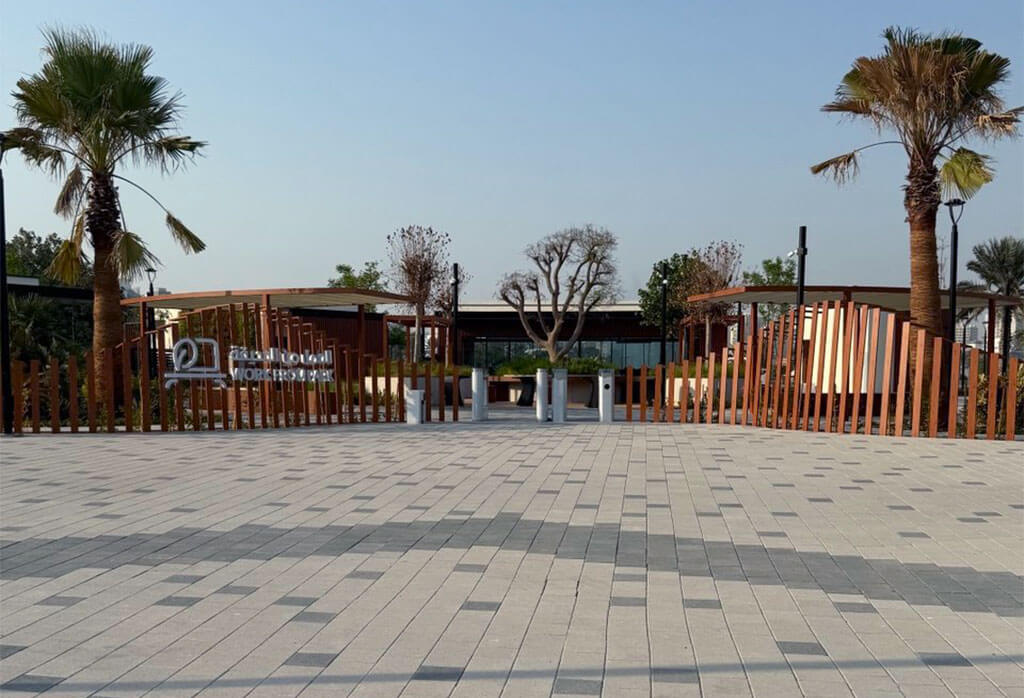
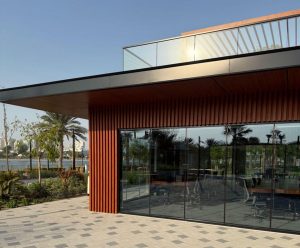
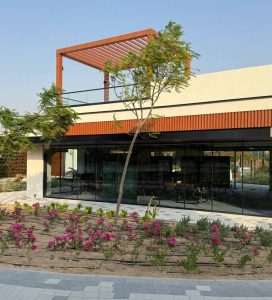
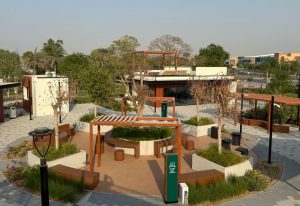
The Work from Park initiative puts bookable workspaces inside Dubai’s public parks, starting with Al Barsha Pond Park. Dubai Municipality announced the programme on 19 April 2026 and said it had signed two memoranda of cooperation to deliver it. One went to Group AMANA, which builds the units, and the other to Letswork LLC, which operates them.

Entrepreneurs, freelancers, small and medium-sized enterprises

The structure is a public-private partnership. Dubai Municipality provides the park and the mandate. Private firms handle design, construction, and daily operation. The municipality said the model gives the private sector a route into public facilities while each site keeps its role as a park.

Target users are entrepreneurs, freelancers, small and medium-sized enterprises, and anyone doing remote work in Dubai. Content creators get dedicated production rooms, which the municipality said are meant to strengthen their place in the emirate’s creative economy.

Letswork runs the booking side. Users reserve space through the Letswork app, check in on arrival and use one membership across the company’s network of venues. The offer covers desks by the hour, event space, podcast recording and production rooms for creators. Letswork will also run training programmes and group sessions for creative talent and new businesses.

How the Work from Park initiative is built

Group AMANA delivers the first site through its DuBox unit. DuBox builds the workspace modules in a factory, then transports them to the park and assembles them on site. The municipality said this shortens the build schedule, reduces waste and lowers the environmental footprint compared with conventional construction. Units can be reconfigured later as demand shifts.

The Al Barsha Pond Park site was scheduled to open in May 2026. Letswork now lists it as a bookable venue on its platform. The listing describes modular pods with high-speed Wi-Fi, power and climate-controlled seating, plus podcast studios and creative production rooms. Members can book day passes, meeting rooms and private offices under one Letswork membership.

Dubai Municipality said the Work from Park initiative would add more sites across the emirate later in 2026. Locations and opening dates for those have yet to be confirmed.

Bader Anwahi, CEO of the Public Facilities Agency at Dubai Municipality, said the partnerships combine advanced construction methods with private sector expertise to produce public infrastructure “that is flexible, sustainable, and aligned with modern lifestyles and work patterns.”

Richard Abboud, CEO of Group AMANA, said modular construction lets the company build efficient, adaptable units at speed.

Why the Work from Park initiative fits Dubai’s planning goals

The programme sits under three policy frameworks. Dubai’s 2040 Parks and Greenery Strategy targets 95 million park visits a year by 2040. Land use falls under the Dubai Urban Plan 2040. Economic targets through 2033 come from the Dubai Economic Agenda D33.

Omar AlMheiri, co-founder of Letswork, said the partnership would add dedicated creative spaces and podcast studios. He described it as a step toward changing where and how people in the UAE do flexible work.

Dubai Municipality describes the Work from Park initiative as the first of its kind. Existing Dubai coworking spaces operate from office towers, hotels and retail sites. This programme moves the format onto municipal parkland, with the municipality as host and a private platform as operator.

Outdoor workspaces in Dubai face one obvious constraint: summer heat. The Letswork listing addresses this with climate-controlled seating inside the pods. Demand across a full year of operation will show whether the format holds. The second site, once announced, will be the next signal of how fast the municipality intends to scale.

Share this post

on your favourite social platforms

or copy the link