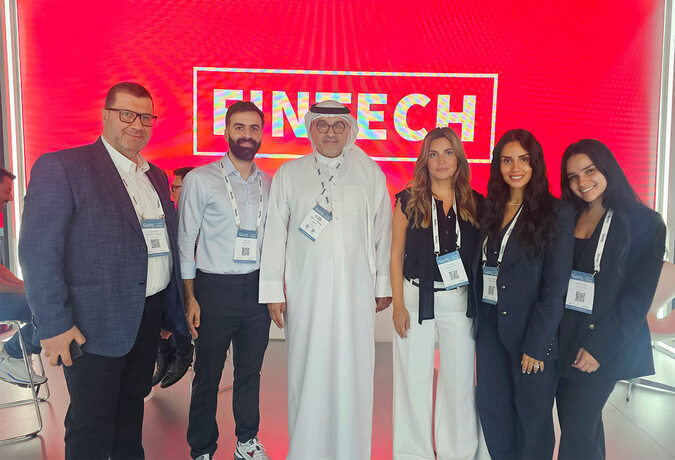
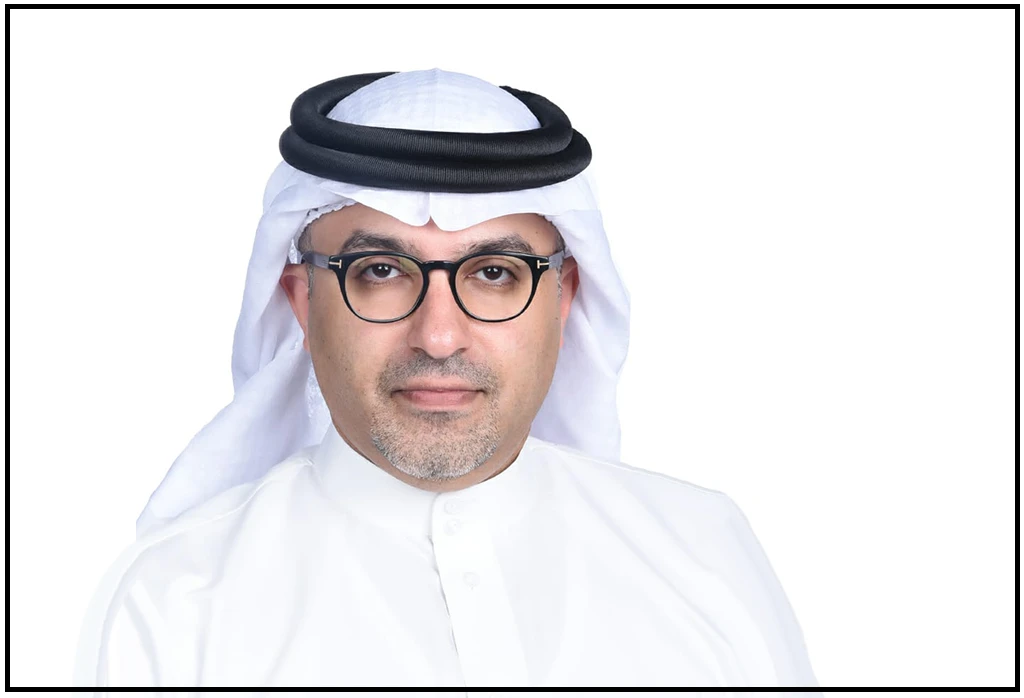


ICN Media had the opportunity to experience building the momentum of its opening day, the summit’s concluding sessions reinforced Dubai’s position as a global financial hub, bringing together distinguished financial executives, institutional investors and emerging fintech enterprises.
Building on the strategic discussions and international engagement generated during its opening day, the Dubai FinTech Summit 2026 concluded its second day at Madinat Jumeirah, further reinforcing Dubai’s growing influence in shaping the future of global finance, financial technology and investment innovation.
Organised by the Dubai International Financial Centre (DIFC), the fourth edition of the summit formed a central component of Dubai Future Finance Week, held under the theme “Finance Reimagined: Where Innovation Meets Policy and Purpose.”
The concluding day extended the summit’s emphasis on financial transformation, connecting senior banking executives, regulators, institutional investors, technology entrepreneurs and financial innovators within an increasingly integrated international financial ecosystem.
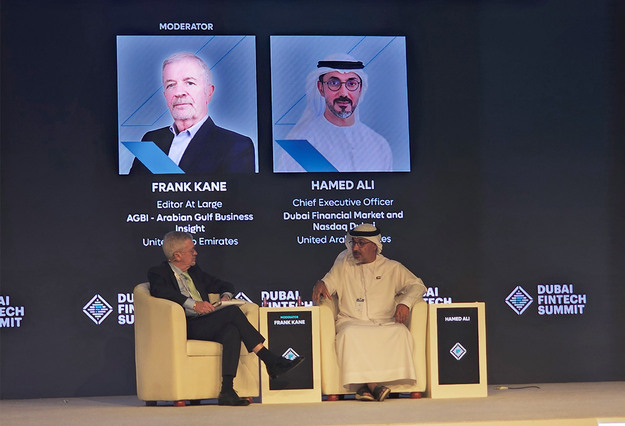
Distinguished Financial Leadership and Strategic Discussions
The summit’s international speaker lineup reflected the calibre of institutions participating in the 2026 edition.
Among its prominent headline figures were Noel Quinn, Chairman of Julius Baer Group; Jenny Johnson, President and CEO of Franklin Templeton; Kentaro Okuda, President and CEO of Nomura Holdings; and Nicolas Moreau, CEO of HSBC Asset Management.
Their inclusion in the wider summit programme demonstrated its ability to attract senior leadership from global banking, wealth management, asset management and international capital markets.
The second day’s programme continued the broader dialogue on technological transformation and the evolving architecture of financial services.
The summit’s discussion themes included artificial intelligence in financial decision-making, institutional adoption of digital assets, tokenisation, cross-border payment infrastructure, financial inclusion, wealth management innovation and the changing relationship between established financial institutions and emerging technology enterprises.
These themes are increasingly significant as financial institutions seek to improve capital allocation efficiency, reduce transaction costs, strengthen regulatory compliance and develop resilient operating models amid global economic uncertainty.
The combination of executive discussions, innovation presentations, and investor engagement reinforced the importance of integrating financial innovation with responsible governance and commercially sustainable business models.


FinTech Startups and Entrepreneurs: From Innovation to Economic Value
One of the most valuable dimensions of the concluding day was the continued emphasis on fintech startups and emerging entrepreneurs, whose participation demonstrated the diversity of technologies reshaping financial services.
The FinTech World Cup Grand Finale, scheduled for Day 2, provided a particularly important platform for emerging companies to present innovative financial solutions, engage international investors and pursue opportunities for funding, mentorship and commercial expansion.
The entrepreneurial ecosystem represented at the summit encompassed digital payments, remittances, financial inclusion, regulatory technology, blockchain infrastructure, artificial intelligence and next-generation financial platforms.
Of particular interest was Whish Money, a fintech company specialising in digital payments and money-transfer solutions, which participated in the summit’s broader ecosystem as a sponsor.
Whish Money illustrates the increasing economic relevance of technology-enabled payment platforms, particularly their potential to improve financial accessibility, strengthen cross-border connectivity and support the digitalisation of commercial transactions.
From my perspective as an economic consultant and business journalist, the diversity of participating fintech enterprises demonstrated that the true economic value of financial innovation should be measured not simply through technological adoption or startup valuations, but through improvements in financial productivity, transaction efficiency, SME competitiveness and access to capital.
Equally important is the ability of fintech entrepreneurs to develop scalable business models through strategic partnerships with banks, venture capital investors, regulatory institutions and international financial networks.

Dubai’s Expanding Financial Ecosystem and Economic Competitiveness
The summit’s second day also reflected the broader momentum of Dubai’s financial ecosystem.
According to DIFC’s published figures, the financial centre hosts 10,018 active companies, including 1,134 regulated firms and 1,933 artificial intelligence, fintech and innovation companies, highlighting the scale of its expanding institutional and technological infrastructure.
This ecosystem supports the objectives of the Dubai Economic Agenda D33 by encouraging international investment, strengthening financial-sector competitiveness and creating opportunities for knowledge-intensive enterprises.
The summit’s ability to connect global financial institutions with emerging entrepreneurs further strengthens Dubai’s position as a strategic destination for financial innovation, venture investment and international business expansion.
Looking Ahead to Dubai FinTech Summit 2027
The conclusion of Dubai FinTech Summit 2026 reaffirmed the importance of collaboration between financial institutions, policymakers, investors and entrepreneurs in building a more innovative, inclusive and resilient global financial system.
I extend my sincere appreciation to DIFC, the summit organisers, distinguished speakers, participating entrepreneurs, and sponsors for delivering an exceptional international financial gathering.
I wish the Dubai FinTech Summit continued success in its 2027 edition, with an even greater contribution to international investment connectivity, financial innovation, entrepreneurial development, and the UAE’s long-term economic transformation.
As Dubai advances its global financial ambitions, the summit stands as an important platform for translating technological innovation into productive capital, sustainable enterprise growth, and measurable economic prosperity.