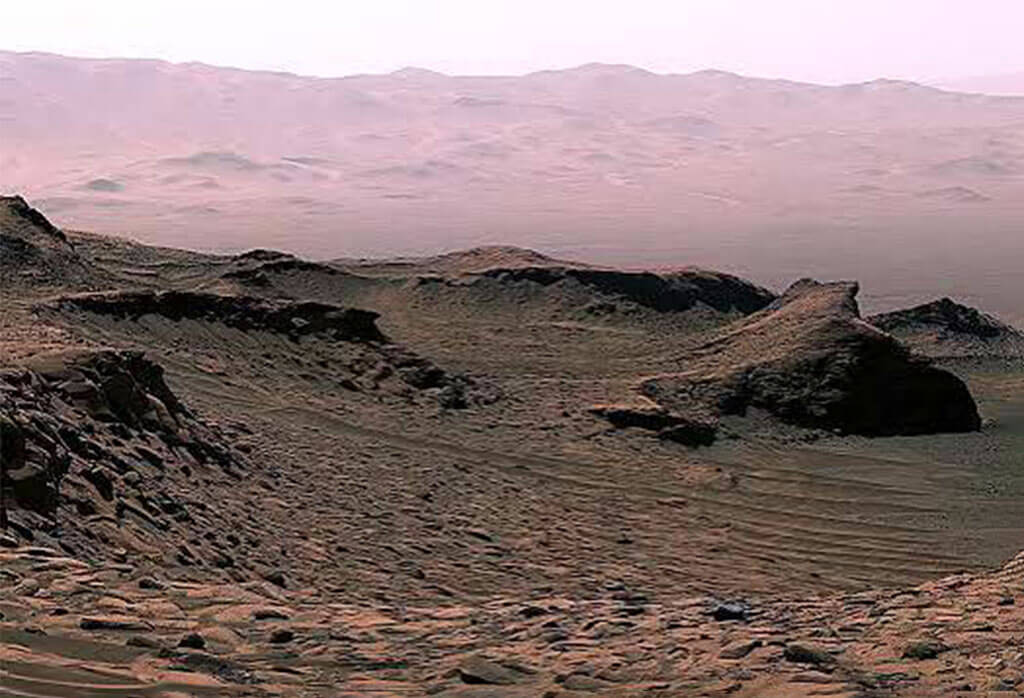



New Mars images by NASA show the Curiosity rover reaching 5,000 Martian days on the Red Planet. The count, known as sols, passed 5,000 on August 29, 2026. That total is more than 5,137 Earth days, because a day on Mars runs about 24.6 hours. Curiosity landed in August 2012. The NASA Curiosity rover has now worked on Mars for more than 14 years. Its original mission was planned for a much shorter run.
What the new image shows
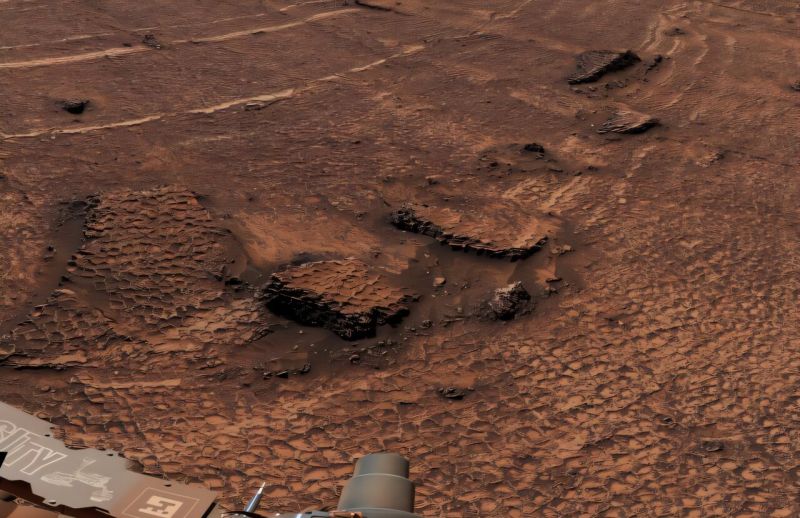
Curiosity’s Right Navigation Camera, or Navcam, captured the featured frame on August 28, 2026, two sols before the milestone. The image shows a long, sweeping sand ripple named Chocolatal. Its crest sits in sharp light against the darker ground. NASA scientists want to know whether Chocolatal counts as a transverse aeolian ridge, or TAR. A TAR is a wind-formed ridge of sand, smaller than a dune. These ridges appear across the Martian surface. Scientists track them to map how wind works on Mars. The new Mars images by NASA give the team a fresh view of the ripple.
The rover did more than photograph the ripple. Curiosity drove one wheel into Chocolatal and cut a small trench. That trench lets the rover’s instruments study the material below the surface. The trench is small, but it exposes sand that the cameras could not see from the surface. Scientists can compare the buried sand with the crest on top. Close study like this helps show how wind moves grains on Mars today.
New Mars images by NASA map the climb
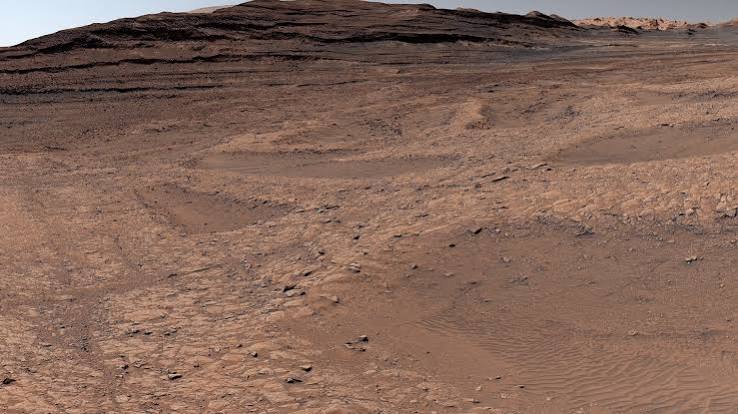
The milestone also tracks distance climbed. Curiosity has risen more than 1,000 meters above its first position on the floor of Gale Crater. Mount Sharp rises about 5 kilometers above the floor of Gale Crater. For years, the rover has worked up the slopes of Mount Sharp, the mountain at the center of the crater. New Mars images by NASA record each step of that ascent. The layers on Mount Sharp hold clues about the planet’s past, and lower layers formed in wetter conditions long ago. Passing 1,000 meters and 5,000 sols came within days of each other. The two milestones together show how far Curiosity has traveled since 2012.
The first mission plan covered about two Earth years. Curiosity has now passed that point many times over. The rover runs on nuclear power, which lets it work through long Martian seasons. It drives short distances, studies rocks and sand, and drills for samples along the way. Each stop adds data about how Mars changed over billions of years.
Three cameras on one ripple
Navcam took the milestone photo, but it is not the only camera at work. NASA is using Mastcam to build high-resolution mosaics of Chocolatal and the ripples nearby. The Mars Hand Lens Imager, called MAHLI, is taking a much closer look at the material. These Mars rover images will help scientists see layering and changes in grain size within the ripple. Grain size and layering can point to how strong the wind was and which way it blew. Curiosity sends images like this one back to Earth on a regular basis. The new Mars images by NASA add detail to a long record of the Red Planet.