 Bitcoin
  Ethereum
  Tether
  BNB
BNB  Solana
  XRP
XRP  USDC
USDC  Lido Staked Ether
  Cardano
  Avalanche


Key Points:
-
Bitget Wallet adds multichain gas abstraction for smoother transactions.
-
Users can pay gas fees with stablecoins or BGB across multiple networks.
-
Supports EVM chains, Solana, and TRON for wider usability.
-
Aims to make self-custody wallets easier for everyday crypto investors.
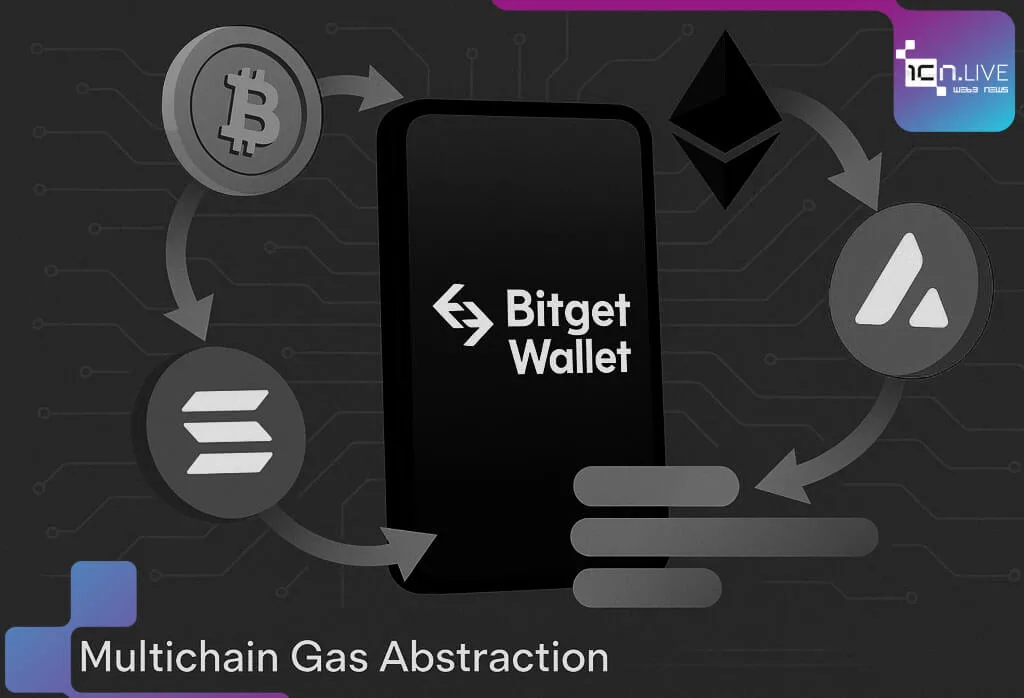
Bitget Wallet’s GetGas feature is transforming how crypto investors handle transaction fees across multiple blockchains.
The new update introduces gas abstraction, allowing users to pay gas fees using stablecoins like USDT or USDC, or Bitget’s native BGB token. This move brings convenience and simplicity to users managing assets across several chains.
For many crypto users, gas fees have always been a pain point. Managing native tokens across networks such as Ethereum or BNB Chain can be confusing. Bitget Wallet’s GetGas feature now removes that friction by letting users pay directly with stablecoins or BGB, creating a smoother, unified experience.
Simplified gas abstraction across chains
The new gas abstraction system supports major EVM chains like Ethereum, BNB Chain, Polygon, Base, Arbitrum, and Optimism. It also extends to Solana and TRON, which are non-EVM networks. This broad coverage makes Bitget Wallet one of the few crypto wallets offering such extensive interoperability.
According to the company, the feature builds upon EIP-7702, which enables gas fee payments with ERC-20 tokens instead of native tokens like ETH. The update ensures users can send transactions without holding separate gas tokens for each network, making cross-chain activity far easier to manage.
As Chief Marketing Officer, Jamie Elkaleh explained, “Abstracting gas payments is a foundational step toward making self-custody usable at scale. It removes one of the most persistent frictions in Web3 — the need to manage native gas tokens across fragmented ecosystems.”
This statement captures Bitget Wallet’s goal: making crypto interaction feel as simple as using a traditional payment app.
Stablecoin payments bring convenience
One of the most practical elements of this update is the inclusion of stablecoin payments. Many users prefer to hold USDT or USDC for stability. By allowing gas fees to be paid in these stablecoins, Bitget Wallet creates a predictable experience even when token prices fluctuate.
Stablecoin payments also make gas management simpler for newcomers. Instead of needing to swap tokens for each network’s gas currency, users can rely on familiar assets already in their wallet. The system automatically deducts the required fees from the chosen token balance during the transaction.
From my standpoint, this approach makes crypto wallets more approachable for everyday users. It bridges the gap between Web3 complexity and user-friendly financial tools.
ANOTHER MUST-WATCH ON ICN.LIVE:
A strong self-custody wallet foundation
Bitget Wallet is known as a self-custody wallet, meaning users keep full control of their private keys. This gives investors ownership over their digital assets, unlike centralized exchanges. With gas abstraction now part of its toolkit, the wallet becomes even more appealing for users who want independence without technical hassle.
The GetGas feature also reflects Bitget Wallet’s broader push for multi-chain flexibility. Currently, the wallet supports operations across 24 blockchains. The previous version of GetGas allowed users to pre-fund gas fees with various tokens across 14 networks. Now, the new system takes this one step further by handling fees automatically in real time.
Building toward wider network support
The company has plans to expand gas abstraction to even more networks, including Plasma, Sei, and Morph. Additionally, Bitget Wallet intends to bring this functionality to cross-chain transactions, which would eliminate the last major barrier to seamless Web3 interaction.
Each technical enhancement strengthens Bitget Wallet’s position as a leader in cross-chain functionality. It’s not only about supporting more blockchains but about improving usability across them.
By connecting EVM chains with networks like Solana and TRON, Bitget Wallet positions itself as a bridge between ecosystems that were once isolated. This interoperability could encourage more developers to build applications that rely on easy gas management, helping the crypto wallet ecosystem evolve faster.
ANOTHER MUST-READ ON ICN.LIVE:
$110 million financing deal on Berachain signals growing confidence in DeFi innovation
Why this innovation matters
For many crypto investors, gas abstraction is more than a convenience—it’s a key to mass adoption. When users can perform transactions without worrying about which token to use for gas, Web3 becomes accessible to a wider audience.
Bitget Wallet’s approach removes the need to maintain balances of multiple native tokens. This not only saves time but also reduces the chances of transaction errors. For businesses and developers, it also means fewer support issues related to failed transactions caused by missing gas tokens.
The crypto wallet market is growing rapidly, and usability improvements like these could decide which platforms dominate in the next few years. Bitget Wallet’s GetGas feature is a practical example of innovation driven by user needs rather than hype.
Bitget Wallet’s GetGas feature sets a new usability standard
Gas abstraction might sound technical, but its impact is simple: it makes blockchain transactions easier. By allowing users to pay fees in familiar stablecoins or BGB, Bitget Wallet streamlines the entire process. With strong support for EVM chains and expansion into Solana and TRON, the platform shows commitment to real-world usability.
From my analysis, Bitget Wallet’s GetGas feature is not only a smart update—it’s a sign that the Web3 experience is maturing. For users seeking a practical, self-custody wallet that simplifies everyday crypto transactions, this is a major step forward.